The Science of High Voltage Battery Replacement in Las Vegas
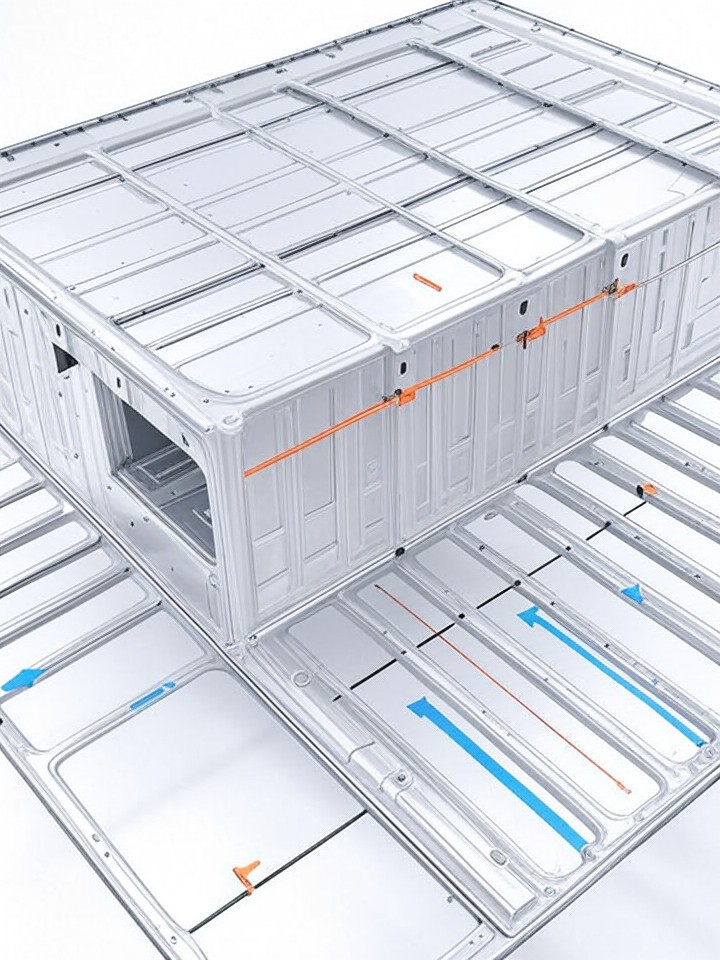
The high voltage battery pack in your Rivian R1S is the heart of its electric powertrain, storing and delivering energy to drive the vehicle. In Las Vegas’s extreme heat, often exceeding 104°F for over 200 sunny days a year, these batteries face accelerated wear due to thermal stress. This can degrade the battery cells faster than in cooler climates, reducing range and efficiency.
A replacement isn’t just swapping out a part; it involves recalibrating the Battery Management System (BMS) to ensure optimal performance. Heat can also affect related components like the onboard charger, which converts AC to DC for charging, making professional expertise critical. Our team understands these challenges unique to Nevada’s desert environment.
Beyond climate, local driving conditions like stop-and-go traffic on the Las Vegas Strip strain the battery with frequent power demands. Ignoring early signs of failure risks complete power loss. We prioritize precision to keep your Rivian running smoothly in these harsh conditions.
Common Symptoms of Failure
Recognizing the signs of a failing high voltage battery pack can save you from costly breakdowns. Here are key symptoms to watch for in your Rivian R1S:
- Reduced Range: Your vehicle can’t travel as far on a full charge, often dropping below expected mileage.
- Power Loss: Acceleration feels sluggish, especially when climbing hills like those near Red Rock Canyon.
- Warning Messages: Dashboard alerts about battery health or charging errors pop up frequently.
- Unusual Noises: Clicking or humming sounds from the battery area during charging or driving.
- Charging Issues: Slow or interrupted charging, often linked to onboard charger failure.
These symptoms often worsen in Las Vegas heat, accelerating battery degradation. Don’t ignore them—early diagnosis prevents total failure.
Diagnostic Steps: DIY vs Professional
Diagnosing a high voltage battery issue in a Rivian R1S requires caution due to the extreme electrical risks. DIY checks might include monitoring range or noting dashboard warnings, but handling high voltage systems without training is dangerous. The NHTSA warns against untrained repairs on EV batteries due to shock hazards.
Professional diagnostics use specialized tools to read error codes from the Battery Management System. In Las Vegas, our techs also test for heat-related degradation, a common issue here. This ensures accurate identification of battery pack or related component failures.
While DIY might seem cost-effective, one wrong move can damage the dc-dc converter, which powers the 12v battery and electronics, costing thousands. Trust certified technicians for safe, reliable results. We’ve seen many botched DIY attempts in Summerlin garages—don’t risk it.
OEM vs Aftermarket Parts for Rivian R1S
When replacing a high voltage battery pack, choosing between OEM (Original Equipment Manufacturer) and aftermarket parts is crucial. OEM batteries for the Rivian R1S are designed to exact specifications, ensuring compatibility with the vehicle’s BMS and onboard charger. They often come with warranties directly from Rivian.
Aftermarket options might be cheaper upfront, but they can lack the same quality assurance and may not handle Las Vegas’s extreme conditions as well. Poor integration risks damaging the dc-dc converter or reducing range. We’ve seen aftermarket failures in Henderson EVs—stick with OEM for reliability.
Cost is a factor, with OEM parts often running higher, but the long-term value outweighs initial savings. Check Rivian’s official support at Rivian Support for warranty details. Our shop prioritizes OEM to guarantee performance.
Future Prevention Tips
Preventing high voltage battery issues starts with smart habits, especially in Las Vegas’s brutal climate. Park in shaded areas or garages to reduce heat exposure, as 104°F days can cook internal components. This simple step can extend battery life significantly.
Avoid frequent fast charging, which generates excess heat and stresses the battery pack. Use Level 2 chargers when possible, and keep charge levels between 20-80% to minimize wear. This protects the onboard charger from overworking.
Schedule regular battery health checks, especially before long drives on I-15 or trips to Red Rock Canyon. Monitor the 12v battery too, as its failure can strain the system. Our Las Vegas shop offers preventative diagnostics to catch issues early.
Finally, stay updated on Rivian software updates that optimize battery management. These updates can improve efficiency and alert you to potential problems. Proactive care keeps your R1S ready for Nevada’s toughest roads.