The Science of Drive Unit and Electric Motor Failure in Phoenix
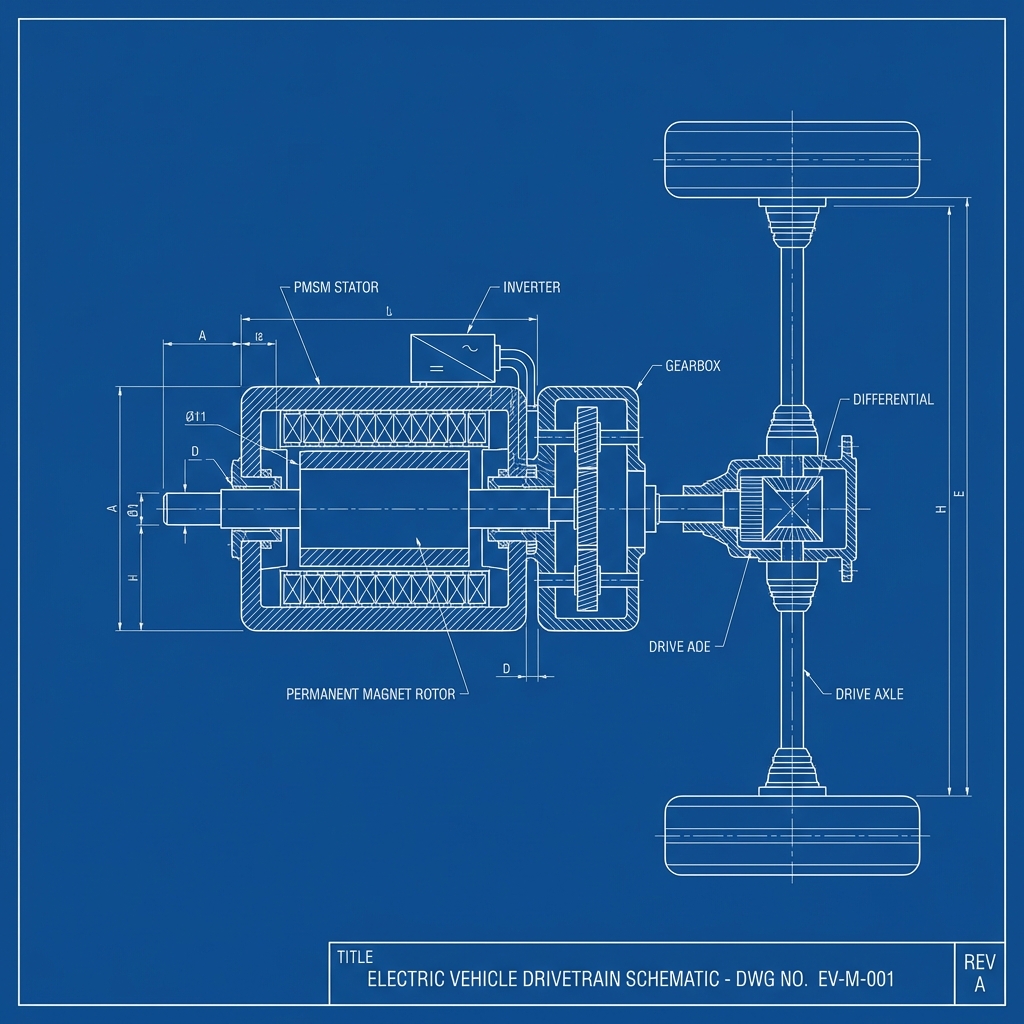
The drive unit in a Tesla Model 3 is the heart of its propulsion system, combining the electric motor, inverter, and gearbox to deliver power to the wheels. In Phoenix’s extreme 104°F heat, this system faces intense stress as thermal management struggles to keep components cool. Overheating can degrade motor windings and cause drive unit failure, leading to costly repairs.
Electric motors rely on precise electromagnetic interactions to function, but excessive heat and dust from Phoenix’s desert environment can infiltrate seals, causing friction and wear. This is especially true during the city’s 211 sunny days per year, when cooling systems are pushed to their limits. Early signs of trouble often go unnoticed until major damage occurs.
Local driving conditions, like stop-and-go traffic in Scottsdale, exacerbate the issue by forcing constant acceleration and deceleration. This puts additional strain on the drive unit’s inverter, which converts battery power to motor energy. Ignoring these stressors can lead to a full breakdown, stranding you on busy highways like I-10.
Common Symptoms of Failure
Recognizing the signs of drive unit or electric motor failure in your Tesla Model 3 can save you from expensive repairs. Here are key symptoms to watch for in Phoenix’s harsh climate:
- EV Motor Noise: A high-pitched whine or grinding sound during acceleration often signals internal wear in the motor or gearbox.
- Power Loss: Noticeable reduction in acceleration or sluggish response, especially on inclines like South Mountain.
- Error Messages: Dashboard alerts like 'Power Reduced' or 'Unable to Drive' indicating drive unit faults.
- Vibrations: Unusual shaking at high speeds, pointing to rotor misalignment or bearing failure.
These symptoms often worsen in Phoenix’s heat, as thermal stress accelerates component degradation. Don’t ignore these warning signs; a quick diagnostic can prevent a full failure.
Diagnostic Steps: DIY vs Professional
Diagnosing drive unit issues in a Tesla Model 3 starts with checking for error codes using an OBD-II scanner compatible with electric vehicles. DIY enthusiasts in Phoenix can download Tesla-specific apps to read basic faults, but complex issues often require deeper analysis.
Professional diagnostics, priced at $130–$170 per hour in Phoenix, use specialized tools to assess the drive unit’s inverter and motor health. This ensures accurate identification of problems like coolant leaks or stator damage, which DIY methods might miss.
While DIY can save initial costs, misdiagnosis risks further damage. For safety, especially given Phoenix’s busy roads, trust a certified technician for precise repairs and peace of mind.
OEM vs Aftermarket Parts for Tesla Model 3
When replacing a drive unit or electric motor in Phoenix, choosing between OEM (Original Equipment Manufacturer) and aftermarket parts is critical. OEM parts, direct from Tesla, guarantee compatibility and often come with a warranty, but cost 30-50% more than alternatives.
Aftermarket parts can be cheaper, but quality varies, and improper fitment might void Tesla’s warranty. In Phoenix, where high demand in areas like Paradise Valley drives up costs, OEM is often the safer long-term investment.
Our shop prioritizes OEM components for drive unit replacements to ensure reliability. Given the extreme local climate, cutting corners on parts can lead to repeat failures.
Future Prevention Tips
Preventing drive unit and electric motor failure in Phoenix starts with regular maintenance. Schedule cooling system checks every 12 months to ensure the thermal management system handles 104°F heat without strain.
Avoid aggressive driving on steep inclines like South Mountain, as it overworks the motor. Instead, use regenerative braking to reduce stress on the drive unit during descents.
Finally, park in shaded areas or garages to minimize heat exposure during Phoenix’s 211 sunny days. Small habits can extend the life of your Tesla Model 3’s critical components and save thousands in repairs. For safety concerns, always refer to official resources like NHTSA for recall and risk updates.