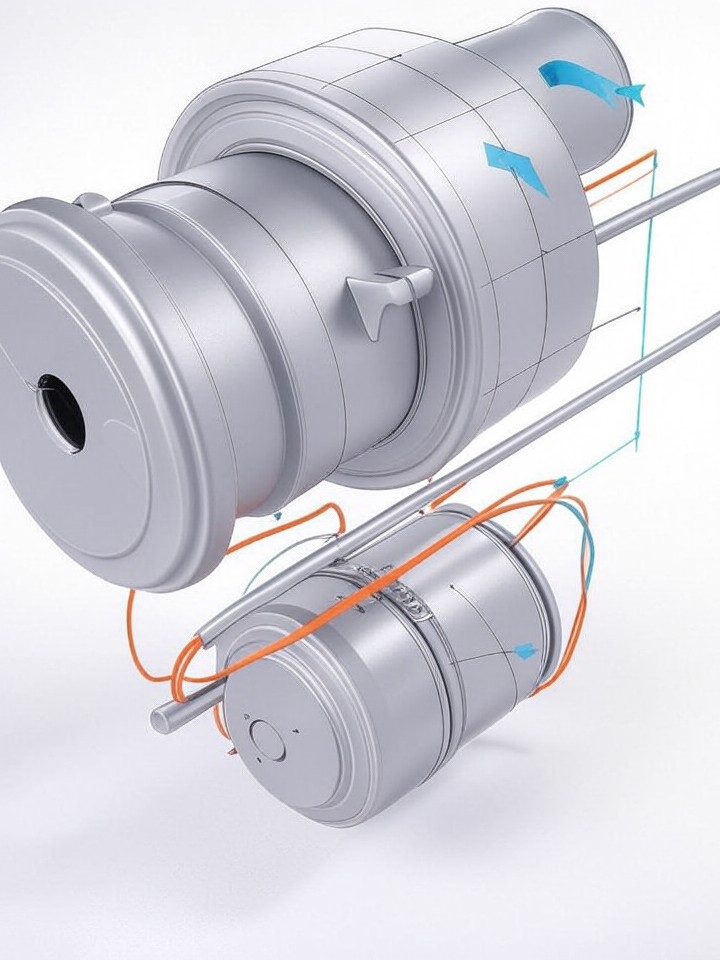
The Science of Air Suspension Compressor Burnout in Los Angeles
The air suspension system in a Tesla Model S is a marvel of engineering, designed to adjust ride height for optimal comfort and efficiency. However, the air suspension compressor—the heart of this system—can burn out under stress. In Los Angeles, with its hot 90°F weather and 284 sunny days annually, overheating is a real risk.
This compressor pumps air into the suspension struts to maintain balance. Constant strain from potholed streets in areas like Downtown LA or Hollywood causes wear. When it fails, you’re left with an uneven ride and potential safety hazards.
Burnout often stems from overworking due to leaks or blockages in air lines. The high temperatures in LA exacerbate this, drying out seals and increasing friction. Addressing these issues early can prevent a full compressor replacement costing thousands.
Common Symptoms of Failure
Recognizing the signs of air suspension compressor burnout can save you from bigger headaches. If your Tesla Model S isn’t sitting level, that’s a major warning sign. You might notice the front or rear sagging after parking.
Listen for unusual noises—a loud humming or grinding from the compressor area near the front axle is a giveaway. Other symptoms include:
- Slow ride height adjustment when starting the car or changing settings.
- Hissing sounds indicating air leaks near the compressor or struts.
- Dashboard errors related to suspension system faults.
- Excessive compressor cycling as it struggles to maintain pressure.
These issues worsen in LA’s traffic, especially on bumpy roads. Don’t ignore them—small problems turn into major repair bills fast.
Diagnostic Steps: DIY vs Professional
Diagnosing air suspension issues in a Tesla Model S starts with basic checks. At home, inspect for visible sagging or listen for odd compressor noises. However, DIY diagnostics are limited without specialized tools.
A professional in Los Angeles uses Tesla-specific software to read error codes from the suspension module. They’ll perform pressure tests to confirm compressor burnout—something a home mechanic can’t replicate.
DIY might save money initially, but misdiagnosis risks costly mistakes. With LA labor rates at $180–$240 per hour, it’s worth investing in a certified technician for accurate results.
OEM vs Aftermarket Parts for Tesla Model S
When replacing an air suspension compressor, you’ll face a choice: OEM (original equipment manufacturer) or aftermarket parts. OEM parts, direct from Tesla, guarantee compatibility but cost more—often $1,200 or higher.
Aftermarket options are cheaper, sometimes half the price, but quality varies. Poorly made compressors can fail prematurely, leaving you with another repair bill in Los Angeles’s harsh driving conditions.
For safety, we recommend OEM, especially given Tesla’s strict software integration. Check with a local shop in areas like Santa Monica for trusted suppliers and avoid subpar components.
Future Prevention Tips
Preventing air suspension compressor burnout starts with regular maintenance. Schedule annual inspections to catch leaks or worn seals before they strain the system. This is critical in LA’s hot climate.
Avoid overloading your Tesla Model S, as excess weight overworks the compressor. Stick to recommended load limits to reduce suspension stress on highways like the 405.
Finally, park in shaded areas during LA’s 90°F days to minimize heat damage to components. Small habits can extend the life of your air suspension system and save you thousands. For more on suspension safety, visit NHTSA.gov.