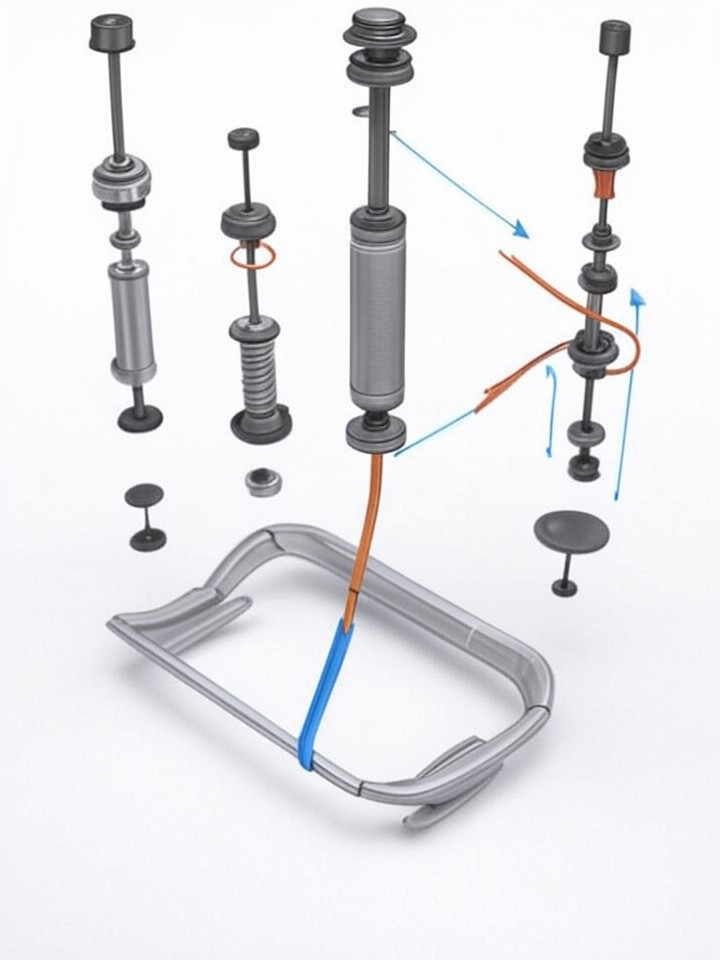
The Science of Air Suspension Strut Collapse in Los Angeles
The air suspension system in a Tesla Model S is a sophisticated setup designed to provide a smooth, adjustable ride. However, in Los Angeles, with its combination of uneven roads and high temperatures reaching 90°F, the air struts—rubber bladders filled with compressed air—can degrade faster. Constant exposure to heat and debris weakens the material, leading to leaks or total collapse.
Driving through Downtown LA or Santa Monica often means navigating potholes and rough patches that stress the air suspension compressor. Over time, this causes micro-tears in the strut, resulting in loss of pressure. When this happens, your Tesla can’t maintain proper ride height, risking safety.
Moreover, LA’s stop-and-go traffic on highways like the 405 forces the suspension to constantly adjust, wearing out components quicker than in milder climates. This environmental strain makes Tesla Air Suspension Failure a common issue for local drivers. Understanding this helps explain why timely repairs are non-negotiable.
Common Symptoms of Failure
Recognizing the signs of Air Suspension Strut Collapse early can save you thousands in repairs. Here are the most common symptoms Tesla Model S owners in LA should watch for:
- Uneven Ride Height: One corner of your Tesla sags lower than the others, especially noticeable after parking.
- Hissing Noises: A faint hiss near the wheels indicates air escaping from a damaged strut.
- Dashboard Alerts: Warnings like “Air Suspension Needs Service” may appear on your Tesla display.
- Rough Ride Quality: Bumps feel harsher as the strut fails to absorb shocks properly.
- Compressor Overworking: You might hear the air compressor running excessively as it tries to compensate for leaks.
If you’re hearing these unusual sounds or seeing error messages, don’t ignore them. LA’s roads can worsen these issues rapidly, turning a minor fix into a major expense.
Diagnostic Steps: DIY vs Professional
Diagnosing Tesla Air Suspension Failure starts with simple checks you can do at home. Look for visible sagging in one corner of your Model S or listen for hissing sounds near the wheels. These are telltale signs of a strut issue.
However, DIY diagnostics have limits. Without access to Tesla Toolbox software, you can’t read specific error codes from the air suspension module. Professional shops in LA use this tool to pinpoint whether it’s a leaking strut or a faulty compressor.
Attempting repairs yourself risks further damage to the electronic control unit or misalignment. Given LA labor rates of $180–$240/hr, professional diagnosis often saves money by preventing costly mistakes. For safety, consult experts familiar with Tesla systems.
OEM vs Aftermarket Parts for Tesla Model S
When replacing a collapsed strut, you’ll face a choice between OEM (Original Equipment Manufacturer) parts and aftermarket alternatives. OEM parts, sourced directly from Tesla, guarantee compatibility with your Model S’s air suspension system. They’re pricier but ensure factory-standard performance.
Aftermarket parts can be more affordable, often costing 20-30% less than OEM. However, quality varies, and some may not integrate well with Tesla’s proprietary software for ride height calibration. This can lead to recurring air suspension issues.
In Los Angeles, where road conditions are tough, we recommend OEM for longevity, especially if you frequently drive in areas like Beverly Hills with steep inclines. Always verify the part’s warranty and compatibility before deciding on Air Strut Replacement.
Future Prevention Tips
Preventing Tesla Air Suspension Failure starts with regular maintenance. Schedule annual inspections to check for early leaks or wear in the struts, especially given LA’s harsh driving conditions. Early detection can save you from a full collapse.
Avoid overloading your Tesla Model S, as excess weight strains the air suspension system. Be cautious on rough roads in areas like Downtown LA, where potholes are common. Reducing impact helps extend strut life.
Lastly, monitor temperature effects—LA’s 90°F heat can degrade rubber components faster. Park in shaded areas when possible to minimize heat stress on the struts. For added safety, review recalls or advisories on NHTSA.gov to stay updated on Tesla suspension concerns.