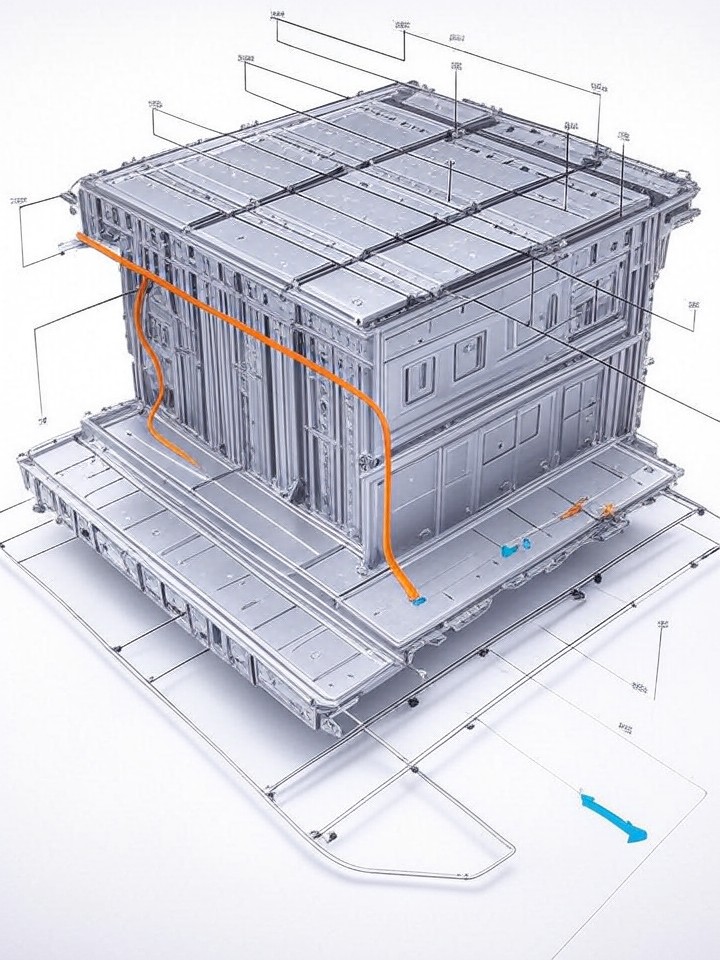
The Science of Battery Cell Module Repair in Los Angeles
Owning a Tesla Model S in Los Angeles means navigating a city with intense traffic and extreme heat, averaging 90°F on many days. This environment accelerates wear on your EV battery module, especially the individual cells that store and deliver power. A single defective cell can disrupt the entire system, causing power loss or reduced range.
Repairing a battery cell module involves isolating the faulty unit within the high-voltage battery pack. Our technicians in LA use advanced diagnostic tools to pinpoint issues without risking damage to other components. This precision is critical to avoid costly replacements down the line.
Common Symptoms of Failure
If your Tesla Model S is experiencing battery issues, you might notice specific warning signs. Here are the most common symptoms of a failing battery cell module:
- Reduced Range: Your vehicle struggles to achieve its usual mileage on a full charge.
- Warning Messages: Dashboard alerts like 'Battery Service Required' pop up frequently.
- Strange Noises: Clicking or humming sounds from the battery pack area during charging.
- Power Fluctuations: Sudden drops in acceleration or inconsistent power delivery.
These issues often stem from a defective cell unable to maintain voltage balance. Ignoring them can lead to complete failure, so don’t delay an inspection in Los Angeles.
Diagnostic Steps: DIY vs Professional
Diagnosing a battery cell module issue starts with observing symptoms like reduced range or warning lights on your Tesla Model S. While DIY enthusiasts might use a basic OBD-II scanner, these tools often miss critical high-voltage system errors. Professional diagnostics, on the other hand, access Tesla-specific software for accurate results.
In Los Angeles, our shop uses proprietary tools to analyze the Battery Management System (BMS). This ensures we identify the exact faulty module without guesswork. Attempting DIY repairs risks electrical hazards, so trust certified technicians for safety and precision.
Safety is paramount—working on high-voltage systems without proper training can be deadly. The NHTSA warns of severe risks with improper handling of EV batteries. Leave it to the pros to avoid injury or further damage.
OEM vs Aftermarket Parts for Tesla Model S
When replacing a defective battery cell module, you face a choice between OEM (Original Equipment Manufacturer) parts and aftermarket options. OEM parts, sourced directly from Tesla, guarantee compatibility with your Model S’s Battery Management System. However, they often come with a higher price tag.
Aftermarket parts can be more affordable but may lack the same quality assurance or longevity. In Los Angeles, where driving conditions test your vehicle daily, we recommend OEM for critical components like battery cells. This ensures reliability on busy roads like the 405 Freeway.
Our team sources parts through trusted channels, often directly via Tesla Support. This minimizes risks of system mismatches that could lead to future failures. Choose wisely to protect your investment.
Future Prevention Tips
Preventing battery cell module issues starts with proper care tailored to Los Angeles’s hot climate and traffic patterns. Avoid letting your Tesla Model S battery drop below 20% regularly, as deep discharges strain individual cells. Charge to 80-90% for daily use to extend lifespan.
Park in shaded areas or garages, especially in neighborhoods like Santa Monica, where summer heat can exceed 90°F. Extreme temperatures degrade battery chemistry over time, accelerating cell failure. A cooled environment helps maintain optimal performance.
Schedule regular battery health checks with a certified Tesla technician. We monitor voltage balance and thermal management to catch issues early. This proactive approach saves you from unexpected repair costs in a high-demand city like LA.