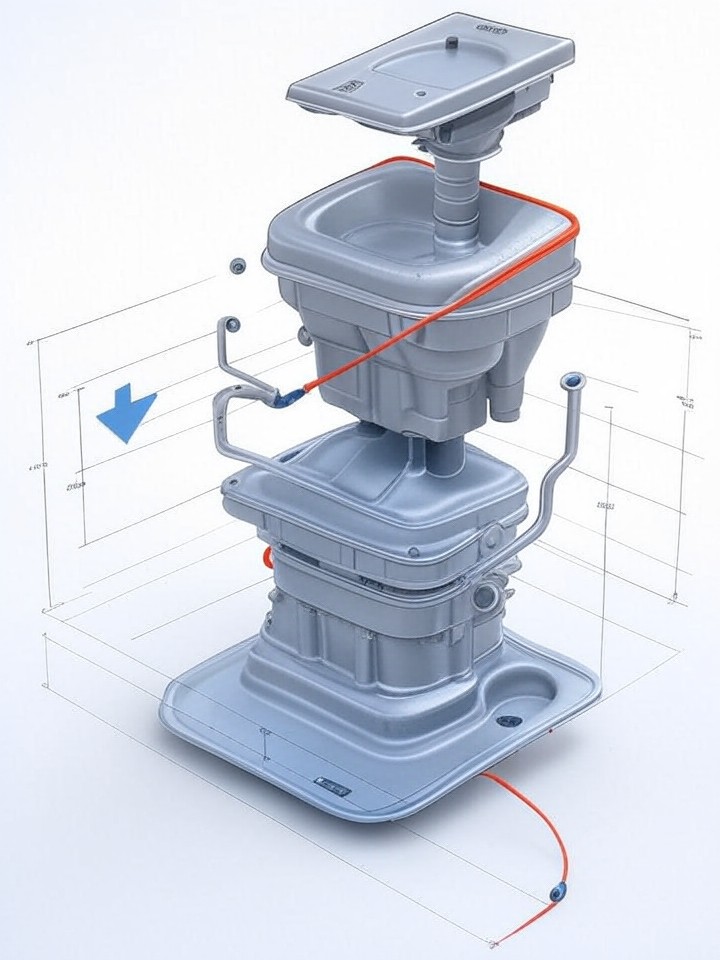
The Science of Coolant Pump Leaks in Los Angeles
Coolant pump leaks in a Tesla Model S are a serious concern, especially in Los Angeles’s extreme heat of 90°F for much of the year. The coolant pump is vital for regulating the temperature of your electric vehicle’s battery pack, preventing overheating during long drives. Without it, your Tesla’s performance and safety are at risk.
In LA, with 284 sunny days annually, the thermal stress on your vehicle’s systems is relentless. Coolant leaks often start small, seeping from worn seals or cracked components in the battery coolant pump. If ignored, they can lead to major failures costing thousands.
Neighborhoods like West Hollywood and Santa Monica see heavy Tesla usage, and stop-and-go traffic amplifies wear on cooling systems. A leaking pump struggles to maintain optimal battery temperatures, risking power loss. Act fast to avoid being stranded on a busy freeway.
Common Symptoms of Failure
Recognizing coolant pump issues early can save you from costly repairs. Here are key symptoms of failure to watch for in your Tesla Model S:
- Warning Lights: A ‘Thermal System Error’ or ‘Battery Overheating’ alert on your dashboard often signals a coolant issue.
- Unusual Noises: Listen for a high-pitched whine or gurgling near the battery pack, indicating a failing battery coolant pump.
- Visible Leaks: Check under your Tesla for puddles of green or pink fluid, a telltale sign of an EV coolant leak.
- Reduced Range: If your battery isn’t cooling properly, you may notice a sudden drop in driving range.
These signs are critical, especially in Los Angeles traffic where overheating risks are higher. Don’t ignore them—schedule a diagnostic to protect your investment.
Diagnostic Steps: DIY vs Professional
Diagnosing a coolant pump leak in a Tesla Model S requires precision. A DIY inspection might involve checking for fluid under the car or listening for odd sounds near the battery pack. However, Tesla’s complex systems often hide deeper issues.
Professional diagnostics use specialized Tesla software to read error codes from the thermal management system. In Los Angeles, our technicians also perform pressure tests to pinpoint EV coolant leaks that aren’t visible to the untrained eye.
DIY efforts risk missing critical damage to components like the onboard charger, which converts power for your Tesla, or the dc-dc converter, which supports the 12v battery. Trust a certified shop to avoid costly misdiagnoses—rates of $180–$240/hr in LA reflect this expertise.
OEM vs Aftermarket Parts for Tesla Model S
When repairing a coolant pump leak, choosing between OEM (Original Equipment Manufacturer) and aftermarket parts is critical. OEM parts are designed specifically for Tesla Model S, ensuring perfect compatibility with the battery cooling loop. They often come with a warranty but at a higher cost.
Aftermarket parts may be cheaper, but they risk poor fitment or reduced durability, especially under LA’s harsh conditions. A subpar pump could fail again, leading to another round of expensive repairs.
We recommend OEM for critical systems like the battery coolant pump. Safety is paramount, and cutting corners could jeopardize your Tesla’s performance. Check official Tesla support at tesla.com/support for part recommendations.
Future Prevention Tips
Preventing coolant pump leaks starts with regular maintenance of your Tesla Model S. Schedule annual coolant system checks to catch wear before it becomes a leak. Los Angeles’s heat accelerates degradation, so don’t skip this step.
Avoid overloading your Tesla with excessive high-speed driving or heavy loads on steep inclines like Angeles Crest Highway. This strains the thermal management system, increasing leak risks.
Use only Tesla-approved coolant to maintain system integrity. Substandard fluids can corrode seals, causing EV coolant leaks. For safety recalls or risks, refer to nhtsa.gov for updates on Tesla components.
Finally, park in shaded areas during LA’s scorching 90°F days to reduce thermal stress on your battery pack. Small habits can extend the life of your battery coolant pump and save you thousands in repairs.