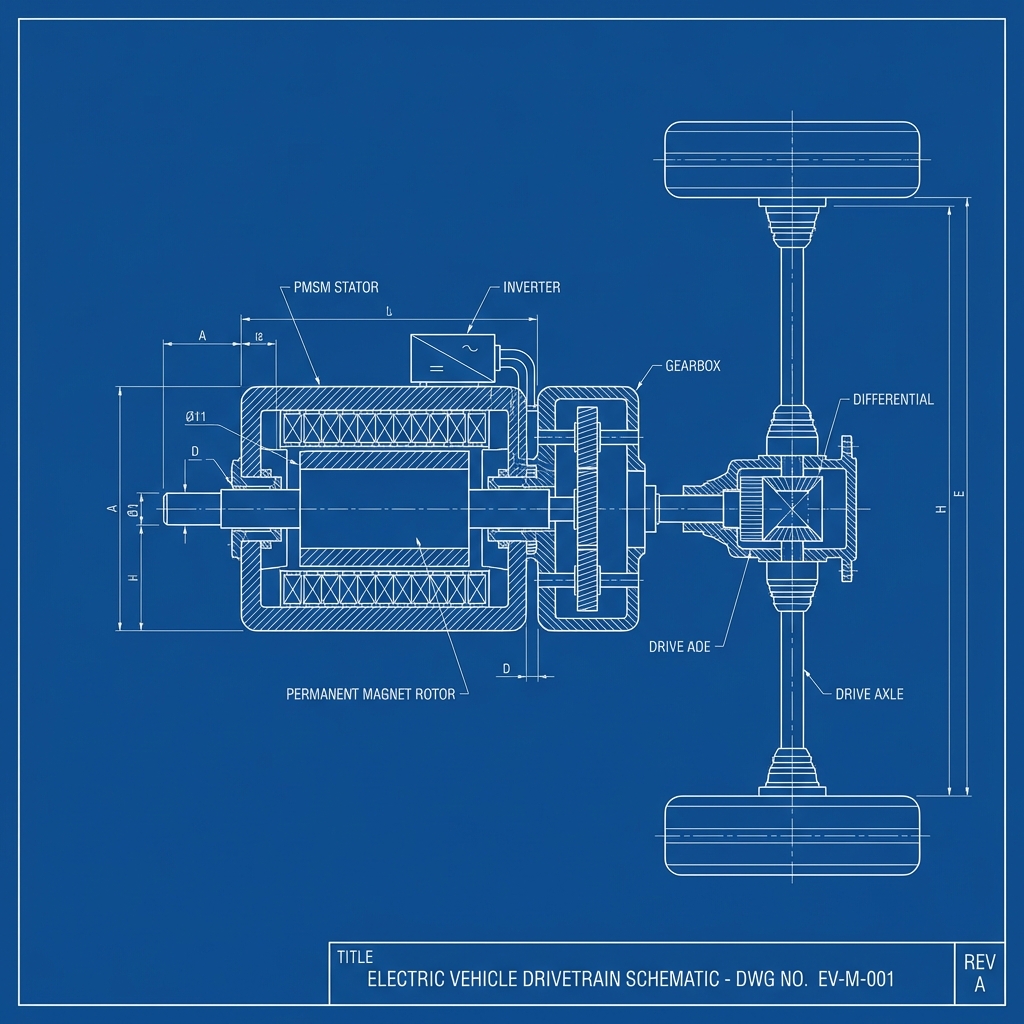
The Science of Drive Unit and Electric Motor Failure in Los Angeles
The drive unit in a Tesla Model S is the heart of its propulsion system, combining the electric motor, inverter, and gearbox to deliver power to the wheels. In Los Angeles, with its relentless stop-and-go traffic on highways like the 405, this system faces constant stress from frequent acceleration and braking. Over time, this wears down critical components, leading to potential failure.
Heat is another culprit, as temperatures reaching 90°F in LA can overheat the electric motor’s stator and rotor, degrading performance. The drive unit replacement becomes necessary when internal bearings or seals fail, often costing thousands. Early detection is key to avoiding total breakdown.
Additionally, the urban driving conditions in neighborhoods like Downtown LA or Hollywood amplify vibration and torque stress on the motor. This can cause EV motor noise like whining or grinding, signaling internal damage. Ignoring these signs risks safety and higher repair costs.
Common Symptoms of Failure
Recognizing the warning signs of drive unit or electric motor failure in your Tesla Model S can save you from being stranded. Here are key symptoms to watch for:
- Unusual EV Motor Noise: Grinding, whining, or humming sounds from the rear or front axle, indicating bearing wear or stator issues.
- Power Loss: Sudden drops in acceleration, especially on LA’s steep hills like those in Silver Lake, pointing to motor or inverter failure.
- Dashboard Errors: Alerts like “Power Reduced” or “Unable to Drive” on your Tesla screen, often tied to drive unit faults.
- Vibration: Excessive shaking during acceleration, suggesting misalignment or internal damage in the drive unit assembly.
These symptoms often worsen in Los Angeles traffic, where constant stop-start cycles exacerbate wear. Don’t ignore them—seek a professional diagnosis immediately.
Diagnostic Steps: DIY vs Professional
Diagnosing drive unit issues in a Tesla Model S requires precision. DIY diagnostics can involve checking for EV motor noise or using a basic OBD-II scanner, but Tesla’s proprietary systems limit what you can access. Most error codes require specialized software only available to certified technicians.
A professional diagnosis in Los Angeles includes advanced tools to test torque output and inspect the drive unit assembly. This ensures accurate identification of issues like inverter failure, which DIY methods often miss. The cost upfront saves money on misdiagnosis.
Given the complexity, we recommend professional service over DIY for safety and reliability. Attempting repairs without expertise risks further damage to the electric motor or related systems like the onboard charger.
OEM vs Aftermarket Parts for Tesla Model S
When replacing a drive unit or electric motor in your Tesla Model S, choosing between OEM (Original Equipment Manufacturer) and aftermarket parts is critical. OEM parts, sourced directly from Tesla, guarantee compatibility and come with warranties, but they’re pricier—often $5,000 or more for a drive unit. They’re ideal for maintaining factory performance.
Aftermarket parts are cheaper, sometimes half the cost, but quality varies. For drive unit replacement, non-OEM components may not handle LA’s demanding driving conditions as well, risking premature failure. Always research the supplier’s reputation before opting for aftermarket.
Our Los Angeles shop prioritizes OEM parts for reliability, especially given local traffic stress and heat. However, we can discuss aftermarket options if budget is a concern, ensuring you make an informed choice.
Future Prevention Tips
Preventing drive unit and electric motor failure in your Tesla Model S starts with mindful driving. Avoid aggressive acceleration in Los Angeles traffic, as it strains the electric motor and inverter. Smooth driving extends component life significantly.
Regular maintenance is non-negotiable. Schedule annual inspections to check for early EV motor noise or wear, especially if you frequently navigate hilly areas like Laurel Canyon. Early detection can prevent a $7,000 repair bill.
Finally, keep your Tesla’s software updated to optimize power management and reduce stress on the drive unit. Park in shaded areas during LA’s 90°F heatwaves to minimize thermal strain. For safety risks tied to motor failure, refer to official resources like NHTSA.gov for recalls or advisories.