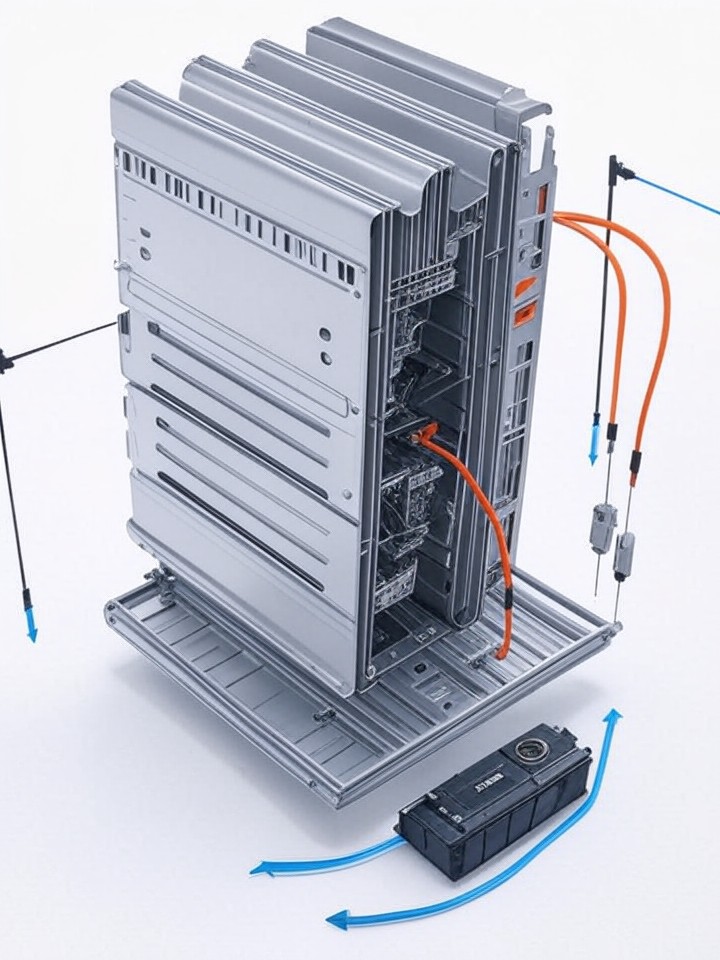
The Science of Inverter Assembly Failure in Los Angeles
The inverter assembly in your Tesla Model S is the heart of its electric drivetrain, converting DC power from the battery into AC power to drive the motors. Inverter assembly failure often stems from overheating or electrical surges, issues exacerbated by Los Angeles’ intense heat averaging 90°F and relentless traffic conditions. In neighborhoods like Downtown LA, constant stop-and-go driving strains this component relentlessly.
Why does this matter locally? With 284 sunny days annually, thermal stress on electronic components like the traction inverter is a real concern for Tesla owners. Prolonged exposure to heat without proper cooling can degrade internal circuits, leading to sudden power loss.
Moreover, the inverter assembly isn’t just about power delivery—it’s tied to safety. A failing unit can trigger an EV bricked state, leaving you stranded on busy freeways like the 101. Addressing issues early with professional traction inverter repair is critical in a city where roadside delays are both dangerous and costly.
Common Symptoms of Failure
Recognizing inverter assembly issues early can save you thousands in repairs. Here are key symptoms of failure to watch for in your Tesla Model S:
- Power Loss During Acceleration: Your vehicle struggles to maintain speed, especially on LA’s steep hills like those in Silver Lake.
- Warning Messages: Dashboard alerts like 'Unable to Drive' or 'Power Reduced' indicate potential inverter assembly failure.
- Unusual Noises: A high-pitched whine or grinding sound from under the car could signal internal damage to the traction inverter.
- Vehicle Shutdown: Complete loss of power, often termed EV bricked, leaving you unable to restart.
These signs often worsen in LA’s heat, where thermal overload pushes components to their limit. Don’t ignore them—seek expert diagnostics immediately to avoid escalation.
Diagnostic Steps: DIY vs Professional
Diagnosing inverter assembly failure starts with basic checks, but Tesla’s complexity often requires professional tools. At home, you can look for dashboard error codes using a compatible OBD-II scanner, though Tesla-specific codes may not display fully. Note any unusual behavior like sluggish acceleration.
However, DIY diagnostics have limits. Professional shops in Los Angeles use Tesla Toolbox software to access detailed logs from the inverter control module, pinpointing traction inverter issues accurately. This is crucial given the high-voltage risks involved.
Attempting repairs yourself can be dangerous—high-voltage systems pose a shock risk if mishandled. Rely on certified technicians who follow safety protocols outlined by resources like the NHTSA to ensure safe handling of your Tesla Model S.
OEM vs Aftermarket Parts for Tesla Model S
When repairing a failing inverter assembly, choosing between OEM (Original Equipment Manufacturer) and aftermarket parts is critical. OEM parts from Tesla ensure perfect compatibility with your Model S, maintaining performance and warranty status. They’re pricier but reliable.
Aftermarket options may save on upfront costs, but they often lack the same quality assurance. Using non-OEM parts for traction inverter repair risks software incompatibility, potentially triggering new faults. In Los Angeles, where repair costs are already high at $180–$240/hr, gambling on cheaper parts can backfire.
We recommend sticking with OEM components, especially for critical systems. Check Tesla’s official support page for verified part sources to avoid counterfeit risks.
Future Prevention Tips
Preventing inverter assembly failure starts with mindful driving habits in Los Angeles. Avoid aggressive acceleration in stop-and-go traffic on highways like the 405, as it overworks the traction inverter. Moderate driving reduces strain on the system.
Regular maintenance is key—schedule annual inspections to check coolant levels in the inverter assembly. Low coolant can cause overheating, a common failure trigger in LA’s 90°F climate. Keep cooling systems in top shape.
Finally, park in shaded areas whenever possible, especially during LA’s 284 sunny days. Thermal stress from direct sunlight accelerates wear on electronic components. Small steps like these can extend the life of your Tesla Model S inverter assembly significantly.