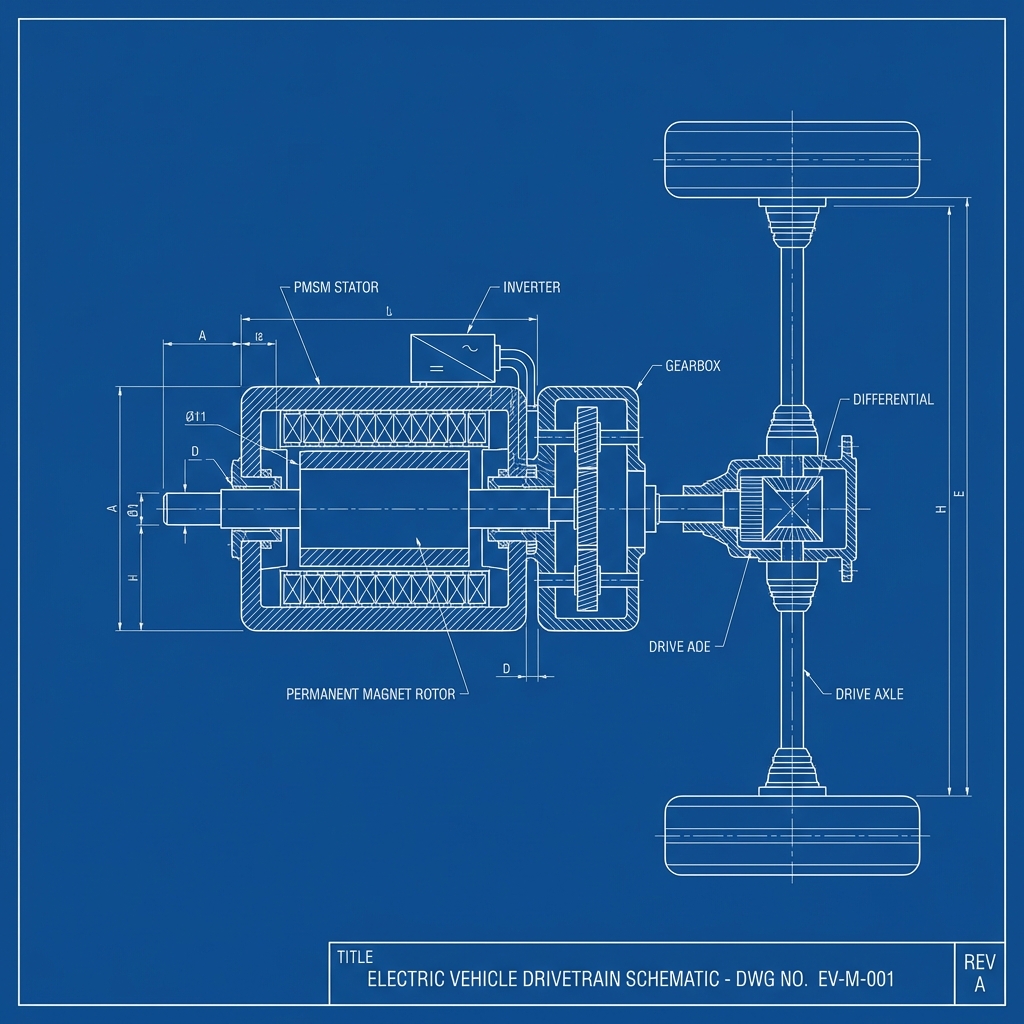
The Science of CV Joint and Half-Shaft Shudder in Las Vegas
The CV joint and half-shaft in your Tesla Model X are critical components of the drivetrain, responsible for transferring power from the electric motors to the wheels. When these parts wear out, you may notice a distinct acceleration shudder, especially under heavy torque. In Las Vegas, with over 210 sunny days and extreme heat reaching 104°F, the stress on these components intensifies.
High temperatures can degrade the grease inside CV boots, leading to faster wear and potential cracks. Combine this with the stop-and-go traffic on roads like I-15, and your Tesla faces constant strain. Addressing these issues early prevents costly repairs down the line.
Common Symptoms of Failure
Recognizing the signs of CV joint or half-shaft failure in your Tesla Model X can save you from unexpected breakdowns. Here are the most common symptoms reported by drivers in Las Vegas and beyond:
- A noticeable vibration or shudder during acceleration, especially at low speeds or when turning.
- Clicking or popping noises from the front or rear wheels when making sharp turns, indicating CV joint wear.
- Uneven tire wear due to misalignment caused by a failing half-shaft.
- A feeling of power loss or hesitation when pressing the accelerator, often tied to drivetrain issues.
If you’re experiencing any of these, especially on busy roads in Summerlin or Henderson, it’s time to get a professional diagnosis. Ignoring these signs risks safety and higher repair costs.
Diagnostic Steps: DIY vs Professional
Diagnosing a Tesla acceleration shudder can be tricky due to the vehicle’s advanced electric drivetrain. A basic DIY check involves listening for clicking noises during turns or feeling for vibrations while driving. However, without specialized tools, you might miss underlying issues.
Professional diagnostics in Las Vegas use Tesla-specific software to scan for drivetrain errors and physically inspect the CV axle and half-shaft for wear. Given the complexity, we recommend a certified shop over DIY to avoid misdiagnosis and ensure accurate repairs.
OEM vs Aftermarket Parts for Tesla Model X
When replacing a failing CV joint or half-shaft in your Tesla Model X, you’ll face a choice between OEM (original equipment manufacturer) and aftermarket parts. OEM parts, sourced directly from Tesla, guarantee compatibility with your vehicle’s dual-motor system but come at a premium cost. They’re often the safest bet for long-term reliability.
Aftermarket options may be cheaper, sometimes saving you 20-30% on CV axle replacement, but quality varies widely. In Las Vegas’s harsh climate, inferior parts can fail faster, leading to repeat repairs. We advise consulting with a technician to weigh cost versus durability.
Safety is another factor—substandard parts could pose risks, as noted by recalls on drivetrain components on sites like NHTSA.gov. Always prioritize quality when it comes to critical systems like these.
Future Prevention Tips
Preventing CV joint and half-shaft issues in your Tesla Model X starts with regular maintenance, especially under Las Vegas’s extreme conditions. Schedule annual inspections to check for CV boot tears or grease leaks, which are early warning signs. Catching these early can save thousands in repairs.
Avoid aggressive driving habits like rapid acceleration or sharp turns, which strain the drivetrain and contribute to acceleration shudder. This is particularly important in heavy traffic areas like the Strip. Smooth driving extends component life significantly.
Lastly, keep an eye on Tesla’s official updates at Tesla Support for any recalls or service bulletins related to drivetrain components. Staying proactive ensures your vehicle remains safe and reliable on Nevada roads.