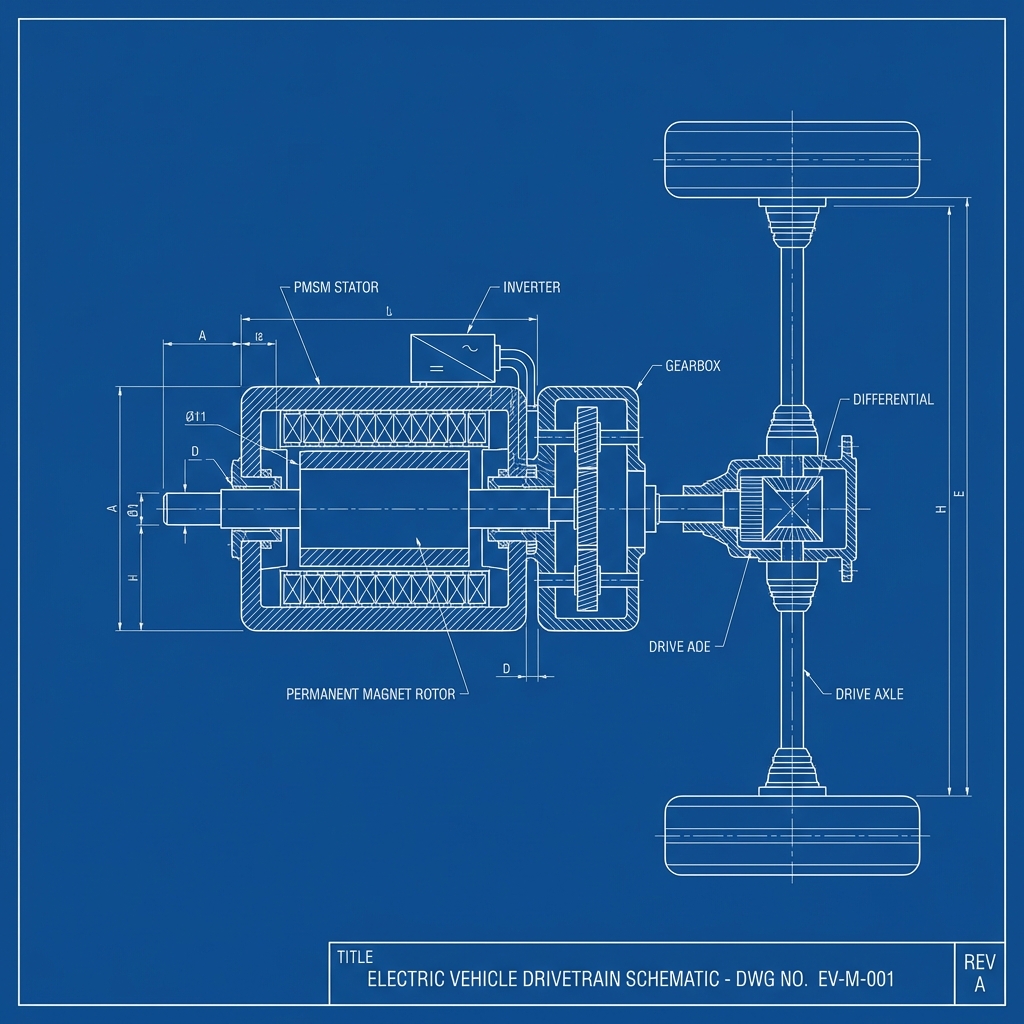
The Science of Drive Unit and Electric Motor Failure in Las Vegas
The Tesla Model X Drive Unit and Electric Motor are the heart of its performance, converting electrical energy into mechanical power to drive the wheels. In Las Vegas, with its scorching 104°F heat and over 210 sunny days annually, these components face extreme thermal stress. This heat can degrade internal lubrication, causing friction and eventual breakdown.
Beyond temperature, the stop-and-go traffic on the Strip forces constant acceleration and deceleration, overworking the Electric Motor. This repetitive strain leads to wear on bearings and gears within the Drive Unit. If ignored, a small issue can escalate into a full failure costing thousands.
Additionally, the dc-dc converter, which steps down high-voltage power for the 12v battery, can overheat in this climate, indirectly stressing motor systems. Addressing cooling system maintenance is critical to prevent cascading failures. Las Vegas drivers must stay proactive to avoid being stranded.
Common Symptoms of Failure
Recognizing the signs of Tesla Model X Drive Unit or Electric Motor failure can save you from costly repairs. Here are the most common symptoms to watch for in Las Vegas traffic.
- Grinding or Whining Noise: Often called EV motor noise, this indicates bearing wear or gear misalignment in the Drive Unit.
- Power Loss: Sudden drops in acceleration suggest Electric Motor failure or issues with power delivery.
- Vibration: Excessive shaking during driving can point to an unbalanced motor or damaged Drive Unit components.
- Error Messages: Warnings like “Power Reduced” on the Tesla touchscreen often signal motor or inverter faults.
- Overheating Alerts: Frequent high-temperature warnings may indicate cooling system issues affecting the motor.
If you notice any of these in areas like Summerlin, don’t delay. Early diagnosis prevents total system failure.
Diagnostic Steps: DIY vs Professional
Diagnosing Tesla Model X issues starts with basic checks you can do at home. Listen for EV motor noise and note any power inconsistencies while driving. However, DIY is limited without specialized tools.
Using a Tesla-compatible OBD-II scanner can reveal error codes like P0A78, pointing to Drive Motor Inverter issues. But interpreting these requires experience, especially for Las Vegas drivers under harsh conditions.
Professional diagnostics in Henderson shops often include thermal imaging to spot overheating components. With labor rates of $140–$180/hr, it’s worth the cost to avoid misdiagnosis and further Electric Motor damage.
OEM vs Aftermarket Parts for Tesla Model X
When replacing a Tesla Model X Drive Unit or Electric Motor, choosing between OEM (Original Equipment Manufacturer) and aftermarket parts is critical. OEM parts guarantee compatibility but come with a premium price, often exceeding $4,000.
Aftermarket options can save on Drive Unit replacement costs, sometimes by 30-40%. However, they risk software integration issues with Tesla’s proprietary systems. This can lead to performance glitches.
In Las Vegas, where reliability is key due to extreme heat, most experts recommend OEM for critical components like the Electric Motor. Check with local shops for warranty coverage on parts.
Future Prevention Tips
Preventing Tesla Model X Drive Unit and Electric Motor failure starts with regular maintenance checks. Schedule annual inspections of the cooling system to combat Las Vegas’s 104°F heat. This keeps critical components from overheating.
Avoid aggressive driving in stop-and-go traffic on roads like I-15, as it strains the Electric Motor. Use regenerative braking wisely to reduce wear on the Drive Unit.
Finally, monitor your 12v battery health via the onboard system, as a failing battery can overstress the dc-dc converter and motor. For safety risks tied to electrical failures, refer to resources like NHTSA.gov and Tesla’s support page.