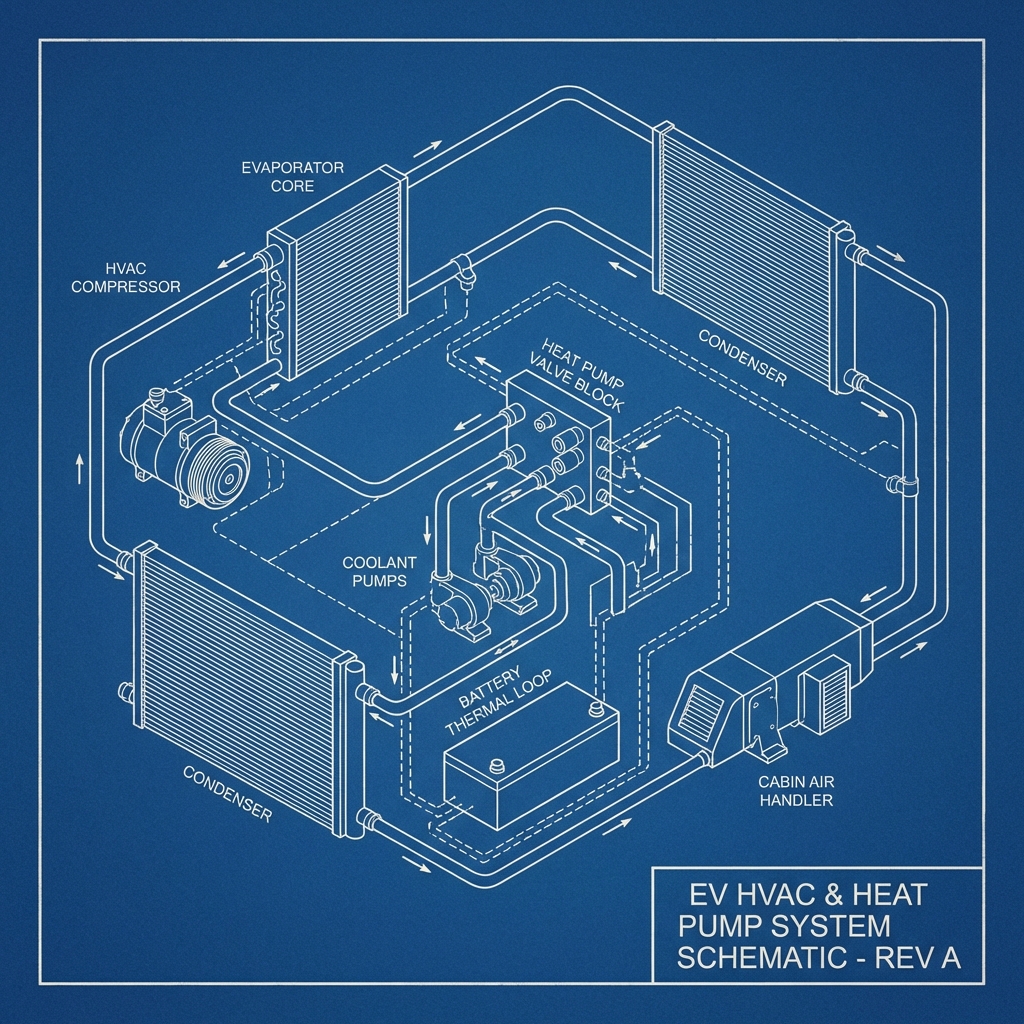
The Science of Heat Pump / AC Compressor Failure in Las Vegas
The Tesla Model X relies on a sophisticated heat pump to manage cabin temperature and battery cooling, especially under Las Vegas’ extreme 104°F heat. This system, paired with the AC compressor, circulates refrigerant to transfer heat out of the vehicle. When overworked by constant high temperatures, components wear down faster, leading to inefficiency or total failure.
Las Vegas drivers, especially in areas like Summerlin, often face stop-and-go traffic that forces the system to cycle repeatedly, causing heat pump noise or compressor strain. Over time, debris from desert roads can clog the system, reducing airflow. This accelerates wear, making repairs urgent.
The heat pump also ties into the battery thermal management system, meaning a failure can risk battery overheating. In a city with 210 sunny days annually, this isn’t just a comfort issue—it’s a safety concern. Ignoring early signs can lead to costly cascading failures.
Common Symptoms of Failure
Recognizing the signs of heat pump or AC compressor issues in your Tesla Model X can save you from expensive repairs. Here are key symptoms to watch for in Las Vegas’ harsh climate.
- Loud humming or grinding noises from the front of the vehicle, indicating heat pump strain or compressor bearing wear.
- Weak or no cabin cooling, even when the AC is set to maximum, a common issue in 104°F heat.
- Dashboard error messages related to climate control or thermal system faults on the touchscreen.
- Inconsistent temperature regulation, where the cabin feels hot despite AC activation.
- Unusual smells, like burning or chemical odors, signaling refrigerant leaks or electrical issues.
If you notice these in neighborhoods like Henderson, don’t delay. Early action prevents system-wide failure costing thousands.
Diagnostic Steps: DIY vs Professional
Diagnosing heat pump or AC compressor issues in a Tesla Model X requires precision. A DIY approach might involve checking for visible leaks or listening for odd noises, but Tesla’s systems are complex. Without specialized tools, you risk missing critical faults.
Professional diagnostics in Las Vegas use factory-level scan tools to read error codes from the heat pump module. Technicians also pressure-test the AC system for refrigerant issues, something unfeasible at home. This ensures accurate identification of compressor failure.
Given labor rates of $140–$180/hr, professional help might seem pricey, but it saves money long-term. DIY missteps can worsen damage, spiking costs. Trust experts for Tesla-specific repairs.
OEM vs Aftermarket Parts for Tesla Model X
When replacing a heat pump or AC compressor, choosing between OEM (original equipment manufacturer) and aftermarket parts is critical. OEM parts, sourced from Tesla, guarantee compatibility with your Model X’s thermal management software. They often come with warranties but at a higher cost.
Aftermarket options may be cheaper, but they risk performance mismatches or firmware issues. In Las Vegas’ heat, subpar parts fail faster, negating savings. We recommend OEM for long-term reliability.
Safety is also a factor—faulty parts can lead to system failures. Check official resources like NHTSA.gov for recalls or safety alerts on aftermarket components. Make an informed choice.
Future Prevention Tips
Preventing heat pump and AC compressor failure in your Tesla Model X starts with regular maintenance, especially in Las Vegas’ desert climate. Schedule annual inspections to check refrigerant levels and clean system components. This avoids buildup that causes overheating.
Park in shaded areas or garages when possible to reduce heat stress on the system. Las Vegas’ 210 sunny days amplify wear, so minimizing exposure helps. Small habits extend component life.
Lastly, update your Tesla’s software regularly via over-the-air updates. Tesla often releases patches for thermal efficiency, reducing strain. Stay proactive with these prevention strategies to avoid costly repairs.