The Science of PTC Heater Failure in Las Vegas
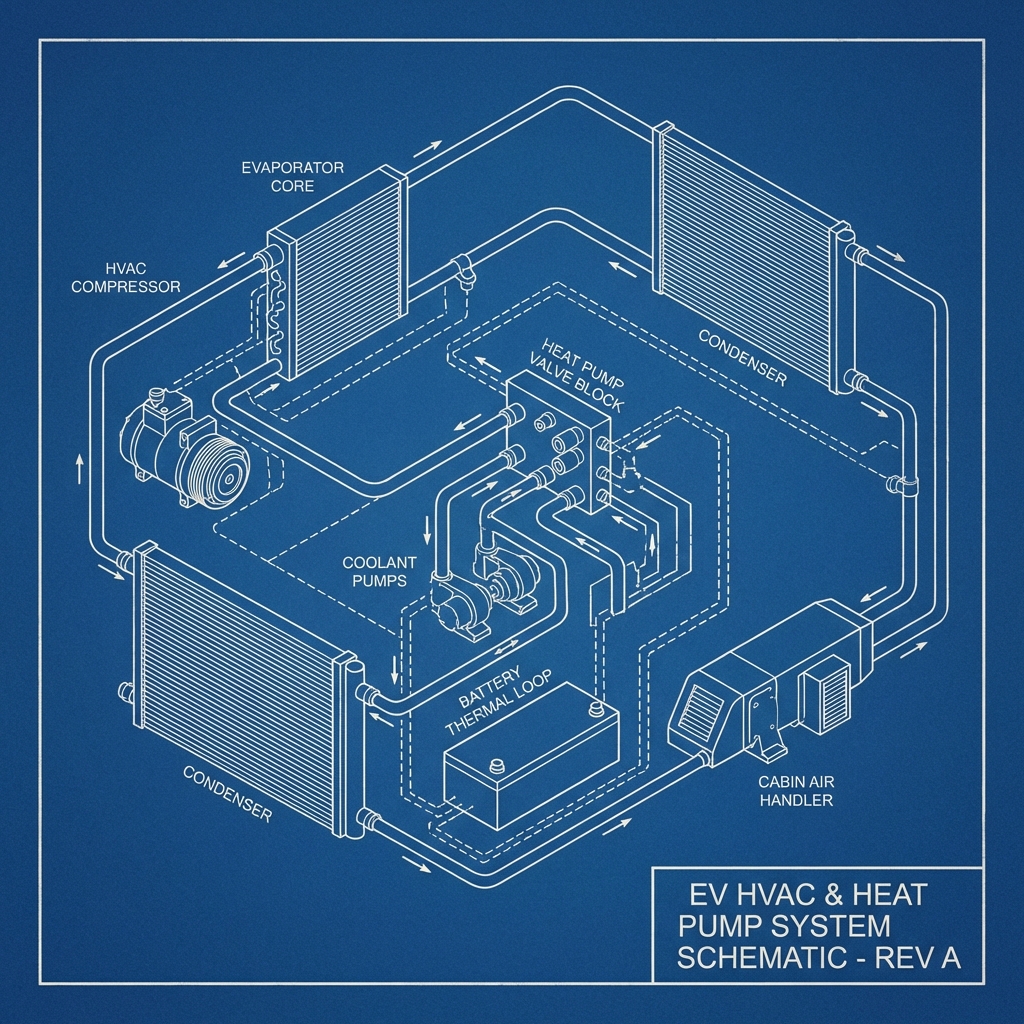
The PTC Heater in your Tesla Model X is a critical component responsible for warming the cabin, especially during cooler mornings or rare cold snaps. In a city like Las Vegas, with 104°F average highs and 210 sunny days per year, you might not think heating is a priority, but sudden temperature drops can catch drivers off guard. When the PTC Heater fails, it disrupts the vehicle’s thermal management, leaving you without essential cabin heat.
This failure often stems from electrical overloads or wear on the heater’s positive temperature coefficient elements, worsened by extreme desert heat that stresses all EV components. The high-voltage system in your Tesla is under constant pressure in such climates, accelerating wear on parts like the PTC Heater. If ignored, this can lead to bigger issues with related systems.
Common Symptoms of Failure
Recognizing a PTC Heater failure early can save you from costly repairs down the line. Here are the most common signs to watch for in your Tesla Model X:
- No warm air from the vents, even when the heating is set to maximum—often the first clue of EV no heat issues.
- Unusual clicking or buzzing sounds from the front of the vehicle, indicating a struggling PTC Heater relay.
- Dashboard error messages related to the thermal management system, such as 'Cabin Climate Control Error.'
- Increased energy consumption shown on the display, as the system overworks to compensate for the failed heater.
If you’re driving through Summerlin or Henderson and notice these issues, don’t delay—get a professional diagnostic to avoid escalation.
Diagnostic Steps: DIY vs Professional
Diagnosing a PTC Heater issue in your Tesla Model X can be tempting as a DIY project, but it’s often risky. A simple step like checking the Tesla mobile app for error logs or listening for unusual sounds can give you a clue, but that’s where DIY should stop. The high-voltage systems in EVs require specialized tools and training to handle safely.
Professional diagnostics, on the other hand, involve connecting to the vehicle’s diagnostic port to read specific error codes from the thermal management system. In Las Vegas, with extreme weather conditions, a certified technician can also inspect for heat-related wear on wiring. This ensures accuracy and prevents safety risks—check resources like NHTSA.gov for EV safety guidelines.
OEM vs Aftermarket Parts for Tesla Model X
When replacing a PTC Heater, you’ll face a choice between OEM (Original Equipment Manufacturer) parts and aftermarket options. OEM parts, sourced directly from Tesla, guarantee compatibility with your Model X’s thermal management software, but they often come with a higher price tag. In Las Vegas, where demand for Tesla repairs is growing, these parts can take longer to source.
Aftermarket parts are often more affordable and readily available, but quality varies widely. A poor-quality replacement can lead to premature failure under the strain of desert heat. We recommend consulting with a trusted technician to balance cost and reliability—always check manufacturer support at Tesla.com/support for part recommendations.
Future Prevention Tips
Preventing PTC Heater failure in your Tesla Model X starts with regular maintenance, especially in a harsh climate like Las Vegas. Schedule annual checks of your high-voltage systems and thermal components to catch wear early. This is critical given the extreme temperature swings in the desert.
Avoid overusing cabin heating settings during peak heat to reduce strain on the PTC Heater. Park in shaded areas or garages when possible to minimize electrical system stress from direct sun exposure. Finally, keep your Tesla’s software updated for optimal thermal management—small steps like these can extend component life significantly.