The Science of Radiator and Condenser Fan Failure in Las Vegas
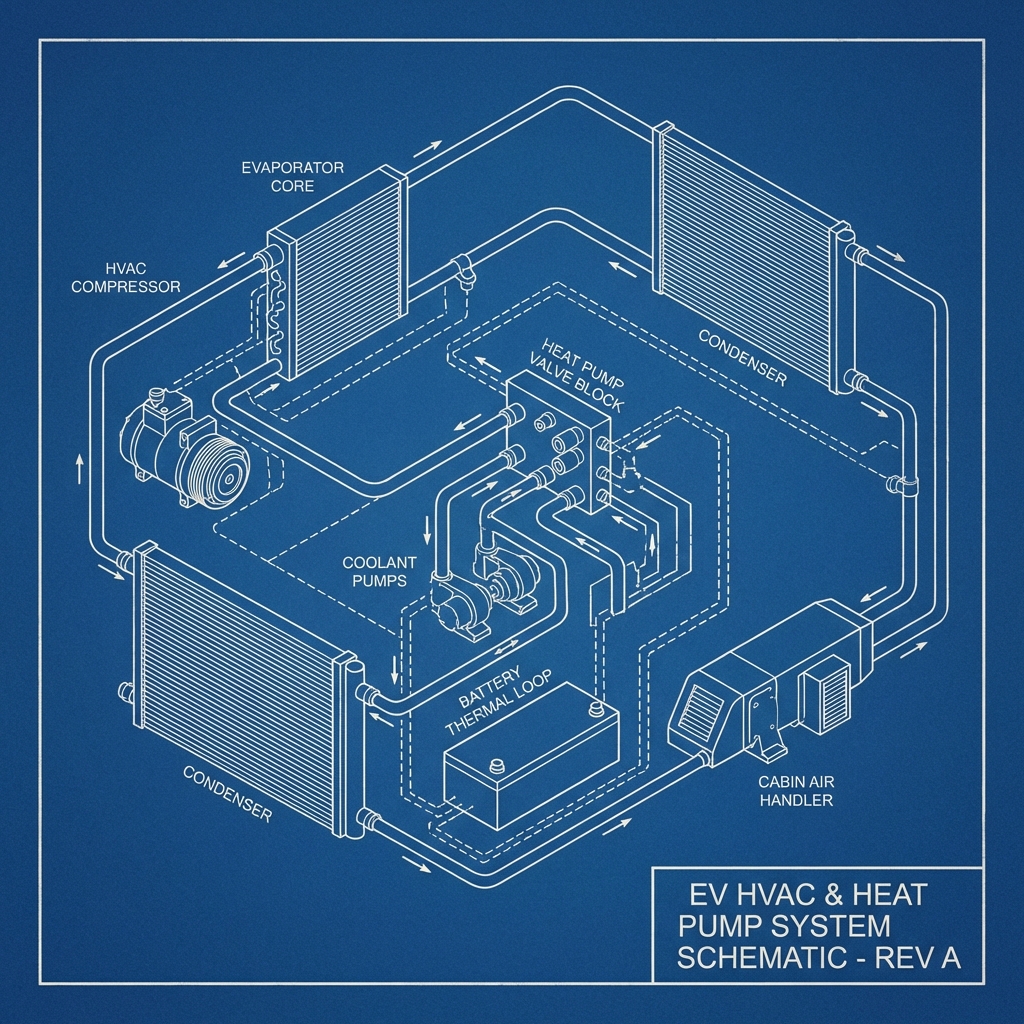
The radiator and condenser fans in your Tesla Model X are critical for managing the temperature of the battery pack and powertrain components. In Las Vegas’s extreme heat, often exceeding 104°F, these fans work overtime to prevent overheating. Without proper cooling, the system can trigger thermal shutdowns or permanent damage.
These fans pull air through the radiator and condenser to dissipate heat from the coolant and air conditioning system. When they fail, battery temperatures spike, risking costly repairs. The desert climate and 210 sunny days a year in Las Vegas make fan failure a frequent issue for EV owners.
Dust and debris from local roads, especially near Summerlin, can clog fan assemblies, reducing efficiency. Regular maintenance is essential to combat environmental wear. Ignoring early signs like loud EV fan noise can lead to bigger problems.
Common Symptoms of Failure
Recognizing the signs of radiator and condenser fan failure can save you from major repair bills. Here are the most common symptoms Tesla Model X owners in Las Vegas report:
- Loud EV fan noise or grinding sounds coming from the front of the vehicle, especially after long drives.
- Overheating warnings on the dashboard display, indicating the cooling system isn’t functioning properly.
- Reduced air conditioning performance, as the condenser fan fails to cool the refrigerant.
- Battery performance issues, such as slower charging or reduced range due to thermal stress.
If you notice these issues while driving on I-15 or in Henderson, don’t delay a diagnostic. Early action prevents system-wide failures.
Diagnostic Steps: DIY vs Professional
Diagnosing fan failure in a Tesla Model X requires specialized tools and knowledge. A DIY approach might involve checking for visible debris or listening for unusual noises, but it’s limited without access to Tesla’s diagnostic software.
Professional technicians use Tesla Toolbox software to pull error codes from the vehicle’s system, pinpointing issues with the fan motor or control module. This ensures accurate repairs and saves time.
In Las Vegas, where heat accelerates wear, opting for a certified EV specialist is worth the $140–$180 hourly rate. DIY risks missing deeper issues like thermal management faults, leading to bigger expenses.
OEM vs Aftermarket Parts for Tesla Model X
When replacing radiator or condenser fans, choosing between OEM (original equipment manufacturer) and aftermarket parts is crucial. OEM Tesla parts are designed specifically for the Model X, ensuring compatibility with its unique thermal management system.
Aftermarket parts may be cheaper, but they often lack the durability to handle Las Vegas’s extreme conditions. Poor fitment can lead to recurring failures, costing more in the long run.
We recommend OEM for radiator fan replacement to maintain performance and warranty coverage. While the upfront cost is higher, it protects against system mismatches and future breakdowns.
Future Prevention Tips
Preventing radiator and condenser fan failure starts with regular maintenance. Schedule annual cooling system inspections to catch issues before they escalate, especially before Las Vegas’s brutal summer.
Keep the front grille and fan assembly free of debris, as desert dust can clog components. A simple visual check every few months can make a big difference in fan longevity.
Avoid prolonged idling in stop-and-go traffic on the Strip when possible, as it overworks the cooling system. Finally, heed any dashboard warnings and address loud EV fan noise immediately to prevent thermal damage. For safety concerns related to overheating, refer to guidelines from NHTSA and Tesla’s official support at Tesla Support.