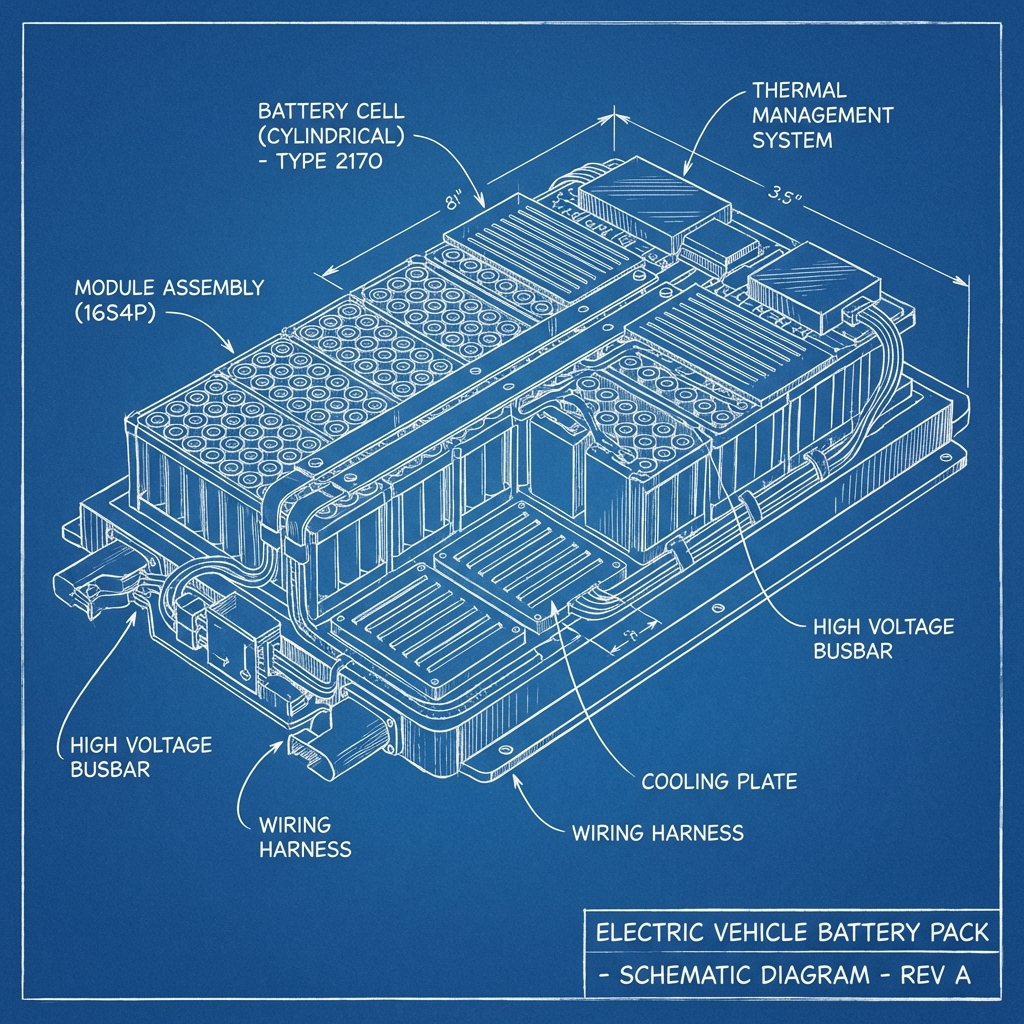
The Science of High Voltage Battery Replacement in Las Vegas
The high voltage battery pack in your Tesla Model Y is the heart of the vehicle, powering everything from acceleration to climate control. Extreme Las Vegas heat, averaging 104°F in summer, can degrade lithium-ion cells faster, reducing capacity over time. This environmental stress is a key reason for early battery failure in the region.
Replacing this battery isn’t just about swapping parts—it’s a complex process involving high voltage safety protocols and specialized tools. The battery pack, weighing over 1,000 pounds, sits under the vehicle’s floor and requires precise calibration with the battery management system (BMS). Without expert handling, you risk further damage.
Common Symptoms of Failure
Recognizing the signs of a failing high voltage battery can save you from costly breakdowns. A sudden drop in driving range is often the first clue, especially if your Tesla Model Y struggles to maintain charge in Las Vegas’s heat. You might also notice slower acceleration.
Here are key symptoms to watch for:
- Dashboard Alerts: Error messages like ‘Battery Power Limited’ or ‘Service Required’ appearing on your screen.
- Unusual Sounds: Clicking or humming noises from under the vehicle when starting or charging.
- Charging Issues: Slow charging speeds or failure to reach full capacity even after hours plugged in.
- Power Loss: Sudden shutdowns or inability to start, especially after sitting in the sun.
If you’re experiencing these in areas like Summerlin, don’t wait—early diagnosis is critical to avoid full failure.
Diagnostic Steps: DIY vs Professional
While some Tesla owners attempt DIY diagnostics using apps or OBD-II scanners, high voltage systems are extremely dangerous without proper training. A simple mistake could lead to electric shock or system damage. DIY efforts often miss deeper issues in the battery management system.
Professional diagnostics in Las Vegas use Tesla-specific software like Toolbox to read error codes and assess cell health. Technicians also perform physical inspections for corrosion or leaks. Trusting experts ensures accuracy and safety—especially given the risks outlined by NHTSA regarding high voltage mishandling.
OEM vs Aftermarket Parts for Tesla Model Y
When replacing a high voltage battery pack, choosing between OEM (original equipment manufacturer) and aftermarket options is crucial. OEM Tesla batteries guarantee compatibility with your Model Y’s software and thermal systems, though they often cost $10,000 to $15,000. They come with manufacturer-backed warranties.
Aftermarket options might save you on EV battery replacement cost, sometimes dropping to $7,000, but quality varies. They may not integrate fully with Tesla’s proprietary systems, risking performance issues. For Las Vegas drivers, where heat stress is constant, OEM is often the safer bet.
Always consult a certified technician before deciding. Check Tesla’s official support at tesla.com/support for warranty details on OEM parts. A reliable choice now prevents headaches later.
Future Prevention Tips
Preventing high voltage battery failure starts with smart habits, especially in Las Vegas’s brutal climate. Avoid parking in direct sun for long periods—use shade or garages in Henderson to reduce heat exposure. Overheating accelerates cell degradation.
Limit fast charging unless necessary, as it stresses the battery. Stick to Level 2 charging at home and keep charge levels between 20% and 80% for optimal longevity. Tesla’s software can help set these limits automatically.
Regularly check for software updates via your Tesla app, as they often include battery optimization improvements. Schedule annual inspections with a certified shop to catch early wear. Small steps like these can extend your battery’s life by years.
Lastly, be mindful of heavy loads or frequent trips up steep inclines like those near Red Rock Canyon. Reducing power strain on your Tesla Model Y helps maintain battery health. Stay proactive to avoid another costly replacement.