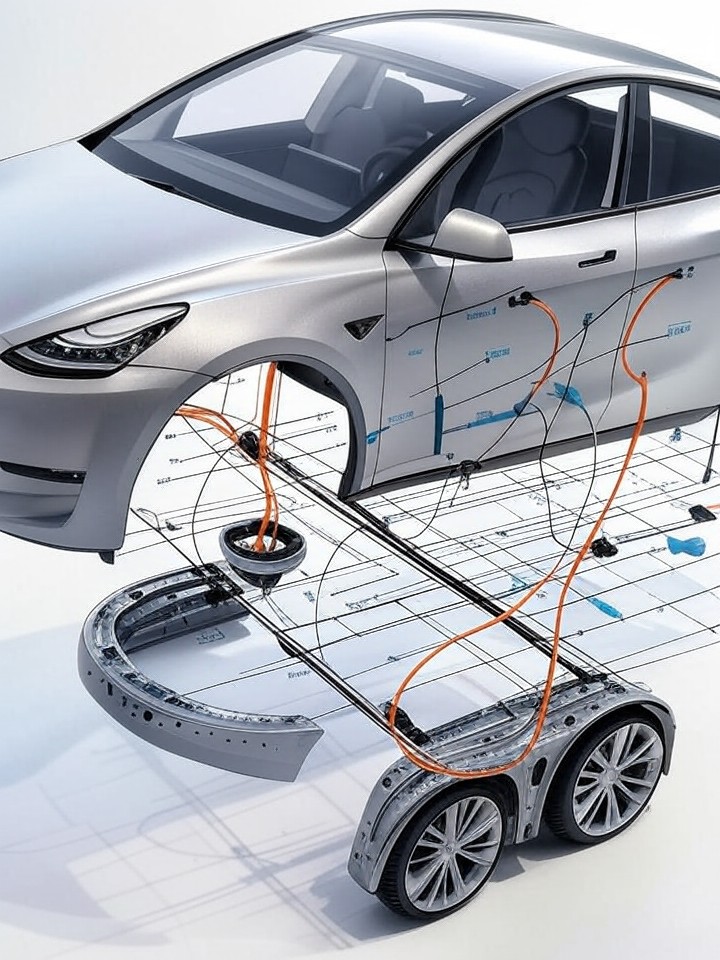
The Science of Onboard Charger Failure in Miami
The onboard charger in your Tesla Model Y is the heart of its charging system, converting AC power from your home or charging station into DC power to store in the battery. In Miami’s relentless 85°F heat and high humidity, this component faces constant stress, especially during frequent stops on I-95 traffic. Over time, thermal wear can degrade internal circuits, leading to failure.
This isn’t just a technical glitch—it’s a real-world problem for Miami drivers. The onboard charger works alongside the dc-dc converter, which powers the 12v battery for accessories like lights and locks. When one fails, the other often follows, leaving you with a car that won’t charge or start.
Miami’s 248 sunny days a year might sound great, but they amplify heat buildup in your Tesla’s components. Prolonged exposure in areas like Coral Gables can accelerate wear on the onboard charger’s cooling system. If your EV won’t charge at home, this could be the culprit.
Common Symptoms of Failure
Recognizing onboard charger failure early can save you thousands in repairs. Here are the key warning signs Tesla Model Y owners in Miami should watch for:
- Charging Errors: Your Tesla displays a “charging interrupted” message on the touchscreen.
- Slow Charging: Even with a Level 2 charger, your battery takes hours longer to fill.
- Strange Noises: A faint humming or clicking near the rear of the vehicle during charging.
- 12v Battery Warnings: Dashboard alerts about low voltage or accessory failures.
These symptoms often worsen in Miami’s humid climate, where moisture can infiltrate electrical systems. Don’t ignore a non-charging EV—it’s a sign of deeper issues.
Diagnostic Steps: DIY vs Professional
Diagnosing onboard charger failure starts with checking for error codes on your Tesla Model Y’s touchscreen. DIY enthusiasts can use a basic OBD-II scanner, but Tesla’s proprietary system often hides critical data. This is where professional help shines.
In Miami, our technicians use specialized Tesla diagnostic tools to pinpoint faults in the onboard charger or dc-dc converter. We also test the 12v battery health, as it’s often impacted. DIY risks misdiagnosis, costing more in the long run.
Attempting repairs yourself can void warranties or worsen damage to high-voltage systems. According to NHTSA guidelines, tampering with EV components poses safety risks. Trust certified experts for accurate results.
OEM vs Aftermarket Parts for Tesla Model Y
When replacing an onboard charger, choosing between OEM (Original Equipment Manufacturer) and aftermarket parts is critical. OEM parts, sourced directly from Tesla, guarantee compatibility with your Model Y’s power management system. They’re pricier but reliable.
Aftermarket options might save you upfront costs, but they often lack the precise calibration needed for Tesla’s software updates. In Miami, where heat stresses components, a subpar part can fail faster, doubling your repair expenses.
We recommend sticking with OEM for onboard charger replacement, especially given Tesla’s strict warranty terms. Check Tesla Support for coverage details. Quality pays off in the long term.
Future Prevention Tips
Preventing onboard charger failure starts with regular maintenance. Schedule annual inspections to catch early signs of wear, especially on the dc-dc converter and 12v battery. Miami’s climate demands proactive care.
Avoid charging during peak midday heat in areas like Brickell—opt for evening sessions to reduce thermal stress. Use a Level 2 charger with proper ventilation to minimize strain on the onboard charger.
Finally, keep your Tesla Model Y’s software updated. Tesla often releases patches to optimize charging efficiency, reducing wear on critical components. Protect your investment with these simple preventive steps.