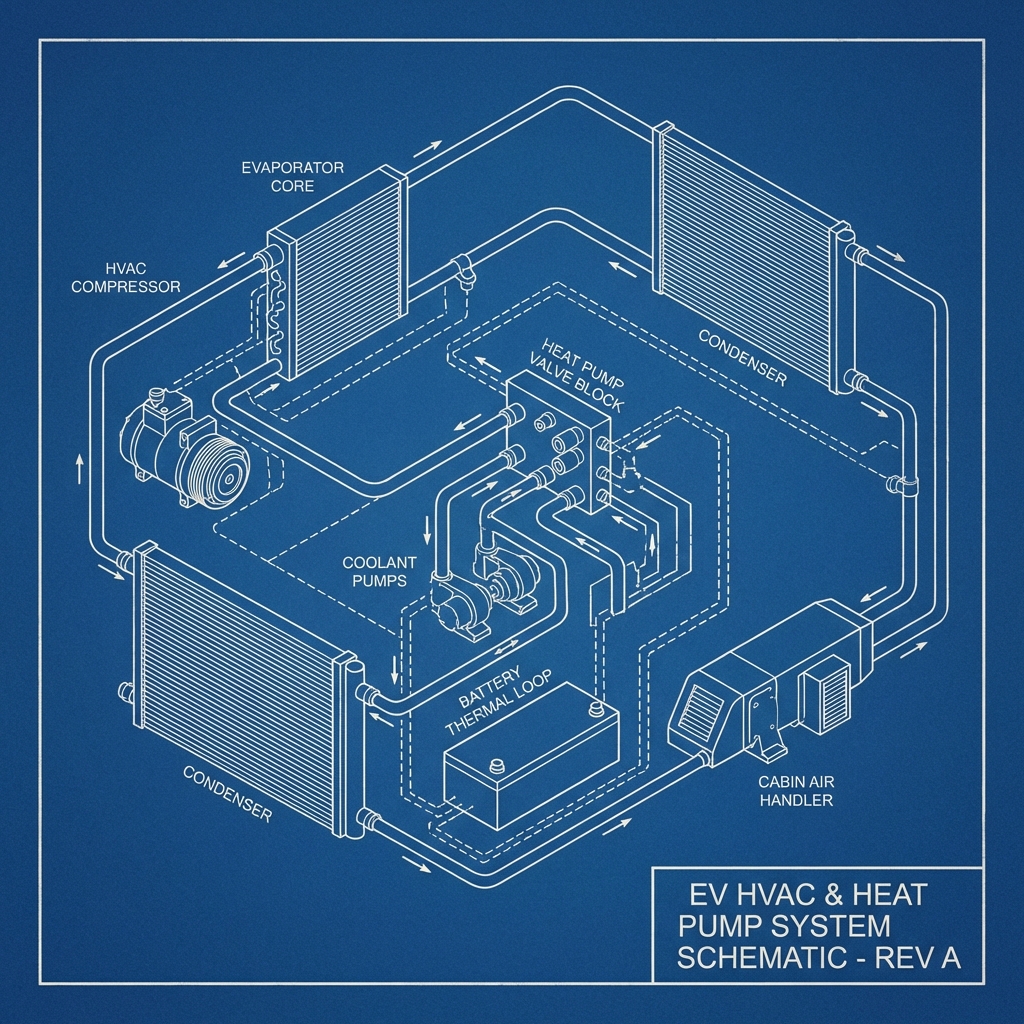
The Science of Coolant Pump Leaks in Las Vegas
Coolant pump leaks in a Tesla Roadster are more than just a minor inconvenience; they’re a direct threat to the vehicle’s high-performance electric systems. The coolant pump keeps the battery pack and motor at optimal temperatures, preventing overheating. In Las Vegas’s extreme 104°F heat, even a small leak can lead to rapid coolant loss and system failure.
The Roadster’s cooling system relies on precise pressure and fluid levels to function. A compromised pump can’t circulate coolant effectively, causing battery thermal runaway risks. This is especially dangerous with 210 sunny days per year amplifying the strain on your EV.
Local drivers in areas like Summerlin often push their vehicles hard on hot asphalt. This accelerates wear on seals and hoses, making EV coolant leaks a common issue. Regular checks are essential in this climate.
Common Symptoms of Failure
Recognizing a coolant pump issue early can save you thousands in repairs. Here are key signs of failure in your Tesla Roadster. Pay attention to these warning indicators.
- Dashboard Temperature Warnings: An alert indicating high battery or motor temperature often points to a coolant issue.
- Unusual Noises: A whining or grinding sound from the front of the vehicle could signal a failing battery coolant pump.
- Visible Fluid: Green or pink fluid pooling under your car is a clear sign of a coolant leak.
- Performance Drops: Reduced acceleration or power output may indicate overheating due to insufficient cooling.
These symptoms are often subtle at first. Ignoring them can escalate to major component damage. If you’re in Henderson and notice these, don’t delay a diagnostic.
Diagnostic Steps: DIY vs Professional
Diagnosing a coolant pump leak in a Tesla Roadster requires precision. For DIY enthusiasts, start by checking for visible fluid leaks under the vehicle. Use a flashlight to inspect near the battery pack area.
However, DIY has limits. Without Tesla-specific diagnostic tools, you can’t access error codes or test system pressure for EV coolant leak sources. This is where professionals shine.
At our Las Vegas shop, we use advanced software to read thermal management data. We also perform pressure tests to locate micro-leaks, ensuring no guesswork. For complex systems like the Roadster’s, professional help often saves time and money.
OEM vs Aftermarket Parts for Tesla Roadster
When repairing a coolant pump leak, part choice matters. OEM (Original Equipment Manufacturer) parts are designed specifically for the Tesla Roadster, ensuring perfect fit and compatibility. They often come with warranties, adding peace of mind.
Aftermarket parts may be cheaper, but they can lack the precision needed for high-voltage systems. A poorly fitted pump could fail prematurely, risking further battery coolant pump issues. We’ve seen this in Las Vegas repairs time and again.
While OEM parts cost more upfront, they reduce long-term risks. For safety-critical systems, we always recommend sticking with Tesla-approved components. Check manufacturer guidelines at tesla.com/support for specifics.
Future Prevention Tips
Preventing coolant pump leaks starts with routine maintenance. Schedule annual inspections to catch early wear on seals before they become leaks. This is critical in Las Vegas’s harsh heat.
Use only Tesla-approved coolant to avoid chemical degradation of cooling system components. Incorrect fluids can corrode pumps and hoses. Always verify fluid specs before topping off.
Monitor your driving habits, especially on steep climbs like Red Rock Canyon. Excessive strain can overwork the battery coolant pump, so ease off aggressive acceleration. Small changes can extend system life.
Finally, be aware of safety risks tied to overheating. The National Highway Traffic Safety Administration offers resources on EV safety at nhtsa.gov. Stay proactive to protect your investment.