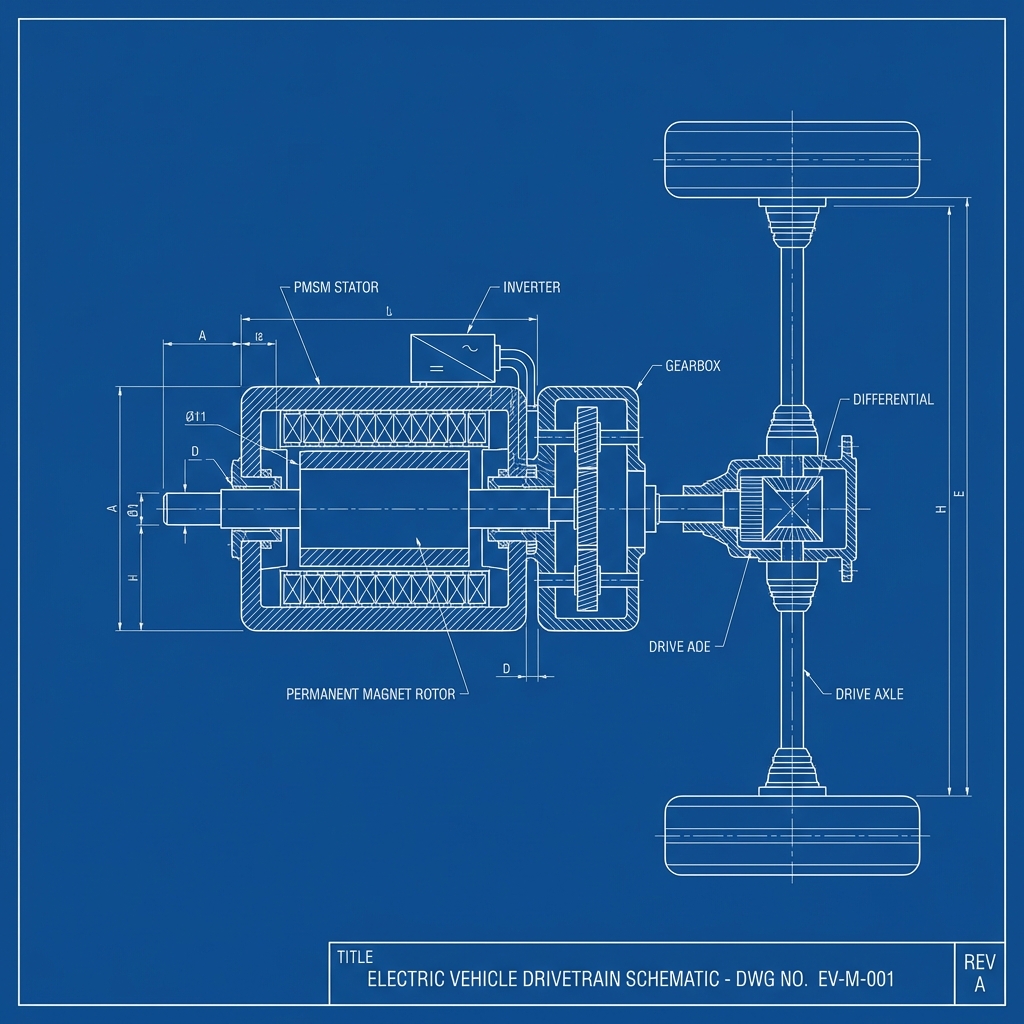
The Science of Drive Unit and Electric Motor Failure in Las Vegas
The Tesla Roadster’s Drive Unit and Electric Motor are engineering marvels, but they’re not immune to failure, especially under Las Vegas’s extreme conditions. With average temperatures hitting 104°F and 210 sunny days a year, the intense heat can overstress electrical components, causing insulation breakdown in the motor windings. This often leads to short circuits or power loss, rendering your vehicle inoperable.
Moreover, the stop-and-go traffic on I-15 forces constant acceleration and deceleration, putting extra strain on the Drive Unit’s single-speed gearbox. Over time, this repetitive stress can cause mechanical wear or even cracking in critical components. Early detection is key to avoiding total failure.
Another factor is dust and debris common in desert areas like Summerlin, which can infiltrate cooling systems. When cooling fails, the Electric Motor overheats, accelerating damage to both the motor and connected systems like the dc-dc converter, which manages power to the 12v battery.
Common Symptoms of Failure
Recognizing the signs of Drive Unit or Electric Motor failure can save you from costly repairs. Here’s what to watch for in your Tesla Roadster, especially in Las Vegas’s harsh climate.
- Unusual EV motor noise: A high-pitched whine or grinding sound during acceleration often signals internal motor damage.
- Power loss: If your Roadster struggles to accelerate or feels sluggish, the Drive Unit may be failing.
- Warning messages: Dashboard alerts related to traction control or motor performance indicate electrical faults.
- Vibration: Excessive shaking during operation can point to a misaligned rotor or worn bearings in the Drive Unit.
Ignoring these warning signs can lead to complete breakdowns, often at the worst times, like during a commute through Henderson. Schedule a diagnostic if you notice any of these issues.
Diagnostic Steps: DIY vs Professional
Diagnosing Drive Unit or Electric Motor issues in a Tesla Roadster requires precision. While DIY checks like listening for EV motor noise or checking for dashboard errors can provide initial clues, they’re no substitute for professional tools.
Professional diagnostics use specialized Tesla software to read error codes from the Power Electronics Module (PEM). This identifies specific faults, such as inverter issues, that a simple visual inspection can’t detect.
Attempting a DIY repair risks further damage to high-voltage systems, which can be dangerous without proper training. In Las Vegas, where heat exacerbates issues, trust a certified technician for accurate Drive Unit replacement or repair.
OEM vs Aftermarket Parts for Tesla Roadster
When repairing your Tesla Roadster, choosing between OEM (Original Equipment Manufacturer) and aftermarket parts is critical. OEM parts, sourced directly from Tesla, ensure perfect compatibility with your vehicle’s Drive Unit and Electric Motor, maintaining performance standards.
Aftermarket parts may be cheaper, often saving 20-30% on upfront costs, but they can compromise long-term reliability. For a high-performance EV like the Roadster, this risk isn’t worth taking, especially under Las Vegas’s extreme heat.
We recommend OEM for critical components to avoid premature failure. While labor rates in Las Vegas ($140–$180/hr) add to the cost, the investment protects your vehicle’s value and safety.
Future Prevention Tips
Preventing Drive Unit and Electric Motor failure starts with regular maintenance, tailored to Las Vegas’s desert climate. Schedule annual inspections to check cooling systems, as heat is a primary cause of component stress.
Avoid aggressive driving habits, especially in stop-and-go traffic on I-15, which overworks the Drive Unit. Smooth acceleration reduces mechanical strain on the system.
Keep an eye on your Tesla Roadster’s dashboard alerts and address any warnings immediately. For safety concerns, refer to resources like the NHTSA for recall information and ensure your vehicle is up to date on software updates via Tesla Support.