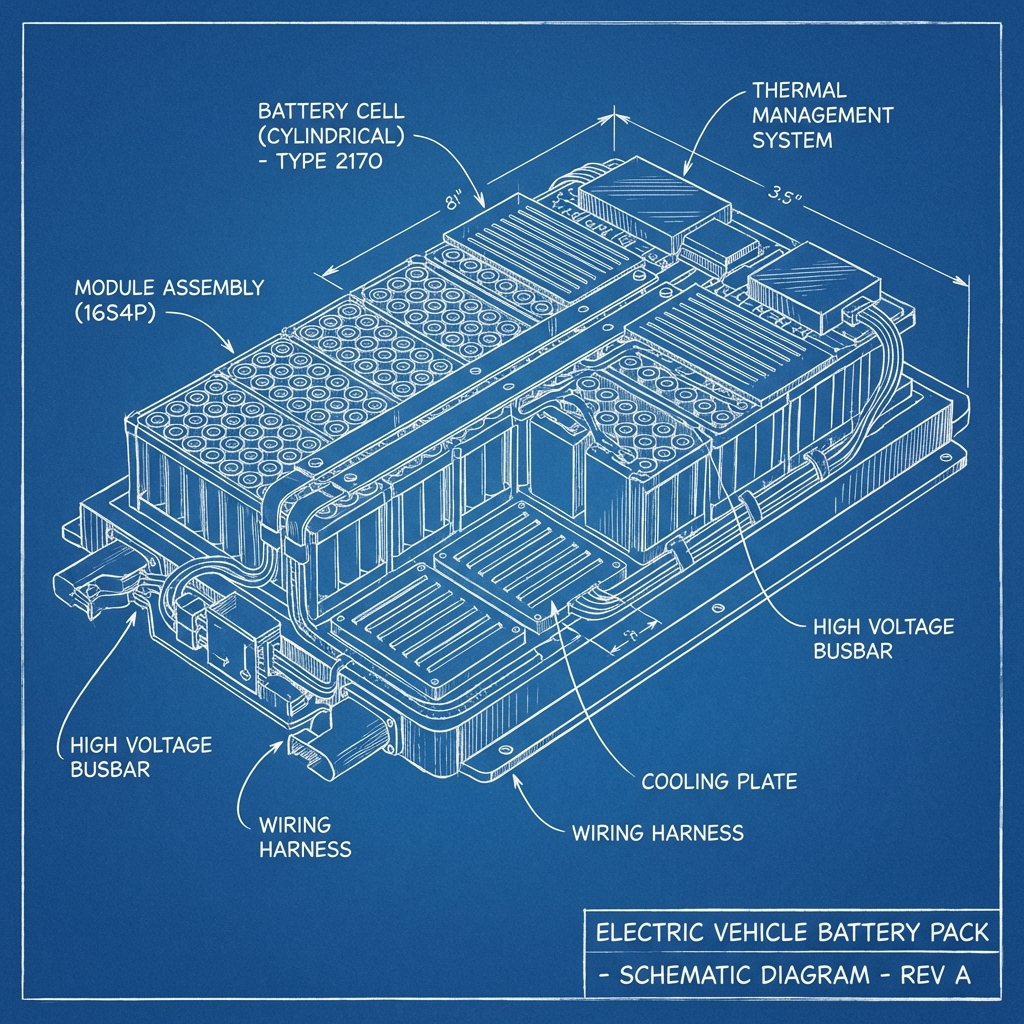
The Science of High Voltage Battery Replacement in Las Vegas
The high voltage battery pack in your BMW i3 is the heart of its electric powertrain, storing energy to drive the motor. In Las Vegas’s extreme 104°F heat, with over 210 sunny days annually, these batteries face accelerated wear due to thermal stress. This can reduce range and efficiency faster than in cooler climates.
Replacing this battery isn’t just swapping a part—it involves recalibrating the Battery Management System (BMS) to ensure proper cell balancing. Las Vegas drivers, especially those commuting on I-15 through the Strip, notice quicker degradation from constant stop-and-go strain. Our local expertise addresses these unique challenges.
Heat also impacts components like the onboard charger, which converts AC power to DC for charging. When overworked in Summerlin’s long commutes, it risks failure, compounding battery issues. We prioritize comprehensive diagnostics to catch these problems early.
Common Symptoms of Failure
Recognizing high voltage battery failure early can save Las Vegas drivers thousands. Here are key signs to watch for in your BMW i3:
- Reduced Driving Range: If a trip to Henderson now requires a mid-way charge, your battery capacity is declining.
- Warning Lights: Dashboard alerts like “Drivetrain Malfunction” signal high voltage system errors.
- Unusual Sounds: A faint humming or clicking from the battery area may indicate cell imbalance.
- Slow Charging: If charging at home near Red Rock Canyon takes longer, the onboard charger or battery may be failing.
These symptoms often worsen in Las Vegas’s desert heat, where thermal stress taxes the system. Don’t ignore these signs—delaying can lead to complete power loss on busy highways.
Diagnostic Steps: DIY vs Professional
Some BMW i3 owners in Las Vegas attempt DIY diagnostics using basic OBD scanners. While this can reveal generic codes, it misses specific high voltage battery errors unique to EVs. DIY risks misdiagnosis, especially without BMW ISTA software.
Professional diagnostics, however, use manufacturer-grade tools to assess cell health and BMS data. In Las Vegas’s harsh climate, where heat hides subtle issues, expert analysis is critical. Our team provides detailed reports you can trust.
Safety is another concern—high voltage systems carry life-threatening risks if mishandled. The NHTSA warns against untrained handling of EV batteries. Leave it to certified technicians to avoid costly mistakes.
OEM vs Aftermarket Parts for BMW i3
When replacing a high voltage battery pack, Las Vegas owners face a choice: OEM (Original Equipment Manufacturer) or aftermarket. OEM parts guarantee BMW-specific compatibility and often come with warranties. They’re pricier but ensure reliability on I-15’s demanding stretches.
Aftermarket options may save on EV battery replacement cost, but quality varies. A subpar battery could fail prematurely in Las Vegas’s heat, costing more long-term. We recommend OEM for peaceⅆ safety and advise consulting BMW USA for coverage details.
Consider a local case study: a Henderson driver opted for an aftermarket battery, only to face thermal runaway during a hot summer day near Lake Mead. The replacement failed under stress, costing $4,000 in emergency repairs. Stick with trusted parts to avoid such risks.
Future Prevention Tips
Preventing high voltage battery failure starts with regular maintenance. Schedule annual checks to monitor cell health, especially before long drives to Red Rock Canyon. Early detection saves thousands in repairs.
Avoid full discharges—keep your BMW i3 above 20% charge to reduce battery stress. In Las Vegas, where spontaneous trips to the Strip are common, plan charging stops. This habit extends battery life significantly.
Finally, park in shade or garages during 104°F summer days. Heat is the enemy of EV batteries, and minimizing exposure prevents thermal degradation. Small steps now ensure long-term reliability in Nevada’s climate.