The Science of Radiator and Condenser Fan Failure in Las Vegas
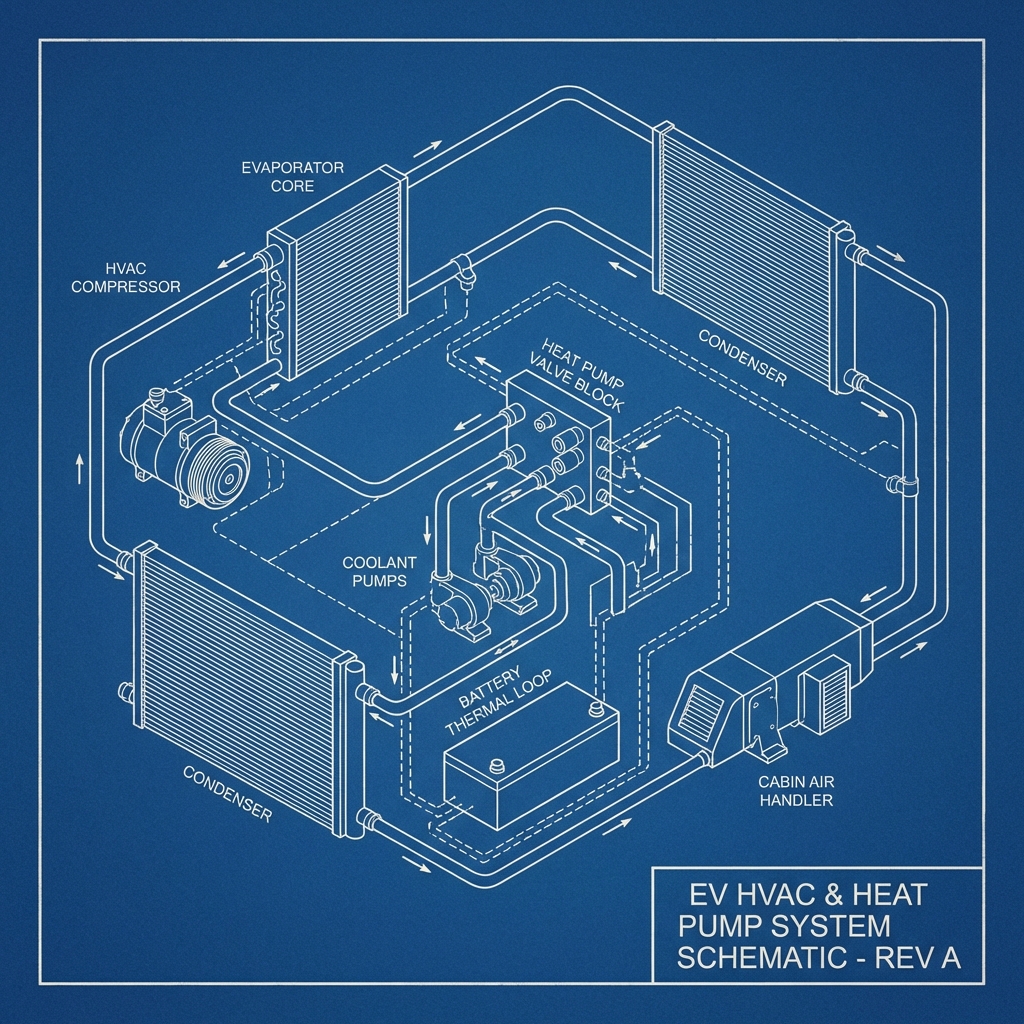
The radiator and condenser fans in your BMW i3 are vital for regulating the temperature of the electric motor and high-voltage battery systems. In Las Vegas’s 104°F heat, these fans work overtime to dissipate heat, especially during stop-and-go traffic on I-15 near the Strip. Without proper cooling, components can overheat, leading to reduced performance or total system failure.
The desert climate, with 210 sunny days per year, accelerates wear on fan motors and bearings, often causing loud EV fan noise as an early warning sign. Dust and debris from areas like Summerlin can clog fan assemblies, reducing airflow. This is a recipe for disaster in a city where cooling is non-negotiable.
Moreover, the BMW i3’s advanced cooling system relies on precise fan operation to protect expensive components like the battery cooling loop. Failure here can trigger cascading issues, costing thousands. Addressing fan problems early is critical in Nevada’s harsh conditions.
Common Symptoms of Failure
- Loud EV fan noise or grinding sounds from the front of the vehicle, indicating worn bearings or motor issues.
- Dashboard warning lights related to overheating or cooling system errors, often tied to the Electric Machine Electronics (EME) module.
- Reduced air conditioning performance, as the condenser fan struggles to cool the refrigerant in Las Vegas heat.
- Visible overheating during idle, especially in traffic near Downtown Las Vegas, with potential steam or high temperature readings.
Diagnostic Steps: DIY vs Professional
Diagnosing radiator and condenser fan failure starts with listening for loud EV fan noise or checking for dashboard alerts. DIY enthusiasts in Las Vegas can visually inspect for debris near the fan assembly, but deeper issues require tools like BimmerCode to read error codes.
Professional diagnostics are recommended due to the BMW i3’s complex electric systems. A certified technician can test fan relays and motor voltage, often identifying failures tied to the high-voltage cooling loop. In Henderson, where luxury vehicle repair shops are abundant, expert help is accessible.
Attempting repairs without proper tools risks further damage, especially to sensitive electronics. Given the safety implications, consult resources like NHTSA.gov for recall or safety information. Professionals ensure accurate fixes under Las Vegas’s extreme conditions.
OEM vs Aftermarket Parts for BMW i3
When considering radiator fan replacement for your BMW i3, choosing between OEM (Original Equipment Manufacturer) and aftermarket parts is crucial. OEM parts guarantee compatibility with the BMW i3’s cooling management system, ensuring optimal performance. They’re pricier but worth it for reliability in Las Vegas’s heat.
Aftermarket parts may save money upfront but often lack the precision fit for electric vehicle systems. In a city with 210 sunny days, a subpar fan could fail prematurely, leaving you stranded near Red Rock Canyon. Research via BMW USA Support for approved components.
Future Prevention Tips
Preventing radiator and condenser fan failure starts with regular maintenance, especially in Las Vegas’s desert climate. Schedule cooling system inspections biannually to catch issues before they escalate. Clean debris from the grille to maintain airflow, a must near dusty Summerlin trails.
Monitor for loud EV fan noise and address it promptly to avoid strain on the motor. Use only BMW-approved coolant to protect the system’s integrity. This is vital when driving on US-95 during peak heat hours.
A local case study highlights the importance of prevention: A Las Vegas driver near the Strip ignored early fan noise, leading to a $3,200 repair after overheating in traffic. Routine checks could have saved them. Stay proactive to avoid similar costly breakdowns in Nevada.