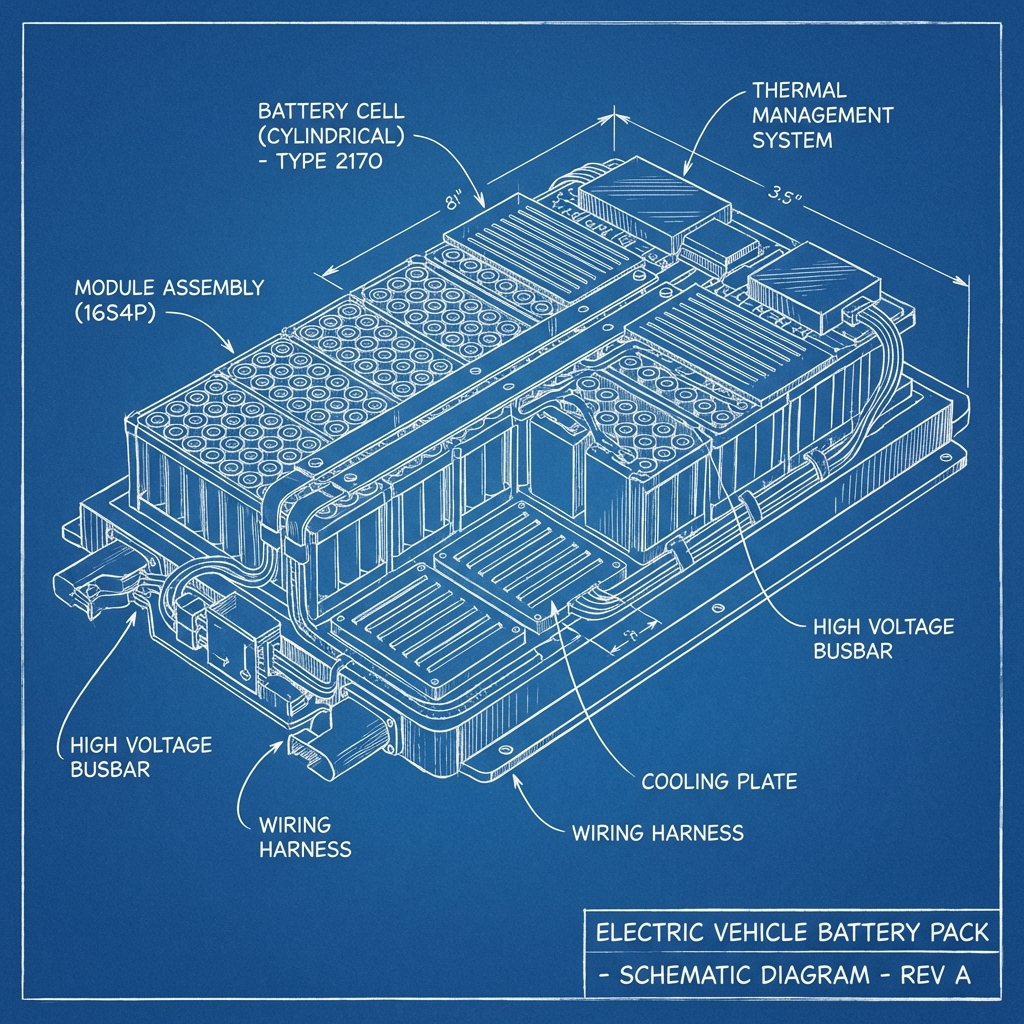
The Science of High Voltage Battery Replacement in Las Vegas
The high voltage battery pack in your Chevrolet Bolt EUV powers everything from acceleration to climate control, making it the heart of your electric vehicle. In Las Vegas’s extreme 104°F heat, thermal stress on lithium-ion cells accelerates degradation, reducing capacity faster than in milder climates. This is especially true during long drives on the I-15 near the Strip, where traffic jams amplify the strain.
Replacing this battery isn’t just about swapping parts; it involves recalibrating the Battery Energy Control Module (BECM) to ensure optimal performance. Las Vegas’s 210 sunny days per year mean your cooling system works overtime, and a failing battery can overheat other components like the onboard charger, which converts AC to DC for charging. Understanding this science helps explain why timely replacement is critical.
Common Symptoms of Failure
A failing high voltage battery in your Bolt EUV often shows clear warning signs. Ignoring these can leave you stranded on a hot day near Red Rock Canyon. Here are the most common symptoms:
- Reduced Driving Range: If your typical range drops significantly, even after a full charge, the battery cells may be degrading.
- Warning Lights or Errors: Dashboard alerts like “Service High Voltage System” often point to battery issues.
- Unusual Noises: A faint humming or clicking near the battery pack could indicate internal faults.
- Slow Charging: If charging takes longer than usual, the battery or onboard charger might be failing.
These issues worsen in Las Vegas’s desert climate, where heat amplifies stress on the system. Don’t ignore these signs—early diagnosis can save thousands.
Diagnostic Steps: DIY vs Professional
Diagnosing a high voltage battery issue starts with noticing symptoms like reduced range or warning lights. While a basic OBD-II scanner can read generic codes, DIY diagnostics often miss Bolt EUV-specific errors in the Battery Energy Control Module. Attempting this without proper tools can be risky, especially given safety concerns outlined by NHTSA.
Professional diagnostics, on the other hand, use GM-certified tools to pinpoint cell degradation or thermal management failures. In areas like Henderson, where long commutes are common, pros can also test under real-world heat stress. The investment in expert help often outweighs the risk of misdiagnosis.
OEM vs Aftermarket Parts for Chevrolet Bolt EUV
When replacing a high voltage battery pack, you’ll face a choice between OEM (Original Equipment Manufacturer) parts from GM and cheaper aftermarket options. OEM batteries ensure compatibility with the Bolt EUV’s dc-dc converter and onboard systems, but they often cost more. Aftermarket parts might save upfront costs but risk shorter lifespans in Las Vegas’s harsh climate.
A local case study in Summerlin showed a driver opting for aftermarket only to face failure within 18 months, costing an extra $3,000 in repairs. For reliability on highways like the 215 Beltway, OEM is often the safer bet. Check GM’s official support at Chevrolet Support for warranty details.
Future Prevention Tips
Preventing high voltage battery issues starts with regular maintenance tailored to Las Vegas’s desert conditions. Park in shaded areas or garages when possible, especially near heat traps like the Strip, to reduce thermal stress. This small habit can extend battery life significantly.
Monitor your coolant levels for the thermal management system, as Las Vegas’s heat can evaporate fluids faster. Avoid frequent fast-charging unless necessary, as it stresses cells over time. Finally, schedule annual diagnostics to catch issues before they escalate into costly EV battery replacement costs.