The Science of Battery Cell Module Repair in Las Vegas
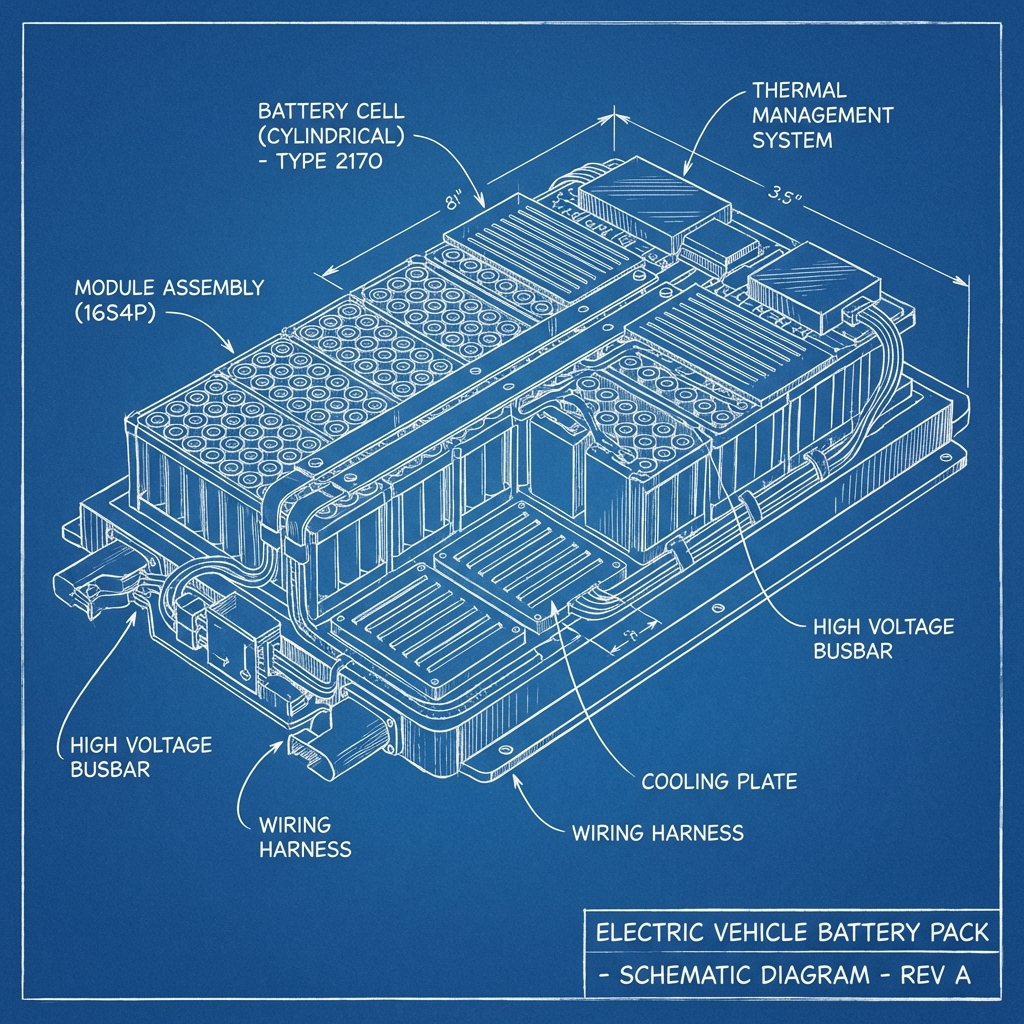
Battery cell module repair for the Chevrolet Bolt EV is a precise process that addresses individual cell failures within the high-voltage battery pack. Each module, part of a 96-cell system, must operate in harmony to deliver power efficiently. In Las Vegas’s extreme 104°F heat, thermal stress can cause uneven charging, leading to defective cells.
This isn’t just a technical issue—it’s a local one. Driving on Las Vegas Boulevard with constant stop-and-go traffic strains your EV’s battery, accelerating wear on weaker modules. Our team understands how Nevada’s desert climate compounds these problems, requiring specialized cooling system checks during repair.
The repair process involves isolating the faulty module using GM diagnostic tools, replacing it with an OEM part, and recalibrating the Battery Management System (BMS). With 210 sunny days a year, proactive maintenance in Las Vegas isn’t optional—it’s essential to avoid sudden breakdowns.
Common Symptoms of Failure
Recognizing the signs of a failing battery cell module can save you from costly repairs. Here are the most common symptoms Chevrolet Bolt EV owners in Las Vegas report:
- Reduced Range: Your EV struggles to maintain its usual mileage, especially on long drives to Red Rock Canyon.
- Warning Lights: Dashboard alerts like “Service Battery” or “Check Engine” appear frequently.
- Strange Noises: A faint humming or clicking from the battery pack area during charging.
- Charging Issues: Slow or incomplete charging, often worsened by extreme desert heat.
These symptoms often emerge during peak summer temperatures in Las Vegas, as heat stresses the battery. Ignoring them risks total power loss on busy highways like I-15.
Diagnostic Steps: DIY vs Professional
Diagnosing a battery cell module issue starts with noticing symptoms like reduced range or warning lights. While a basic OBD-II scanner can read generic codes, it won’t access the Chevrolet Bolt EV’s proprietary BMS data. This is where professional tools in Las Vegas shops shine.
DIY attempts often fall short due to the high-voltage risks involved—up to 400 volts in the Bolt EV pack. A single mistake can lead to injury or further damage, as noted by safety guidelines on NHTSA.gov. Professional diagnostics are non-negotiable for accurate results.
In neighborhoods like Summerlin, where EV adoption is high, our technicians use GM-specific software to pinpoint defective cells. This saves time and prevents unnecessary battery pack replacement costs of $8,000 or more.
OEM vs Aftermarket Parts for Chevrolet Bolt EV
When replacing a defective battery cell module, choosing between OEM (Original Equipment Manufacturer) and aftermarket parts is critical. OEM parts, sourced directly from Chevrolet, guarantee compatibility with the Bolt EV’s 96-cell architecture and BMS. They’re pricier but ensure long-term reliability.
Aftermarket options might save you upfront costs, but they often lack the precise voltage calibration needed. In Las Vegas’s harsh climate, a subpar part can fail faster, leaving you stranded near the Strip during peak tourist traffic.
We recommend OEM modules, backed by Chevrolet’s warranty, for peace of mind. Check official support at Chevrolet.com for recall or warranty details. Quality matters in a desert city with extreme conditions.
Future Prevention Tips
Preventing battery cell module issues starts with regular maintenance tailored to Las Vegas’s environment. Park in shaded areas or garages to minimize exposure to 104°F heat, which degrades cells over time. This is especially crucial near Henderson, where open lots dominate.
Schedule annual battery health checks, focusing on coolant levels and BMS updates. Desert dust can clog cooling vents, so keep your Bolt EV clean, especially after off-road trips near Red Rock Canyon.
Finally, avoid frequent fast-charging in extreme heat, as it stresses cells. A local case study from a Summerlin resident showed a 20% range improvement after switching to overnight Level 2 charging during cooler hours. Small habits make a big difference in Nevada.