The Science of High Voltage Battery Replacement in Las Vegas
The high voltage battery pack in your Chevrolet Bolt EV is the heart of its electric powertrain, storing energy to propel you through Las Vegas’s busy streets like Las Vegas Boulevard. In a city with 104°F summer heat and 210 sunny days a year, thermal stress can degrade battery cells faster than in cooler climates. This makes proactive care essential for local drivers.
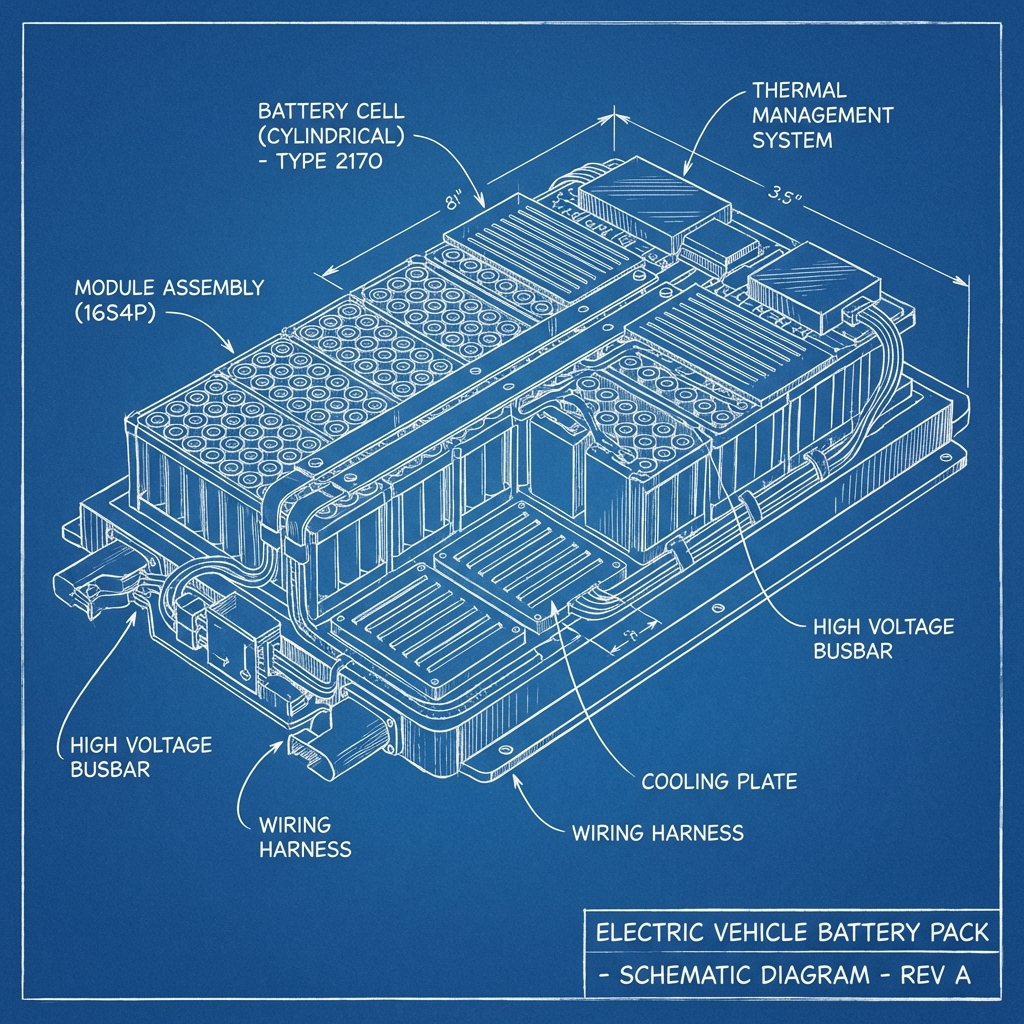
Battery replacement involves swapping out the entire pack, a complex unit weighing hundreds of pounds, located under the vehicle’s floor. Our Las Vegas technicians use GM-certified tools to safely handle high voltage systems, preventing risks like electrical shocks. Safety is critical, especially in a desert environment where heat exacerbates wear.
Beyond heat, stop-and-go traffic near the Las Vegas Strip forces frequent acceleration, draining battery capacity over time. We’ve seen countless Bolt EVs from Summerlin with premature degradation due to these conditions. Addressing issues early can save you from a $10,000 repair bill.
Common Symptoms of Failure
Recognizing high voltage battery failure in your Chevrolet Bolt EV can prevent costly breakdowns on I-15. Here are key symptoms to watch for in Las Vegas’s harsh driving conditions:
- Reduced Range: If your Bolt EV can’t make it from Henderson to Downtown without a charge, battery capacity may be declining.
- Charging Issues: Slow or incomplete charging, often tied to a failing onboard charger, is a red flag.
- Dashboard Errors: Look for warning messages like “Service High Voltage System” on your display.
- Unusual Sounds: Clicking or humming from under the vehicle could indicate a failing DC-DC converter affecting the 12-volt battery.
These signs often worsen in Las Vegas’s heat, where thermal stress pushes components to their limits. Don’t ignore them—schedule a diagnostic today.
Diagnostic Steps: DIY vs Professional
DIY diagnostics for a Chevrolet Bolt EV high voltage battery issue are risky due to the high voltage risks—up to 400 volts. In Las Vegas, attempting to probe the system yourself in a garage without proper insulation could be deadly. Leave it to certified pros with the right tools.
Professionals use GM-specific scanners to read Battery Management System (BMS) codes, pinpointing issues like cell imbalance or onboard charger failure. We also test the DC-DC converter, which supports the 12-volt battery for critical systems. This precision saves time and money.
A local case study: A driver from Henderson noticed range loss after frequent trips up Red Rock Canyon. Our diagnostic revealed thermal degradation, and a timely replacement avoided a full breakdown on a 110°F day. Trust experts for safety and accuracy—see official safety guidelines at nhtsa.gov.
OEM vs Aftermarket Parts for Chevrolet Bolt EV
When replacing a high voltage battery pack in Las Vegas, choosing between OEM (Original Equipment Manufacturer) and aftermarket parts is critical. OEM parts from Chevrolet ensure compatibility with your Bolt EV’s Battery Energy Control Module (BECM), but cost more—often $8,000 or higher. They’re ideal for warranty compliance.
Aftermarket options can save you up to 30%, but quality varies, and improper integration risks performance issues in Las Vegas’s extreme heat. We’ve seen aftermarket packs fail faster near Red Rock Canyon due to poor thermal management. Our team recommends OEM for reliability.
Always verify part sources—substandard components can void warranties or cause safety issues. Check Chevrolet’s official support at chevrolet.com/support for verified suppliers. We prioritize parts that withstand local conditions.
Future Prevention Tips
Preventing high voltage battery issues in your Chevrolet Bolt EV starts with mindful driving in Las Vegas. Avoid deep discharges by charging before the battery drops below 20%, especially during long trips on I-15. This reduces cell stress.
Park in shaded areas or garages to shield your vehicle from 104°F heat, which accelerates degradation. If you live in Summerlin, use community charging stations with shade when possible. Small habits extend battery life significantly.
Schedule annual battery health checks, especially before summer. Monitor the cooling system—low coolant can cause overheating, a major issue in our desert climate. With 210 sunny days yearly, proactive care keeps your Bolt EV running smoothly on Las Vegas roads.