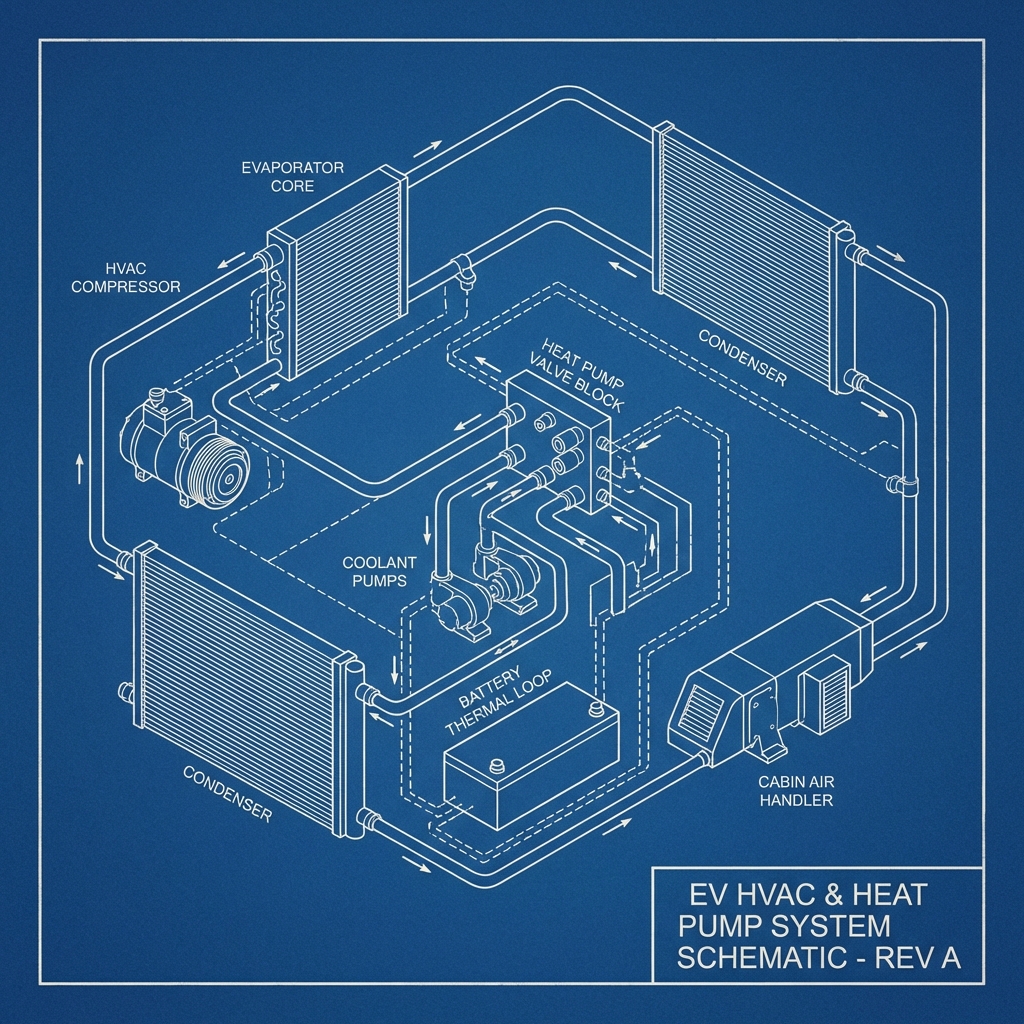
The Science of Coolant Pump Leaks in Las Vegas
In the Chevrolet Silverado EV, the coolant pump is a vital part of the thermal management system that keeps the high-voltage Ultium battery pack at safe operating temperatures. A leak in this system can disrupt cooling, leading to overheating risks that are amplified by Las Vegas’s brutal 104°F summers.
Driving through stop-and-go traffic on the Las Vegas Strip puts extra strain on the electric coolant pump as it cycles frequently to manage heat. This constant stress, combined with the desert’s dry air and dust, can degrade seals and hoses faster than in milder climates.
Common Symptoms of Failure
If your Silverado EV has a coolant pump leak, you’ll likely notice warning signs early if you’re attentive. Keep an eye out for dashboard warning lights related to battery temperature or cooling system errors.
Here are some specific symptoms to watch for:
- Low Coolant Warning: A message or light on your dashboard indicating low fluid levels.
- Unusual Humming or Whining: A failing pump may produce odd sounds near the battery compartment.
- Visible Puddles: Green or orange coolant pooling under your vehicle after parking.
- Overheating Alerts: Notifications of high battery temperatures, especially after driving on I-15.
These symptoms can escalate quickly in Las Vegas’s heat, so don’t delay inspection if you notice them.
Diagnostic Steps: DIY vs Professional
You can start with a basic visual inspection by checking under your Silverado EV for coolant puddles, especially after parking near Red Rock Canyon on a hot day. Look for residue or wet spots near the battery pack area, but avoid touching high-voltage components.
For a deeper diagnosis, a pressure test is needed to pinpoint leaks in hoses or the pump itself. This requires specialized tools and expertise, so visiting a certified technician in Henderson is often the safest bet for accurate results.
DIY checks can save time, but mishandling EV systems poses safety risks. According to NHTSA guidelines, high-voltage systems should only be serviced by trained professionals.
OEM vs Aftermarket Parts for Chevrolet Silverado EV
When repairing a coolant pump leak, choosing between OEM (Original Equipment Manufacturer) and aftermarket parts is critical. OEM parts, sourced directly from GM, ensure compatibility with the Silverado EV’s Ultium platform and come with a warranty, though they’re pricier.
Aftermarket options may be cheaper, but they risk poor fitment or reduced durability, especially under Las Vegas’s extreme conditions. For long-term reliability, most experts recommend sticking with OEM components for critical systems like cooling.
Check with local dealers or shops in Summerlin for genuine GM parts to avoid future headaches. A small upfront investment can prevent costly failures down the road.
Future Prevention Tips
To avoid coolant pump leaks in your Silverado EV, schedule regular coolant checks every 6 months, especially before summer hits Las Vegas. The desert’s 210 sunny days can evaporate fluids faster, so staying proactive is key.
Also, inspect hoses for cracks or wear during routine maintenance, as dry heat can degrade rubber over time. Park in shaded areas when possible to reduce thermal stress on components.
Lastly, consider a local case study: A Henderson resident driving daily on I-15 noticed a minor leak during a routine oil change. Quick action saved their battery pack from a $4,000 repair, proving that early detection in Las Vegas’s harsh climate can save thousands. For more on EV maintenance, refer to Chevrolet’s official support page.