The Science of Battery Cell Module Repair in Las Vegas
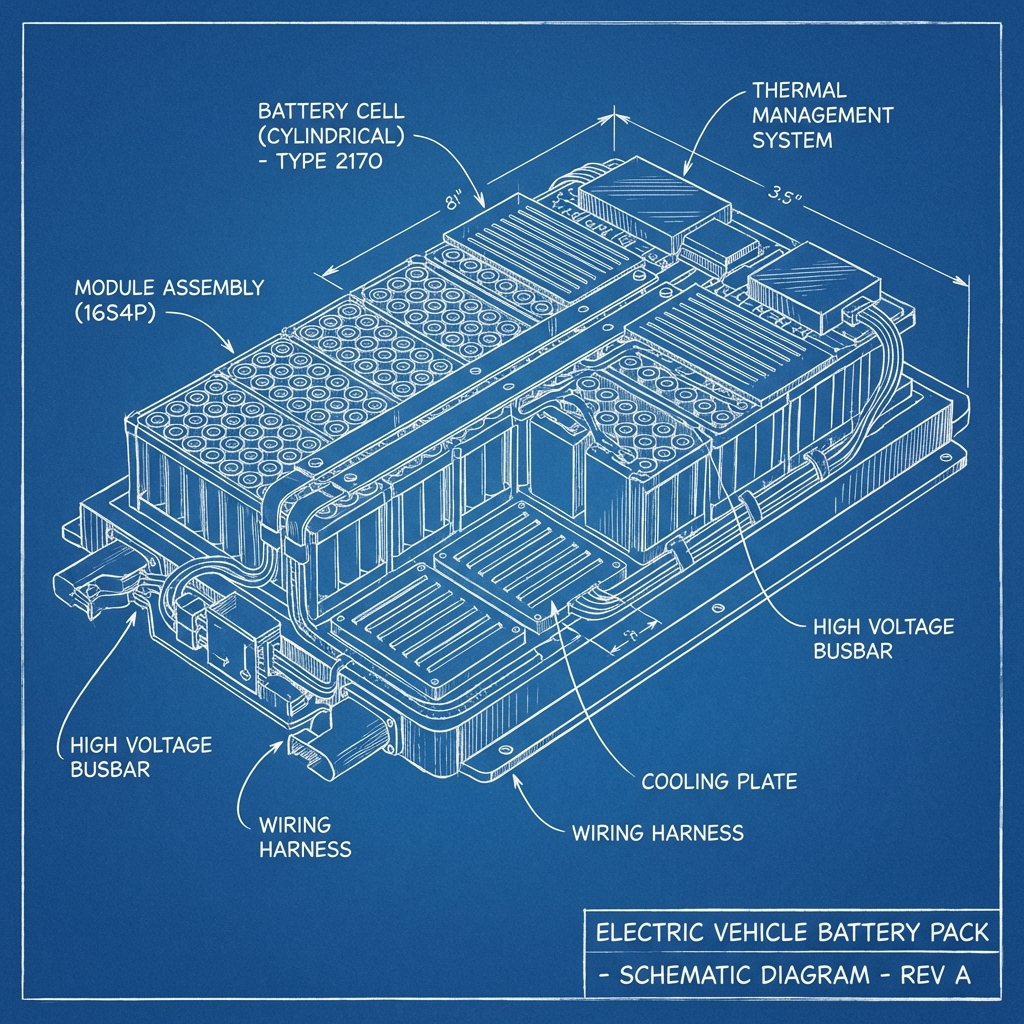
The Chevrolet Volt’s battery cell modules are the heart of its hybrid system, storing and delivering energy for electric driving. In Las Vegas, where temperatures soar to 104°F for much of the year, these modules face extreme thermal stress, accelerating wear and tear. Understanding this science is key to maintaining your vehicle.
Each module consists of individual cells that must balance voltage perfectly. When one fails, it disrupts the entire Battery Energy Control Module (BECM), reducing range and power. Las Vegas’s 210 sunny days annually intensify this risk, making regular checks vital.
Repair involves isolating the high-voltage system, identifying defective cells with precision tools, and replacing them with OEM-compatible parts. For drivers near Summerlin, where long commutes on the I-15 are common, this repair ensures reliability. Don’t ignore early warning signs in this harsh climate.
Common Symptoms of Failure
Recognizing battery cell module issues early can save you thousands in repairs. Here are key symptoms Chevrolet Volt owners in Las Vegas should watch for:
- A noticeable reduction in electric range, especially during stop-and-go traffic on Las Vegas Boulevard.
- Dashboard error messages related to the hybrid system, often indicating ‘Service High Voltage System.’
- Unusual whining or humming noises from the battery pack under the rear seat.
- Sudden power loss or vehicle stalling, a dangerous issue when navigating busy areas like the Strip.
These symptoms often worsen in Las Vegas’s extreme heat, as thermal stress damages cells faster. Act quickly to avoid being stranded.
Diagnostic Steps: DIY vs Professional
Diagnosing a battery cell module issue in a Chevrolet Volt requires specialized tools and expertise. While DIY enthusiasts might use a basic OBD-II scanner, these tools rarely access the high-voltage system data needed for accurate diagnosis. In Las Vegas, professional help is often the safer choice.
Professionals use advanced scan tools to read Battery Management System (BMS) codes, pinpointing exact cell failures. Attempting DIY repairs risks electrical shock, especially without proper training. For Henderson residents facing long drives, expert diagnostics prevent costly mistakes.
Safety is paramount—high-voltage systems are dangerous without proper gear. Visit a certified shop to ensure accurate EV battery module repair. Don’t gamble with your safety on Las Vegas roads.
OEM vs Aftermarket Parts for Chevrolet Volt
When replacing battery cell modules, choosing between OEM (Original Equipment Manufacturer) and aftermarket parts is critical. OEM parts guarantee compatibility with the Chevrolet Volt’s Battery Energy Control Module, ensuring long-term reliability. They’re often pricier but worth it for peace of mind.
Aftermarket options may save money upfront but risk voltage imbalances that can damage the system. For Las Vegas drivers near Red Rock Canyon, where steep climbs stress batteries, OEM is the safer bet. Don’t compromise on quality in this extreme environment.
Always verify part sourcing with your technician. Reputable shops provide transparency on defective cell replacement components. Protect your investment with trusted solutions.
Future Prevention Tips
Preventing battery cell module issues starts with regular maintenance tailored to Las Vegas’s unique conditions. Park in shaded areas or garages, especially in neighborhoods like Spring Valley, to shield your Chevrolet Volt from 104°F heat exposure. Heat is a battery’s worst enemy.
Schedule annual inspections of your cooling system, as coolant degradation can lead to thermal runaway risks. This is critical during Las Vegas summers. Keep coolant levels topped up to protect cells.
Avoid frequent full discharges of your battery, as this strains modules over time. For safety data, refer to NHTSA guidelines on hybrid vehicle care. Drive smart on local highways like the I-15.
Finally, consider a local case study: A Henderson driver noticed reduced range after commuting daily in 104°F heat near the Las Vegas Strip. An early inspection revealed a single failing cell module, repaired for $1,200 instead of a $10,000 full pack replacement. Proactive care saved them thousands—follow their lead.