The Science of Onboard Charger Failure in Las Vegas
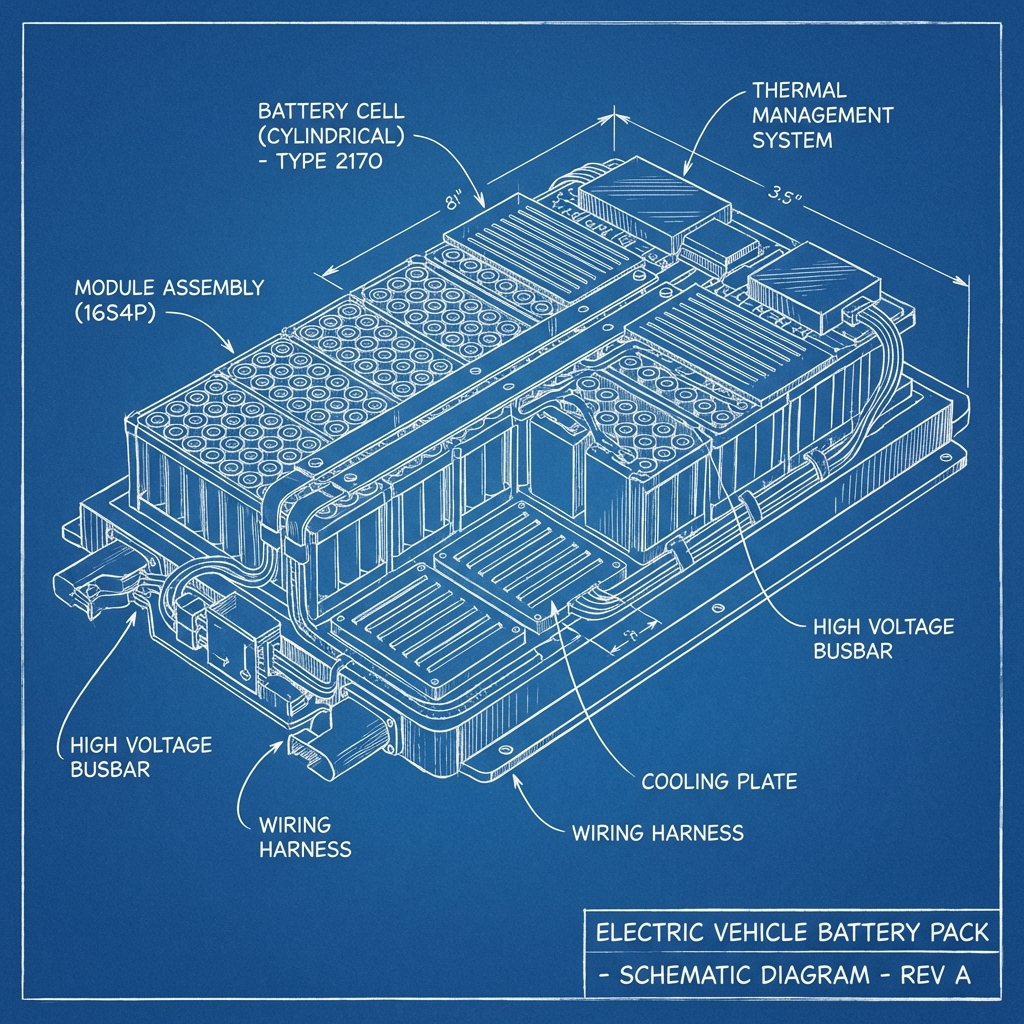
The onboard charger in your Chevrolet Volt is the heart of its charging system, converting AC power from your home or public station into DC power to charge the high-voltage battery. In Las Vegas’s extreme 104°F heat, this component faces constant thermal stress, especially during the 210 sunny days each year. Overheating can degrade internal circuits, leading to failure.
Driving on Las Vegas Boulevard with frequent stops near the Strip adds another layer of strain as the system cycles on and off. Thermal management becomes critical, and a failing cooling system can push the onboard charger past its limits. If your EV won’t charge at home, this could be the root cause.
Common Symptoms of Failure
Recognizing onboard charger failure early can save you thousands in repairs. Here are the most common signs Chevrolet Volt owners in Henderson and beyond report:
- Charging Errors: A ‘Check Engine’ light or specific error message like ‘Unable to Charge’ on the dashboard.
- Slow or No Charging: Your EV won’t charge at home, even after hours plugged in.
- Unusual Sounds: A high-pitched whine or buzzing from the onboard charger compartment under the hood.
- 12v Battery Issues: Dim lights or sluggish electronics, as the dc-dc converter struggles without proper charging input.
These symptoms often worsen in Las Vegas’s desert climate, where heat amplifies electrical strain. Don’t ignore them—schedule a diagnostic today.
Diagnostic Steps: DIY vs Professional
Some Chevrolet Volt owners attempt DIY diagnostics using basic OBD-II scanners to read error codes like P0D26. While this can point to onboard charger issues, it’s only a starting point. The high-voltage system is complex and dangerous without proper training.
In Summerlin, where long commutes and heat are daily realities, professional diagnostics are worth the investment. Technicians use GM-specific tools to test the dc-dc converter and 12v battery interaction, ensuring an accurate diagnosis. Safety is paramount—high-voltage systems pose risks of severe injury or death without proper handling, as noted by NHTSA safety guidelines.
OEM vs Aftermarket Parts for Chevrolet Volt
When replacing an onboard charger, you’ll face a choice: OEM (original equipment manufacturer) or aftermarket parts. OEM parts for the Chevrolet Volt are designed to exact GM specifications, ensuring compatibility with the hybrid system. They often come with warranties but at a higher cost.
Aftermarket options may be cheaper, but they risk poor integration with the Volt’s unique powertrain. In Las Vegas, where reliability is critical on highways like US-95, we recommend OEM for long-term performance. Check with Chevrolet Support for certified parts availability.
Future Prevention Tips
Preventing onboard charger failure starts with regular maintenance tailored to Las Vegas conditions. Park in shaded areas or garages to reduce heat exposure, especially near Red Rock Canyon where temperatures soar. Heat is the enemy of electrical components.
Schedule annual coolant checks for the battery thermal management system—dry desert air accelerates evaporation. Avoid frequent fast-charging in extreme heat, as it stresses the system. Finally, monitor charging habits; if your EV won’t charge at home, don’t delay a diagnostic.
A local case study in Henderson highlights the stakes: a Volt owner ignored slow charging during a scorching summer, leading to a complete onboard charger failure on I-15. Stranded in 104°F heat, they faced a $3,200 repair bill plus towing. Proactive care could have saved them thousands.