The Science of Wiring Harness Damage Repair in Las Vegas
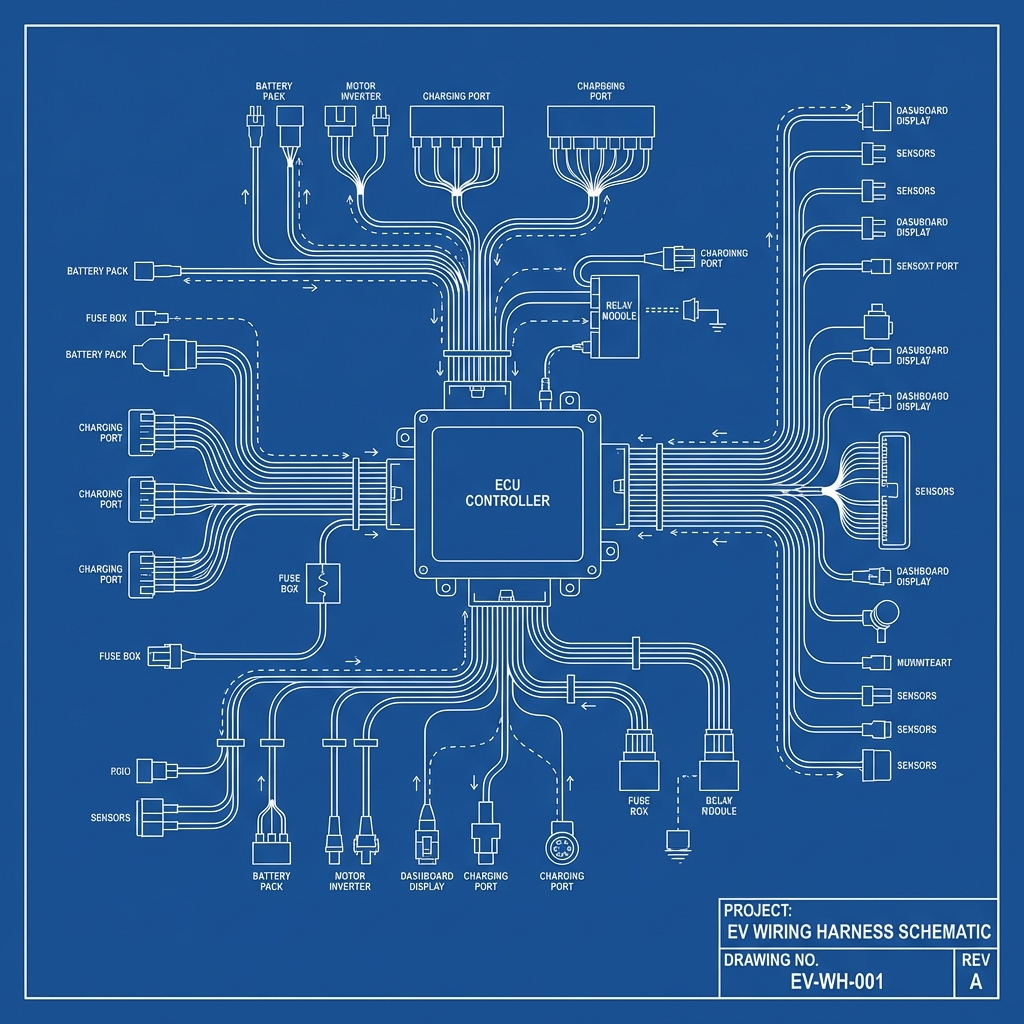
Wiring harness damage in a Chevrolet Volt is a serious issue, especially in Las Vegas, where extreme 104°F heat and 210 sunny days a year degrade insulation over time. The wiring harness acts as the nervous system of your hybrid, connecting vital components like the onboard charger, which converts AC power to charge your battery, and the dc-dc converter, which steps down high voltage to power the 12V battery for accessories.
Driving on I-15 during rush hour with constant braking and acceleration puts additional strain on these electrical systems. Heat and vibration can cause cracked insulation or rodent damage, a common issue in desert areas near Summerlin. If ignored, this can lead to short circuits or complete system failures.
Common Symptoms of Failure
Recognizing the signs of wiring harness damage in your Chevrolet Volt can save you from expensive repairs. Here are key symptoms to watch for in Las Vegas’s harsh climate:
- Dashboard Warning Lights: Errors related to the hybrid system or charging may illuminate, often tied to onboard charger issues.
- Intermittent Power Loss: Sudden drops in power while driving near Flamingo Road could indicate a failing dc-dc converter connection.
- Clicking or Buzzing Sounds: Unusual noises from the engine bay may signal electrical arcing due to damaged wires.
- Charging Failures: If your Volt won’t charge properly, the wiring to the onboard charger might be compromised.
These symptoms are often worsened by desert dust and heat exposure, especially during long drives to Red Rock Canyon. Don’t ignore them—early action prevents bigger issues.
Diagnostic Steps: DIY vs Professional
Diagnosing wiring harness damage in a Chevrolet Volt requires precision, especially with high-voltage systems at play. A DIY approach might involve visually inspecting for chewed wires or using a basic multimeter, but this risks missing deeper issues in the onboard charger circuit.
Professional diagnostics, however, use GM-specific tools to scan for error codes and test voltage across the dc-dc converter and 12V battery systems. In Las Vegas, where extreme heat hides subtle damage, our technicians ensure no issue is overlooked. For safety, always consult a pro—high-voltage risks are real, as noted by NHTSA safety guidelines.
OEM vs Aftermarket Parts for Chevrolet Volt
When repairing wiring harness damage, choosing between OEM (Original Equipment Manufacturer) and aftermarket parts is critical for your Chevrolet Volt. OEM parts, sourced directly from GM, ensure compatibility with the onboard charger and dc-dc converter, maintaining hybrid efficiency.
Aftermarket options might be cheaper, but they often lack the durability needed for Las Vegas’s desert heat. A local case study of a Volt owner in Henderson showed aftermarket wiring failing within a year, costing double in repeat repairs. Stick with OEM for reliability, as supported by Chevrolet’s official support.
Future Prevention Tips
Preventing wiring harness damage in your Chevrolet Volt is possible with proactive care tailored to Las Vegas conditions. Park in shaded areas or garages, especially during 104°F summer days, to reduce heat stress on wiring near the 12V battery.
Install rodent deterrents like wire wraps or repellents, crucial in desert-adjacent areas like Summerlin where wildlife is active. Regularly inspect under your Volt for signs of chewing or nesting, especially after drives near Lake Mead.
Finally, schedule annual electrical system checks with a certified technician to catch early wear. Las Vegas’s dry, dusty air can accelerate degradation, so don’t skip maintenance. A small investment now saves thousands later.