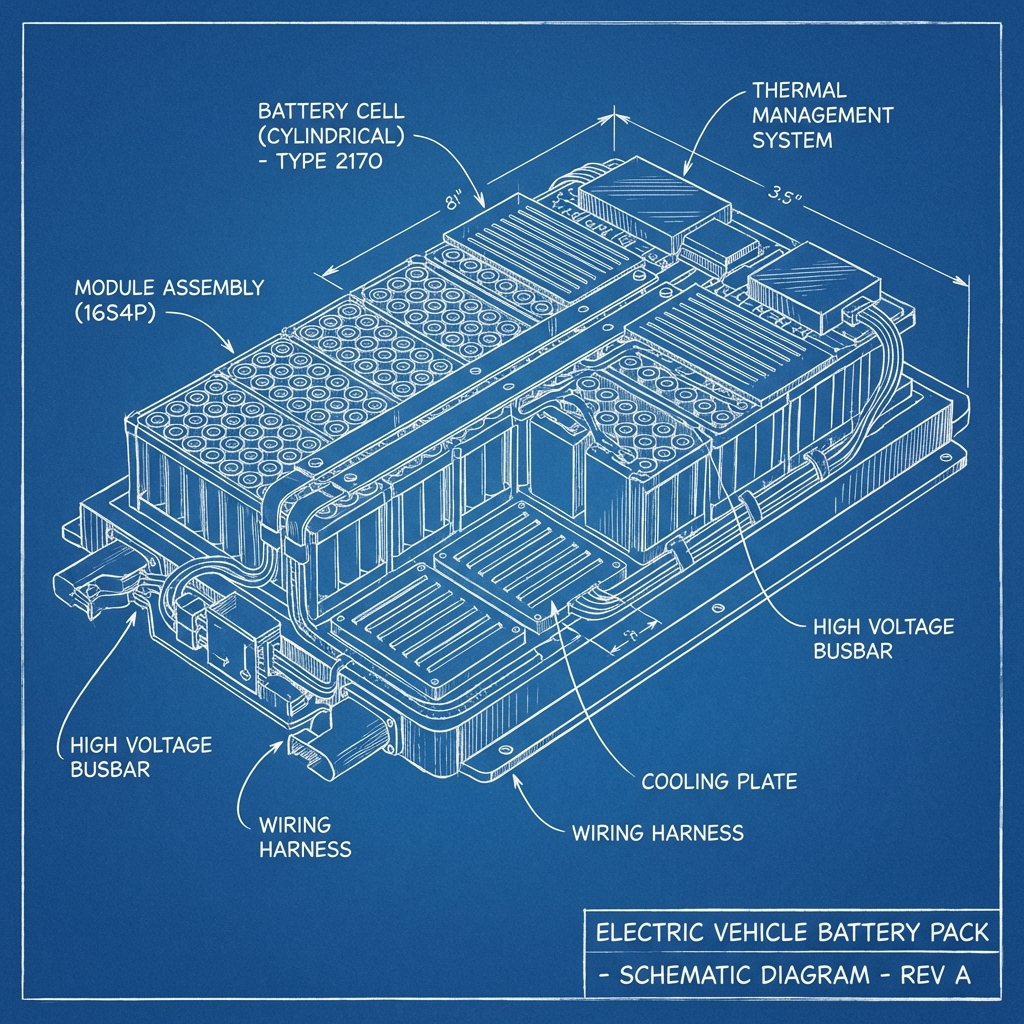
The Science of Battery Cell Module Repair in Las Vegas
The Hyundai Ioniq 5 relies on a sophisticated battery pack composed of individual cell modules to power its electric drivetrain. When one module fails, it disrupts the entire system, causing reduced range and potential power loss. In Las Vegas, where temperatures soar to 104°F, the thermal stress on these cells is amplified, speeding up degradation.
Repairing a defective cell involves isolating the high-voltage system and replacing the faulty unit with precision. Our technicians in Las Vegas understand how desert heat impacts the Ioniq 5’s 800V architecture, ensuring repairs address both the symptom and the cause. Driving near the Strip with a compromised battery is a risk you can’t afford.
Common Symptoms of Failure
Noticing issues with your Hyundai Ioniq 5? A failing battery cell module often presents clear warning signs that shouldn’t be ignored. Here’s what to watch for in Las Vegas’s harsh conditions:
- Sudden Range Drop: Your EV can’t maintain its usual distance, especially on long drives to Henderson.
- Dashboard Warning Lights: Errors like ‘Check EV System’ illuminate, signaling a cell imbalance.
- Unusual Sounds: A faint humming or clicking from the battery pack during charging.
- Charging Issues: Slow or incomplete charging, often worsened by extreme heat near Summerlin.
These symptoms can escalate quickly on busy roads like I-15, where a power failure could leave you stranded. Act fast to avoid safety risks.
Diagnostic Steps: DIY vs Professional
Diagnosing a battery cell module issue in your Hyundai Ioniq 5 isn’t a simple task. DIY attempts often involve checking for error codes with a basic OBD-II scanner, but these tools can’t access the Battery Management System (BMS) data needed for accuracy. In Las Vegas, extreme heat conditions complicate even basic checks.
Professional diagnostics, on the other hand, use Hyundai-specific software to pinpoint the defective cell. Our shop near Paradise employs certified technicians who interpret voltage imbalances with precision. Don’t risk a misdiagnosis—trust experts to save time and money.
Attempting DIY repairs on a high-voltage system also poses safety hazards. The National Highway Traffic Safety Administration (nhtsa.gov) warns of electrical shock risks without proper training. Leave it to professionals in Las Vegas who know the stakes.
OEM vs Aftermarket Parts for Hyundai Ioniq 5
When replacing a battery cell module, choosing between OEM (Original Equipment Manufacturer) and aftermarket parts is critical. OEM parts, sourced directly from Hyundai, guarantee compatibility with the Ioniq 5’s unique 800V system and come with a manufacturer warranty. They’re the safer bet for Las Vegas drivers tackling Red Rock Canyon’s climbs.
Aftermarket options might be cheaper upfront, but they often lack the quality assurance needed for long-term reliability. A subpar cell can fail under thermal stress, costing more in the long run. We recommend OEM for peace of mind on I-15 commutes.
Consider a local case study: A Summerlin driver opted for an aftermarket module to save $300 but faced a complete failure within six months due to heat exposure. The total cost to replace the entire pack exceeded $8,000. Learn from this—invest in quality from the start.
Future Prevention Tips
Preventing battery cell module issues in your Hyundai Ioniq 5 starts with proactive care, especially in Las Vegas’s extreme climate. Park in shaded areas or garages when possible to reduce heat exposure near the Strip. Direct sunlight on 210 sunny days a year can degrade cells faster.
Regularly monitor your EV’s charging habits and avoid frequent fast-charging, which stresses cells under high temperatures. Schedule annual inspections with a certified shop to catch voltage imbalances early. Our team near Henderson can help with this.
Finally, keep an eye on Hyundai’s official updates at (hyundaiusa.com) for software patches that optimize battery performance. Combining these habits ensures your Ioniq 5 thrives on Las Vegas roads like I-15, no matter the desert heat.