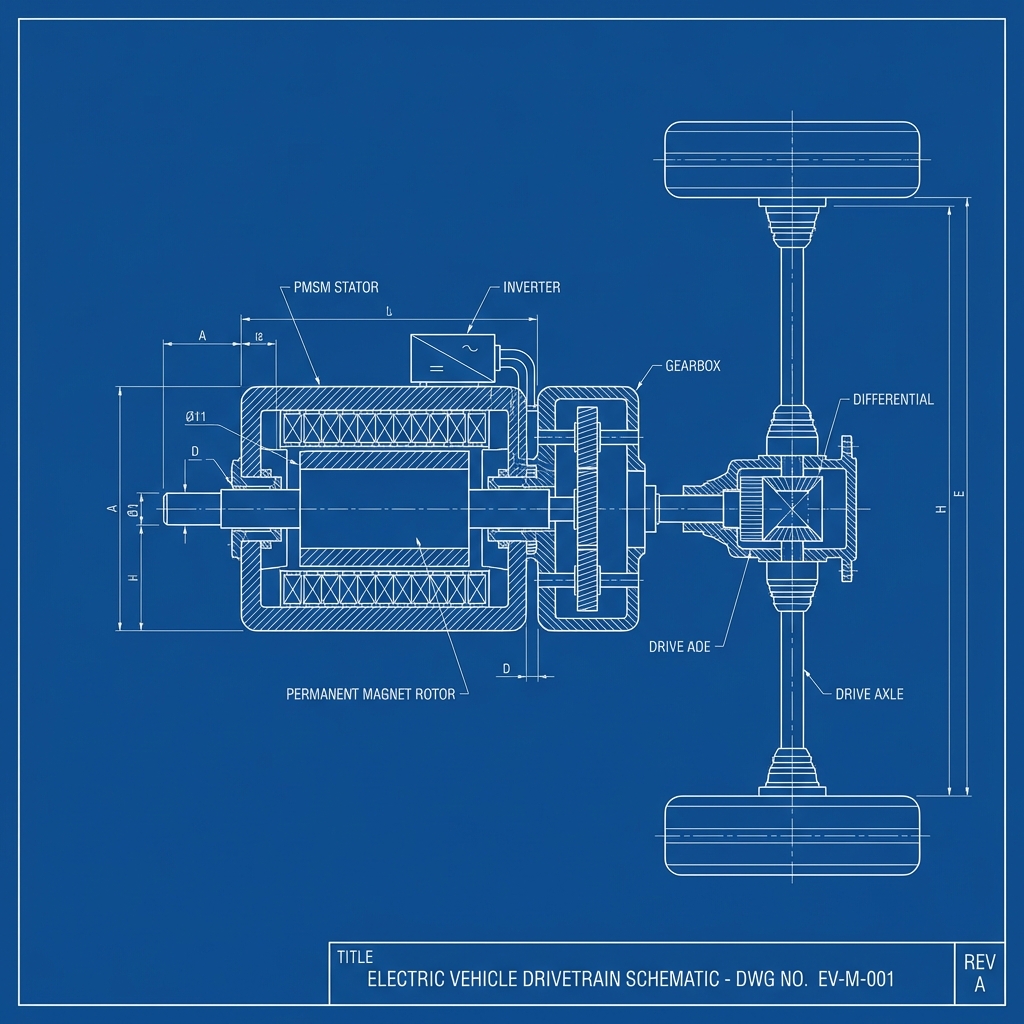
The Science of Drive Unit and Electric Motor Failure in Las Vegas
The Hyundai Ioniq 6 is a cutting-edge electric vehicle, but its drive unit and electric motor face unique challenges in Las Vegas’s extreme environment. With average highs of 104°F and 210 sunny days per year, the desert heat puts immense stress on these components, accelerating wear on bearings and windings. Add in the stop-and-go traffic on the I-15 near the Strip, and you’ve got a recipe for overheating.
The drive unit, which integrates the motor, inverter, and gears, transfers power to the wheels, but thermal stress from Las Vegas’s climate can degrade its efficiency. Dust and debris from desert winds near Henderson can also infiltrate seals, causing mechanical issues. If you frequently drive through these conditions, failure isn’t just possible—it’s probable.
Common Symptoms of Failure
Recognizing the signs of drive unit failure or electric motor issues in your Hyundai Ioniq 6 can save you from costly repairs. Here are the most common symptoms Las Vegas drivers report:
- EV motor noise like whining or grinding during acceleration, especially on highways like the I-215 Beltway.
- Power loss or hesitation when climbing inclines near Red Rock Canyon.
- Dashboard warnings indicating traction control or powertrain faults.
- Vibrations felt through the steering wheel, signaling internal drive unit damage.
If you notice these issues, don’t ignore them—Las Vegas’s harsh conditions can turn a minor problem into a major breakdown. A quick diagnostic can prevent being stranded in the desert outskirts.
Diagnostic Steps: DIY vs Professional
Diagnosing drive unit replacement needs starts with listening for unusual EV motor noise or checking for power dips. At home, Las Vegas drivers can inspect for visible leaks under the vehicle, but extreme heat means you should work in a shaded garage. DIY scanning with an OBD-II tool can reveal basic error codes, but it’s limited.
Professional diagnostics, however, use Hyundai-specific software to pinpoint electric motor faults or inverter issues. In Las Vegas, where labor rates are $140–$180/hr due to high demand, it’s worth the cost for accuracy. Safety risks are real—check recalls on NHTSA.gov before driving with suspected issues.
OEM vs Aftermarket Parts for Hyundai Ioniq 6
When replacing a drive unit or electric motor, choosing between OEM (original equipment manufacturer) and aftermarket parts is critical. OEM parts, sourced from Hyundai, ensure compatibility with the Ioniq 6’s E-GMP platform, but they’re pricier—often $4,000 or more. They’re ideal for maintaining warranty coverage.
Aftermarket options might save you 20-30% upfront, but quality varies, and they can void warranties. In Las Vegas’s heat, inferior parts fail faster, especially on long drives through Summerlin. Stick with OEM for reliability, or consult Hyundai’s support at HyundaiUSA.com.
Future Prevention Tips
Preventing drive unit failure in Las Vegas starts with regular maintenance tailored to the desert climate. Schedule cooling system checks every 6 months to combat 104°F heat—overheating is a top cause of motor stress. Avoid aggressive driving on the I-15 during rush hour to reduce strain.
A local case study in North Las Vegas showed a driver’s motor failing after neglecting coolant levels during a 110°F heatwave. Their $5,000 repair could’ve been avoided with a $100 inspection. Park in shade, monitor dashboard alerts, and service your Hyundai Ioniq 6 proactively to avoid similar costly breakdowns.