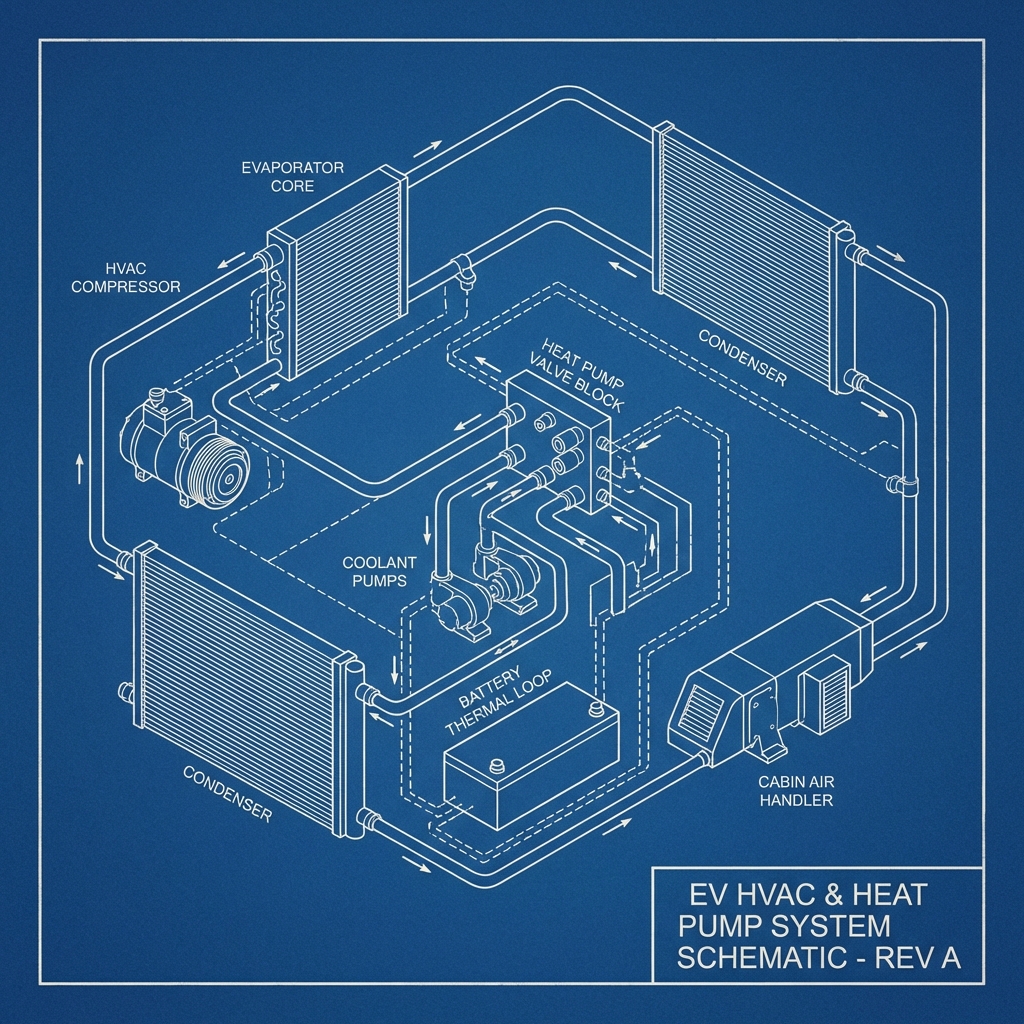
The Science of Heat Pump and AC Compressor Failure in Las Vegas
The Hyundai Ioniq 6’s heat pump and AC compressor are vital for regulating cabin temperature, especially in Las Vegas’s extreme 104°F heat. These components work together to transfer heat out of the car, but the desert climate, with 210 sunny days annually, forces them into overdrive. This constant strain can lead to mechanical fatigue or electrical failure over time.
Driving on I-15 near the Strip, where stop-and-go traffic is notorious, exacerbates the issue as the system struggles with inconsistent cooling demands. The heat pump, which also manages battery temperature, can overheat if coolant levels drop. This is a common issue in Las Vegas’s dry air, accelerating wear on seals and gaskets.
Moreover, the high-voltage architecture of the Ioniq 6 means even minor failures can trigger error codes, shutting down cooling entirely. Ignoring early signs risks not just discomfort but also damage to related systems like the onboard charger, which helps manage power distribution. Repairs in Las Vegas often cost more due to specialized labor at $140–$180/hr.
Common Symptoms of Failure
Recognizing the signs of heat pump or AC compressor failure in your Hyundai Ioniq 6 can save you from costly repairs. Here are the most common symptoms to watch for in Las Vegas’s harsh climate:
- Weak or No Cooling: If your cabin feels warm despite the AC running, the compressor may be failing.
- Unusual Noises: Listen for grinding or hissing sounds from under the hood, often a sign of heat pump strain.
- Error Messages: Dashboard alerts related to climate control or battery temperature often indicate system issues.
- Inconsistent Performance: Cooling that cuts in and out, especially on I-215 near Henderson, points to electrical or mechanical faults.
These symptoms worsen in Summerlin’s hot summers, where long drives in traffic push the system to its limits. Early diagnosis prevents total failure and keeps you comfortable.
Diagnostic Steps: DIY vs Professional
Diagnosing heat pump or AC compressor issues in your Hyundai Ioniq 6 starts with basic checks. At home, inspect for visible leaks under the car or listen for odd noises during operation. However, DIY diagnostics are limited without specialized tools.
A professional in Las Vegas can use an OBD-II scanner to read specific error codes tied to the Ioniq 6’s climate system. They’ll also test compressor pressure and coolant levels, critical in desert heat. Expect to pay $140–$180/hr for this expertise locally.
While DIY saves money upfront, misdiagnosis risks further damage to the dc-dc converter, which regulates power to the 12v battery. For safety, consult a certified EV technician, especially given risks noted by NHTSA around high-voltage systems.
OEM vs Aftermarket Parts for Hyundai Ioniq 6
When replacing a failed heat pump or AC compressor in your Hyundai Ioniq 6, choosing between OEM (Original Equipment Manufacturer) and aftermarket parts is critical. OEM parts, sourced from Hyundai, ensure compatibility with the car’s high-voltage system but cost more—often $1,500 or higher.
Aftermarket options are cheaper, sometimes under $800, but may lack the durability needed for Las Vegas’s extreme temperatures. A poorly matched part can strain the onboard charger, risking electrical failures. In areas like North Las Vegas, where long commutes are common, reliability matters.
Experts recommend OEM for critical components, as noted on Hyundai’s support page. The upfront cost saves money long-term by preventing repeat repairs.
Future Prevention Tips
Preventing heat pump and AC compressor failure in your Hyundai Ioniq 6 starts with regular maintenance,the routine checks. In Las Vegas, schedule cooling system inspections biannually, especially before summer hits with 104°F highs. Focus on coolant levels and filter cleanliness.
Park in shade whenever possible, especially near Red Rock Canyon visitor areas, to reduce cabin heat buildup. Avoid idling in traffic on I-15 with AC at full blast for extended periods—cycle it to ease compressor strain.
A local case study from Henderson illustrates the stakes: a driver ignored early grinding noises during a summer commute, leading to a $3,200 compressor replacement. Routine care, even at Las Vegas’s $140–$180/hr labor rates, would’ve cost a fraction. Stay proactive to avoid similar financial hits.