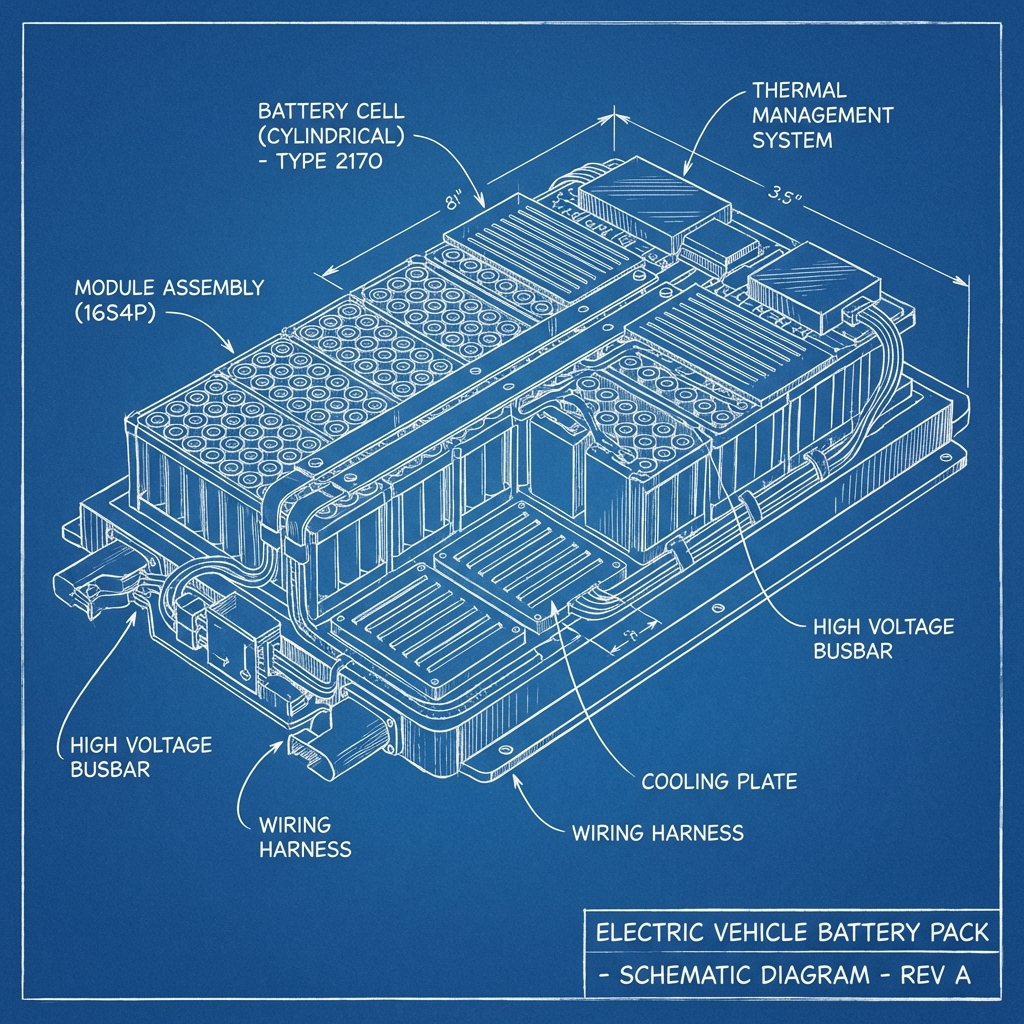
The Science of Battery Cell Module Repair in Las Vegas
Battery cell module repair for the Hyundai Kona Electric involves addressing individual cells within the 64 kWh battery pack that may fail due to imbalance or degradation. In Las Vegas, the extreme 104°F heat, especially during long drives on the Las Vegas Strip, can overstress these cells, causing uneven charge distribution. This leads to reduced range and potential power loss.
The repair process requires precise diagnostic tools to isolate defective cells without compromising the entire pack. Our technicians in Summerlin use Hyundai-specific software to recalibrate the Battery Management System (BMS), ensuring long-term reliability. Delaying this fix risks total failure, costing thousands.
Common Symptoms of Failure
Recognizing the signs of a failing battery cell module in your Hyundai Kona Electric can save you from a breakdown on I-15. Common issues include sudden drops in driving range and dashboard warning lights related to the battery system. You might also notice slower acceleration despite a full charge.
Here are key symptoms to watch for:
- A high-pitched whine or unusual noise from the battery pack area under the vehicle.
- Error messages on the dashboard displaying ‘Check EV System’ or similar alerts.
- Unexpected power loss while driving, especially in stop-and-go traffic near Henderson.
- Charging issues, where the vehicle fails to reach full capacity even after hours plugged in.
If you experience these, don’t wait—Las Vegas’s heat can worsen the problem fast. Schedule a diagnostic scan to avoid being stranded.
Diagnostic Steps: DIY vs Professional
Diagnosing a battery cell module issue in a Hyundai Kona Electric isn’t a typical DIY job due to the high-voltage risks. Attempting to check the system without proper tools can lead to serious injury, as noted by safety guidelines on NHTSA.gov. In Las Vegas, where heat adds complexity, professional help is essential.
Professionals use advanced scanners to read BMS error codes and test individual cell voltages. DIY efforts often miss subtle imbalances that only specialized equipment can detect. Save time and ensure safety by trusting a certified technician.
A local case study near Red Rock Canyon involved a Kona Electric driver who ignored warning lights, only to lose power on a steep climb. A professional diagnostic revealed a single defective cell module, which was replaced for far less than a full battery pack. Early intervention is key in our desert climate.
OEM vs Aftermarket Parts for Hyundai Kona Electric
When repairing a battery cell module, choosing between OEM (Original Equipment Manufacturer) and aftermarket parts is critical. OEM parts for the Hyundai Kona Electric are designed to match the exact specifications of your vehicle, ensuring compatibility with the BMS. They often come with a warranty, providing peace of mind.
Aftermarket parts may be cheaper but risk improper fit or performance issues, especially under Las Vegas’s harsh 104°F temperatures. A poorly matched module can cause further cell imbalance, leading to costly repairs. We recommend checking Hyundai’s official support at HyundaiUSA.com for approved parts.
In areas like Henderson, where long commutes are common, reliability matters. Stick with OEM components to maintain your EV’s efficiency and avoid frequent breakdowns.
Future Prevention Tips
Preventing battery cell module issues in your Hyundai Kona Electric starts with regular maintenance, especially in Las Vegas’s desert climate. Avoid letting your battery drop below 20% charge for extended periods, as deep discharges stress cells. Park in shaded areas or garages to minimize heat exposure.
Schedule annual battery health checks to catch early signs of degradation. Monitor your cooling system, as Las Vegas’s 210 sunny days can overwork it, leading to overheating risks. Small habits can extend your battery’s life significantly.
Finally, drive conservatively on highways like the 215 Beltway, avoiding rapid acceleration that strains the system. With proper care, you can reduce the likelihood of needing another EV battery module repair in the near future.