The Science of Inverter Assembly Failure in Las Vegas
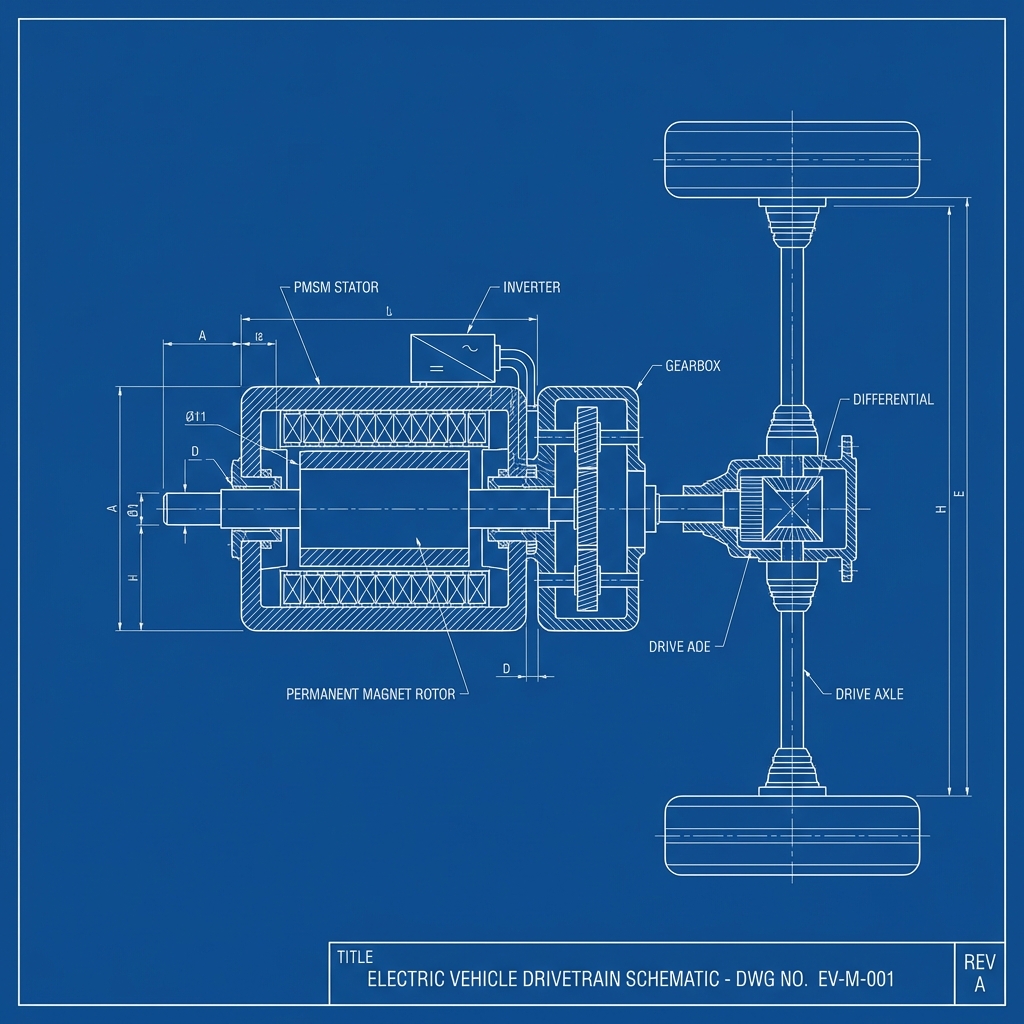
The inverter assembly in your Hyundai Kona Electric is the heart of its electric powertrain, converting DC battery power into AC to drive the motor. In Las Vegas’s extreme 104°F heat, this component faces constant thermal stress, especially during stop-and-go traffic on I-15 near the Strip. Over time, overheating can degrade internal circuits, leading to sudden failure.
Unlike gas vehicles, EVs rely heavily on cooling systems to protect electronics. With 210 sunny days per year, Las Vegas drivers must prioritize coolant checks to prevent an EV bricked inverter scenario. Ignoring this can mean a complete loss of power.
A local case study in Summerlin revealed a Kona Electric owner stranded after ignoring warning lights during a climb up to Red Rock Canyon. The extreme desert heat accelerated inverter damage, costing over $5,000 in repairs. This shows how local conditions amplify risks.
Common Symptoms of Failure
Recognizing inverter assembly failure early can save you from a major breakdown. Here are key signs to watch for in your Hyundai Kona Electric while navigating Las Vegas Boulevard or beyond:
- Reduced Acceleration: Your vehicle struggles to gain speed, even on flat roads.
- Dashboard Error Codes: Messages like 'Check EV System' appear, signaling a traction inverter issue.
- Unusual Noises: A high-pitched whine or clicking from under the hood may indicate internal damage.
- Power Loss: Sudden stalls or failure to start, often leaving you stranded.
These symptoms often worsen in Las Vegas’s heat, as thermal stress pushes components beyond their limits. Don’t ignore these signs—schedule a traction inverter repair immediately.
Diagnostic Steps: DIY vs Professional
Diagnosing inverter assembly failure starts with basic checks you can do at home in Henderson or elsewhere in Las Vegas. Look for dashboard warnings and listen for odd sounds, but avoid tampering with high-voltage systems due to safety risks.
Professional diagnostics using Hyundai’s Global Diagnostic System (GDS) are essential for pinpointing issues. A certified technician can read fault codes and inspect the inverter cooling system, critical in our desert climate.
DIY efforts save time initially, but mishandling can worsen damage, per NHTSA safety guidelines. For complex EV repairs, trust a Las Vegas specialist over risking a $5,000 mistake.
OEM vs Aftermarket Parts for Hyundai Kona Electric
When replacing an inverter assembly, choosing between OEM (original equipment manufacturer) and aftermarket parts is critical. OEM parts from Hyundai ensure compatibility with your Kona Electric’s traction inverter system, though they cost more—often $3,000–$5,000.
Aftermarket options may save upfront costs, but they risk poor performance or early failure, especially under Las Vegas’s harsh conditions. A failed aftermarket part could leave you stranded near Red Rock Canyon.
Experts recommend OEM for reliability, backed by warranty. Check Hyundai’s official support for certified parts and avoid long-term losses.
Future Prevention Tips
Preventing inverter assembly failure starts with regular maintenance tailored to Las Vegas’s desert heat. Check your cooling system fluid levels monthly, as low coolant can cause overheating during drives on I-15.
Avoid prolonged exposure to direct sun—park in shade or garages when possible in neighborhoods like Summerlin. This reduces thermal stress on your inverter assembly and related components.
Schedule annual EV system inspections with a certified technician to catch issues early. Consistent care prevents an EV bricked inverter and keeps your Hyundai Kona Electric running smoothly through Las Vegas’s toughest conditions.