The Science of Main Contactor and Pyrofuse Replacement in Las Vegas
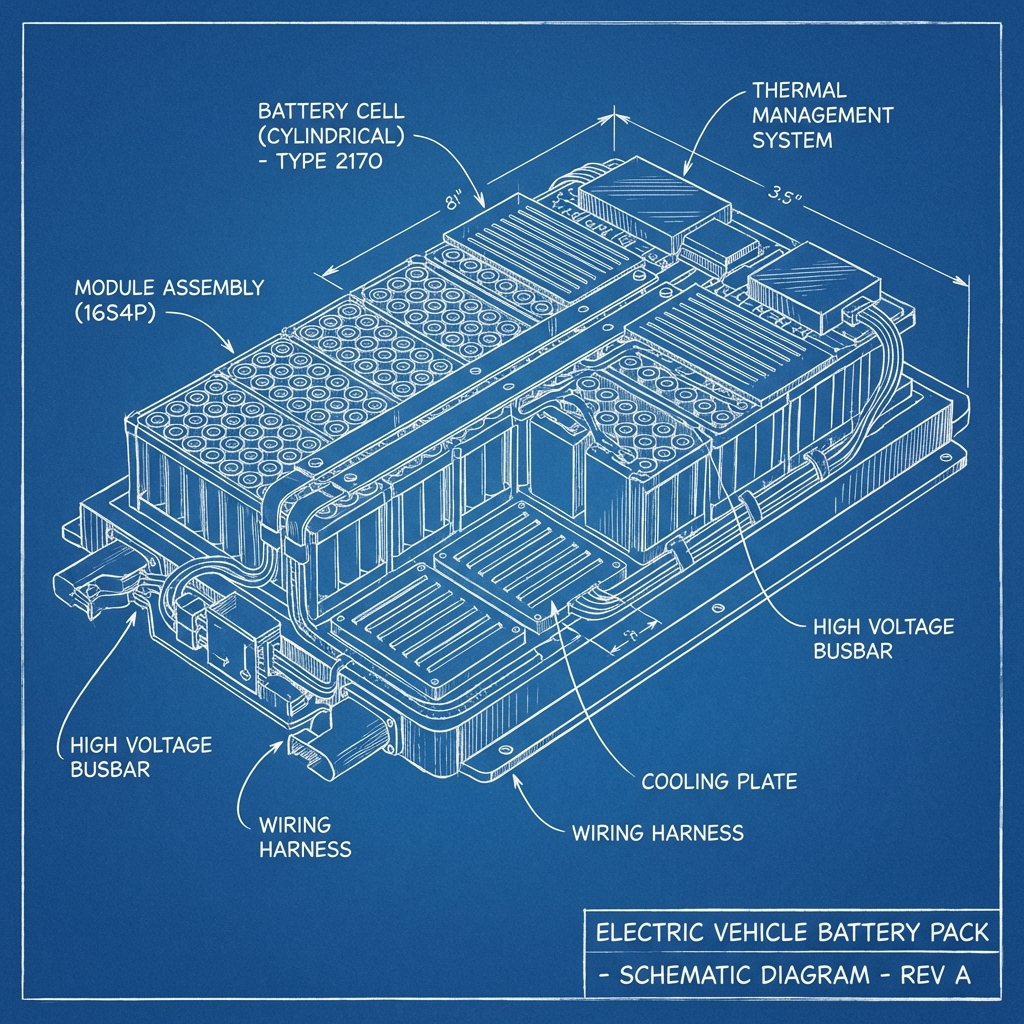
The main contactor in your Hyundai Kona Electric acts as a high-voltage switch, controlling power flow from the battery to the motor. When it fails, your EV won’t start, leaving you stranded—often in the worst places like the bustling Las Vegas Strip.
Similarly, the pyrofuse is a safety mechanism that cuts power during a fault or crash. In Las Vegas, where summer temps hit 104°F, heat can degrade these components faster, especially during stop-and-go traffic on I-15.
Replacing these parts isn’t just a fix; it’s a necessity in our desert climate. The extreme weather and 210 sunny days a year amplify wear on high-voltage systems, making timely repairs critical to avoid total shutdowns.
Common Symptoms of Failure
Noticing issues with your Hyundai Kona Electric? Here are key signs of main contactor or pyrofuse failure to watch for in Las Vegas:
- Your EV won’t start, even with a charged battery, often accompanied by a faint clicking sound near the battery pack.
- Intermittent power loss while driving, especially in heavy traffic areas like Henderson.
- Dashboard displays high-voltage system errors, signaling a potential contactor issue.
- Unusual humming or buzzing from under the vehicle, indicating pyrofuse or contactor stress.
These symptoms can worsen in our desert heat. Don’t ignore them—delaying can lead to bigger repair bills.
Diagnostic Steps: DIY vs Professional
Diagnosing high-voltage contactor failure in a Hyundai Kona Electric isn’t a backyard job. DIY attempts with a multimeter risk severe injury due to the 400-volt system.
Professionals use specialized diagnostic scanners to read error codes from the vehicle’s onboard computer. In Las Vegas, where heat impacts components, we also check for thermal degradation.
Save time and stay safe by trusting a certified tech. For more on high-voltage risks, refer to safety guidelines at nhtsa.gov.
OEM vs Aftermarket Parts for Hyundai Kona Electric
When replacing the main contactor or pyrofuse, choosing OEM parts (original equipment manufacturer) ensures compatibility with your Hyundai Kona Electric. They’re built to withstand Las Vegas’s extreme heat.
Aftermarket parts might save a few bucks upfront but often lack the durability needed for desert driving. A failed aftermarket pyrofuse could cost thousands in collateral damage.
We recommend sticking with OEM for reliability. Check Hyundai’s official support at hyundaiusa.com for part specifications.
Future Prevention Tips
Preventing main contactor and pyrofuse issues starts with regular maintenance, especially in Las Vegas. Schedule annual high-voltage system inspections to catch wear early.
Avoid frequent short trips in Summerlin’s stop-and-go traffic, as they stress the contactor with constant power cycling. Park in shaded areas to reduce heat exposure on your EV’s components.
Lastly, consider a local case study: A driver near Red Rock Canyon ignored startup issues, leading to a $4,500 battery repair after a contactor failure. Don’t let this happen—stay proactive with your Hyundai Kona Electric.