The Science of Wiring Harness Damage Repair in Las Vegas
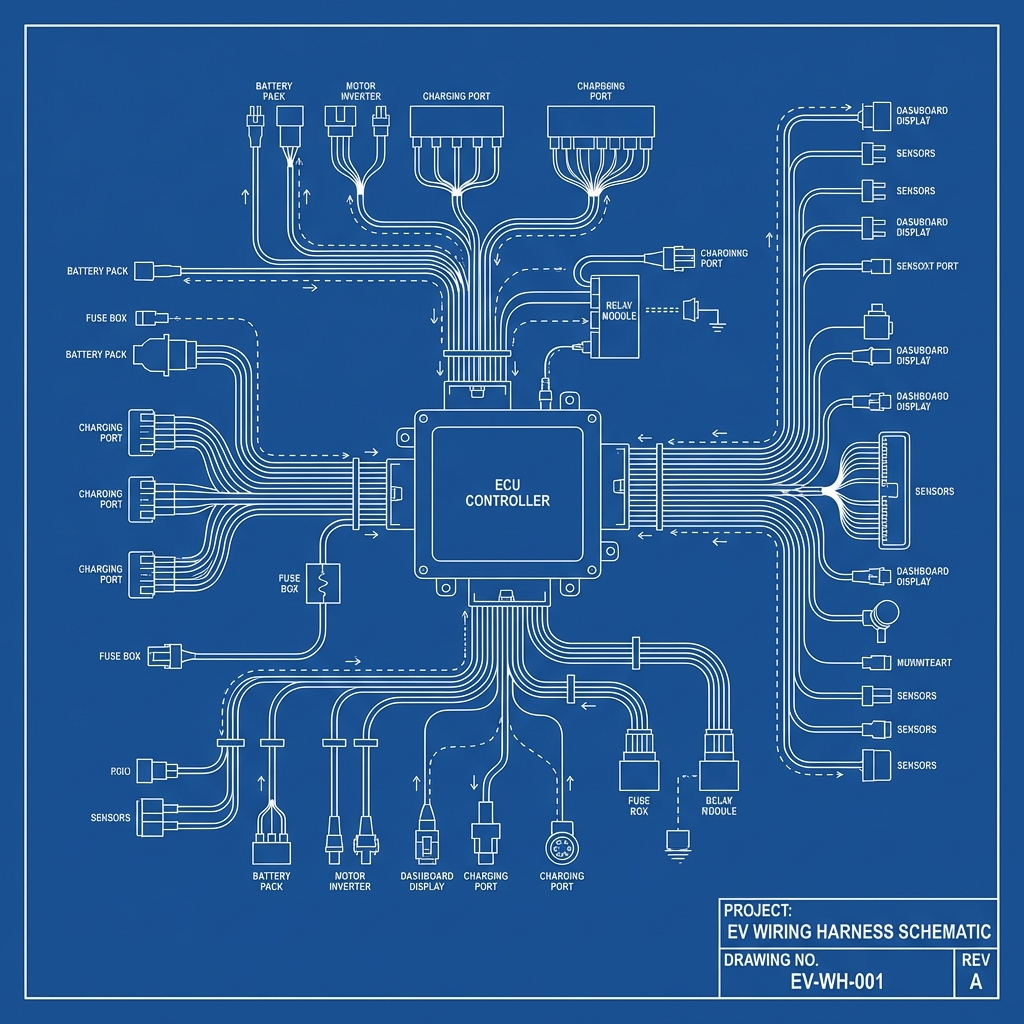
Wiring harness damage in a Hyundai Kona Electric isn’t just a minor inconvenience; it’s a critical issue that can disable your vehicle. The harness acts as the nervous system, connecting vital components like the onboard charger, which converts AC to DC for battery charging, and the dc-dc converter, which powers the 12-volt battery system for lights and electronics. In Las Vegas, with 104°F heat and 210 sunny days annually, UV exposure and thermal stress accelerate insulation breakdown.
Driving on I-15’s congested lanes near the Strip adds another layer of risk. Constant stop-and-go traffic creates heat buildup under the hood, stressing electrical connections. Protecting your wiring harness in this environment is non-negotiable to avoid costly failures.
Common Symptoms of Failure
Recognizing wiring harness damage early can save you thousands in repairs. Here are key symptoms to watch for in your Hyundai Kona Electric:
- Charging Issues: Slow or failed charging, often tied to onboard charger disruptions.
- Dashboard Errors: Warning lights or error messages about battery or electrical systems.
- Intermittent Power Loss: Flickering lights or sudden loss of accessory power from 12-volt battery issues.
- Unusual Sounds: Clicking or buzzing near the battery pack, indicating short circuits.
In Summerlin’s hot neighborhoods, these symptoms can worsen due to extreme temperatures. Don’t ignore these signs—act fast to prevent escalation.
Diagnostic Steps: DIY vs Professional
Diagnosing wiring harness damage in a Hyundai Kona Electric requires precision. A DIY approach might involve visually inspecting for rodent damage or using a basic multimeter to check continuity, but high-voltage systems pose risks. Without proper tools, you could miss hidden faults near the dc-dc converter.
Professional diagnostics, especially in Las Vegas near Henderson, use Hyundai-specific scanners to read error codes. Our technicians test high-voltage circuits safely, ensuring accurate identification of damaged wires. For safety, leave this to experts—check resources at NHTSA.gov for EV safety guidelines.
OEM vs Aftermarket Parts for Hyundai Kona Electric
When repairing wiring harness damage, choosing between OEM (original equipment manufacturer) and aftermarket parts is critical. OEM parts, sourced via HyundaiUSA.com, guarantee compatibility with your Kona Electric’s onboard charger and dc-dc converter. They’re pricier but ensure reliability.
Aftermarket parts might save money upfront but risk poor fitment, especially in Las Vegas’s extreme heat. Inferior insulation can fail faster, costing more in the long run. We recommend OEM for lasting repairs.
Future Prevention Tips
Preventing wiring harness damage starts with proactive care. Park in shaded areas or garages, especially near Red Rock Canyon, to shield your Kona Electric from Las Vegas’s brutal sun. Install rodent deterrents—chewed wires are a common issue in desert areas.
Regularly inspect under the hood for dust buildup, a frequent problem on I-15. Schedule annual electrical system checks to catch issues early. A local case study in Henderson showed a Kona Electric owner saved $2,000 by addressing minor rodent damage before it impacted the onboard charger—don’t wait for failure.