The Science of Battery Cell Module Repair in Las Vegas
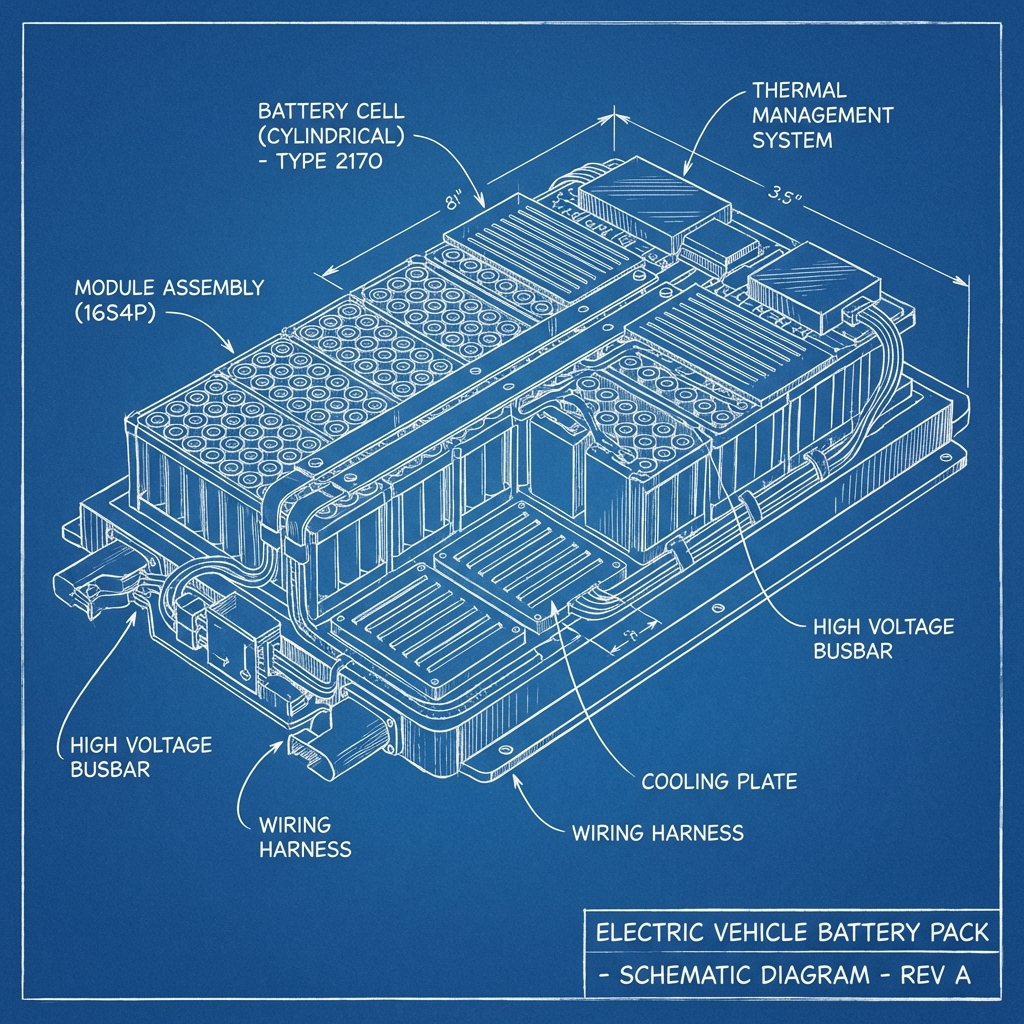
The Kia Niro EV relies on a sophisticated high-voltage battery pack, typically a 64 kWh unit, composed of multiple cell modules that store and deliver power. When a single module fails, it disrupts the entire system, slashing range and risking complete shutdowns. In Las Vegas’s extreme 104°F heat, these modules degrade faster due to thermal stress.
Repairing a defective cell involves isolating the faulty module without compromising the pack’s integrity. This requires precision tools and expertise, as mishandling high-voltage systems can be dangerous. Our team is trained to tackle these EV battery module repairs with safety as the priority, especially for drivers navigating the busy Las Vegas Strip.
Common Symptoms of Failure
Spotting a failing battery cell module early can save you thousands in repairs. Here are key signs to watch for in your Kia Niro EV, worsened by Las Vegas’s desert climate:
- Reduced Range: Your EV struggles to maintain distance, especially on long drives to Hoover Dam.
- Warning Lights: Dashboard alerts for battery or power system errors pop up unexpectedly.
- Strange Noises: Clicking or humming from the battery area during charging or driving.
- Slow Acceleration: Power lags, noticeable in stop-and-go traffic on I-15.
If you notice these, don’t wait—delaying can lead to full failure. Our defective cell replacement service addresses these issues fast.
Diagnostic Steps: DIY vs Professional
DIY diagnostics for a Kia Niro EV battery issue are risky due to high-voltage systems. You might use a basic OBD-II scanner to check for codes, but interpreting Battery Management System (BMS) errors requires specialized software. In Las Vegas’s heat, a misstep could worsen damage.
Professional diagnostics, on the other hand, involve advanced tools to test individual cell voltages and thermal performance. We recommend this route, as mishandling can lead to safety hazards—check NHTSA guidelines for EV battery risks. Our local Las Vegas shop offers precise diagnostics tailored to desert conditions.
OEM vs Aftermarket Parts for Kia Niro EV
Choosing between OEM (Original Equipment Manufacturer) and aftermarket parts for EV battery module repair is critical. OEM parts, sourced directly from Kia, ensure compatibility with the Niro EV’s 64 kWh battery but come at a premium. They’re ideal for maintaining warranty coverage.
Aftermarket options might save money upfront but risk inconsistent performance, especially under Las Vegas’s punishing 210 sunny days. We generally advise OEM for reliability on drives through Summerlin’s hilly terrain. Our team can guide you based on your budget and driving habits.
Future Prevention Tips
Preventing battery cell module issues starts with proper care. Avoid frequent fast-charging, as it stresses cells, especially in Las Vegas’s extreme heat. Park in shaded areas when possible to reduce thermal load.
Schedule regular battery health checks, particularly before long trips to places like Red Rock Canyon. Monitor coolant levels in the thermal management system, as low levels can lead to overheating. Our local case study of a Henderson driver shows how neglecting coolant checks during a 104°F summer led to a $2,000 module failure on I-15—don’t let this happen to you.
Lastly, keep software updates current via Kia’s official portal at Kia Support. Updates often optimize Battery Management System performance, extending module life in harsh climates. Trust our Las Vegas team to keep your Kia Niro EV running smoothly year-round.