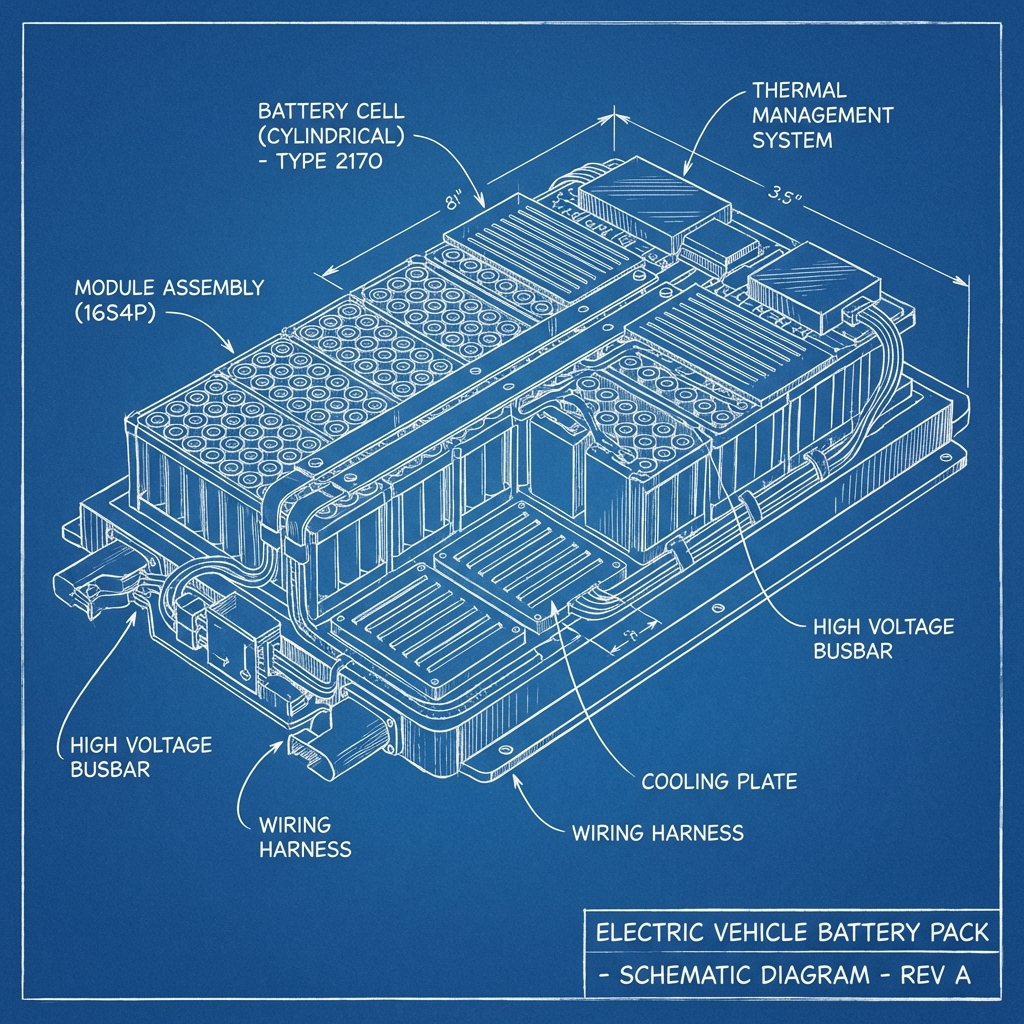
The Science of Battery Cell Module Repair in Las Vegas
Battery cell module repair for the Kia Soul EV is a complex process that addresses individual defective cells within the high-voltage battery pack. In Las Vegas’s extreme 104°F heat, these cells degrade faster due to thermal stress, especially during long drives on the I-15 corridor. This heat accelerates chemical breakdown, reducing your EV’s range.
Each module contains multiple cells that store and release energy to power your vehicle. When one cell fails, it creates an imbalance, forcing the Battery Management System (BMS) to limit performance. Our technicians isolate and replace these defective cells to restore full capacity.
Las Vegas drivers, especially in neighborhoods like Summerlin, often face unique challenges with EV batteries due to daily commutes in scorching conditions. Ignoring a failing module risks complete battery failure, costing thousands. Early intervention is key to avoiding these expenses.
Common Symptoms of Failure
Recognizing the signs of a failing battery cell module can save you from being stranded near iconic spots like the Las Vegas Strip. Here are the most common symptoms:
- Reduced Driving Range: Your Kia Soul EV can’t travel as far on a single charge, often dropping below expected mileage.
- Warning Lights: Dashboard alerts for battery or powertrain issues illuminate, signaling a problem with the high-voltage system.
- Unusual Noises: A faint humming or clicking sound from the battery pack area during charging or driving may indicate cell imbalance.
- Slow Charging: The onboard charger takes longer to replenish the battery, hinting at internal module issues.
If you’re noticing these issues while navigating Henderson’s busy streets, don’t delay a diagnostic. Early detection prevents further damage to your EV’s systems.
Diagnostic Steps: DIY vs Professional
Diagnosing a battery cell module issue in your Kia Soul EV requires specialized tools and expertise, especially in Las Vegas’s desert climate. DIY attempts using generic code readers won’t access the deep-level data of the Battery Management System. You risk misdiagnosis and further damage.
Professional diagnostics, on the other hand, involve advanced scanners to read specific error codes from the high-voltage battery pack. Our Las Vegas technicians also perform voltage tests on individual cells. This precision ensures accurate repairs.
While DIY may seem cost-effective, the risk of handling high-voltage systems without training is significant. The National Highway Traffic Safety Administration (nhtsa.gov) warns of severe injury from improper EV battery handling. Trust professionals for safety and reliability.
OEM vs Aftermarket Parts for Kia Soul EV
When repairing a battery cell module, choosing between OEM (Original Equipment Manufacturer) and aftermarket parts is critical for Las Vegas drivers. OEM parts are designed by Kia to match the Soul EV’s exact specifications, ensuring seamless integration with the Battery Management System. They often come with warranties for added peace of mind.
Aftermarket parts may be cheaper upfront, but their quality varies, risking compatibility issues with your onboard charger or dc-dc converter. In Las Vegas’s harsh heat, substandard parts fail faster. We recommend OEM for long-term reliability.
A local case study in North Las Vegas illustrates this: a Kia Soul EV owner opted for aftermarket modules, only to face repeated failures within six months while commuting on the I-15. Switching to OEM parts finally resolved the issue, saving further repair costs.
Future Prevention Tips
Preventing battery cell module issues in your Kia Soul EV starts with adapting to Las Vegas’s unique conditions. Park in shaded areas or garages, especially during the 104°F summer days, to minimize heat exposure. Overheating is a leading cause of cell degradation.
Regularly monitor your EV’s range and charging times, as sudden changes often signal early issues with the high-voltage battery. Schedule annual inspections with a certified technician to catch problems before they escalate. This is crucial for drivers near the Strip facing constant stop-and-go traffic.
Lastly, avoid frequent fast charging unless necessary, as it stresses the battery cells. For more guidance, refer to Kia’s official support resources (kia.com). Protect your investment with these proactive steps tailored to Nevada’s climate.