The Science of High Voltage Cable Corrosion in Las Vegas
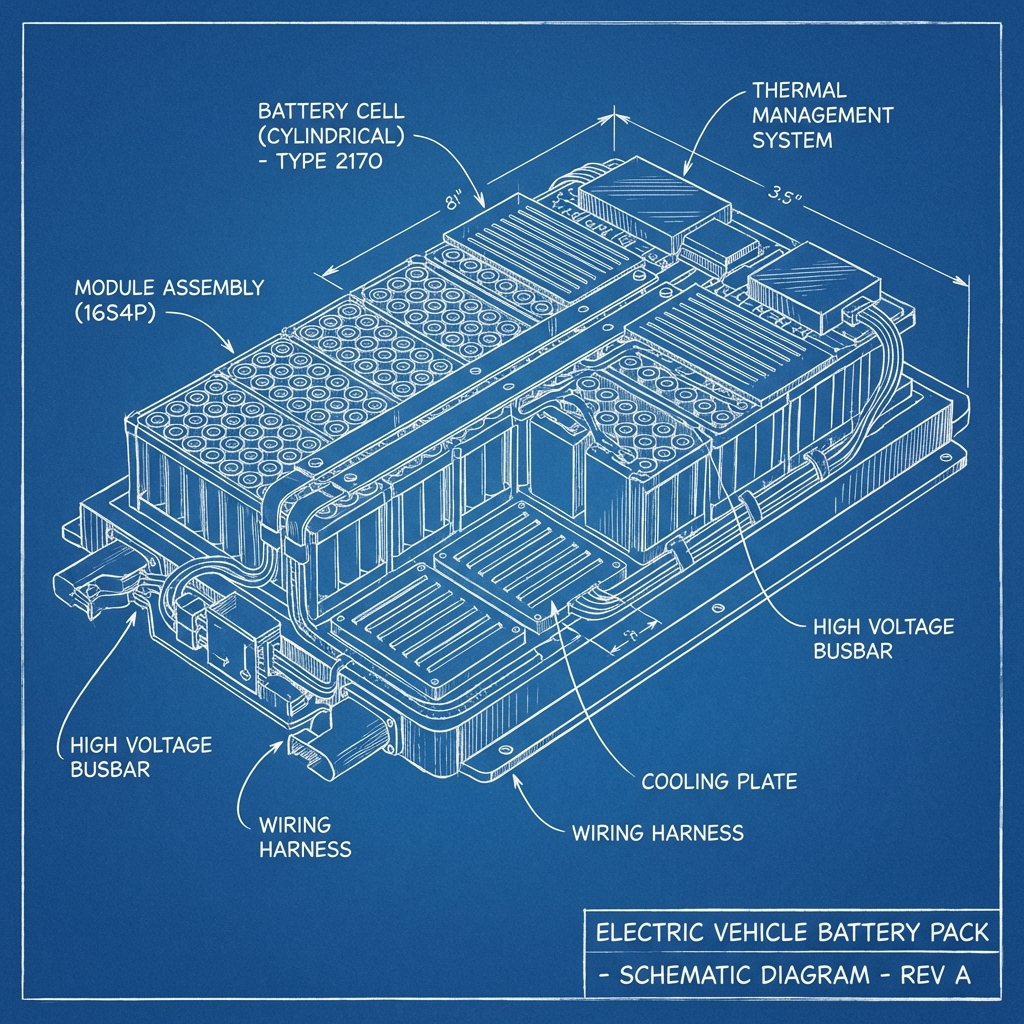
High voltage cable corrosion in a Kia Soul EV isn’t just a minor issue; it’s a silent destroyer of critical electrical systems. In Las Vegas’s extreme 104°F heat, with over 210 sunny days annually, moisture and dust from areas like the I-15 corridor accelerate the breakdown of cable insulation. This exposes copper wiring to oxidation, often showing as an orange HV cable corrosion layer.
Why does this matter? Corroded cables disrupt power flow to components like the onboard charger, which converts AC power from charging stations to DC for your battery. When this fails, you’re looking at repair costs in the thousands.
Local drivers in neighborhoods like Summerlin often report faster wear due to the intense desert sun reflecting off pavement, baking undercarriage components. Combine this with stop-and-go traffic on the Strip, and your EV’s cables face constant thermal stress. It’s a recipe for disaster if ignored.
Common Symptoms of Failure
Spotting high voltage cable corrosion early can save you from a breakdown on a Las Vegas highway. Here are key symptoms of corroded EV cables to watch for:
- Charging Issues: Your Kia Soul EV struggles to charge, or charging stops intermittently, indicating onboard charger failure.
- Warning Lights: Dashboard errors like “Check EV System” pop up, often tied to power delivery problems.
- Strange Noises: A faint buzzing or crackling near the battery pack could signal arcing from damaged cables.
- Power Loss: Reduced acceleration or sudden shutdowns, especially in Henderson’s hilly areas, point to cable issues.
These symptoms often worsen in Las Vegas’s desert climate, where heat and dust infiltrate undercarriage components. Don’t wait for a complete failure—act at the first sign.
Diagnostic Steps: DIY vs Professional
Diagnosing high voltage cable corrosion in a Kia Soul EV requires caution due to the risk of electrical shock. For DIY enthusiasts in Las Vegas, start with a visual inspection for orange corrosion on cable connectors under the battery pack. But stop there—handling high voltage systems without training is dangerous.
Professionals use specialized tools like multimeters to test the dc-dc converter output, which charges your 12V battery, ensuring no voltage drops occur. In Las Vegas, with labor rates at $140–$180 per hour, a diagnostic session might cost $200 but saves thousands in misdiagnosed repairs.
Given the safety risks, we recommend professional help, especially since local heat can hide subtle damage. Check resources like NHTSA.gov for safety guidelines before attempting any EV work.
OEM vs Aftermarket Parts for Kia Soul EV
When replacing corroded high voltage cables, choosing between OEM (original equipment manufacturer) and aftermarket parts is critical. OEM Kia parts are designed specifically for the Soul EV, ensuring compatibility with the onboard charger and dc-dc converter. They often come with warranties but at a higher cost, around $800–$1,200 per cable set.
Aftermarket options might save you 30–40% upfront, but they risk poor fitment and faster wear in Las Vegas’s harsh conditions. A local case study in Spring Valley showed a driver replacing cables with aftermarket parts only to face failure within 18 months during a climb near Red Rock Canyon.
Stick with OEM for longevity, especially since Kia’s support at Kia.com can guide you to certified parts. It’s a smarter investment for desert driving.
Future Prevention Tips
Preventing high voltage cable corrosion starts with proactive care tailored to Las Vegas’s desert environment. Regularly inspect cable connectors for dust buildup, especially after drives through dusty areas near Red Rock Canyon. Use dielectric grease to seal connections, blocking out moisture and debris.
Schedule annual battery cooling system checks to ensure coolant levels are adequate—overheating in 104°F heat accelerates corrosion. Park in shaded areas when possible, as constant sun exposure on the Strip worsens cable degradation.
Finally, consider a professional EV tune-up every 12 months, costing around $300 at local $140–$180 hourly rates. This small expense prevents costly onboard charger failure or dc-dc converter issues down the line, keeping your Kia Soul EV road-ready in Nevada’s toughest conditions.