The Science of PTC Heater Failure in Las Vegas
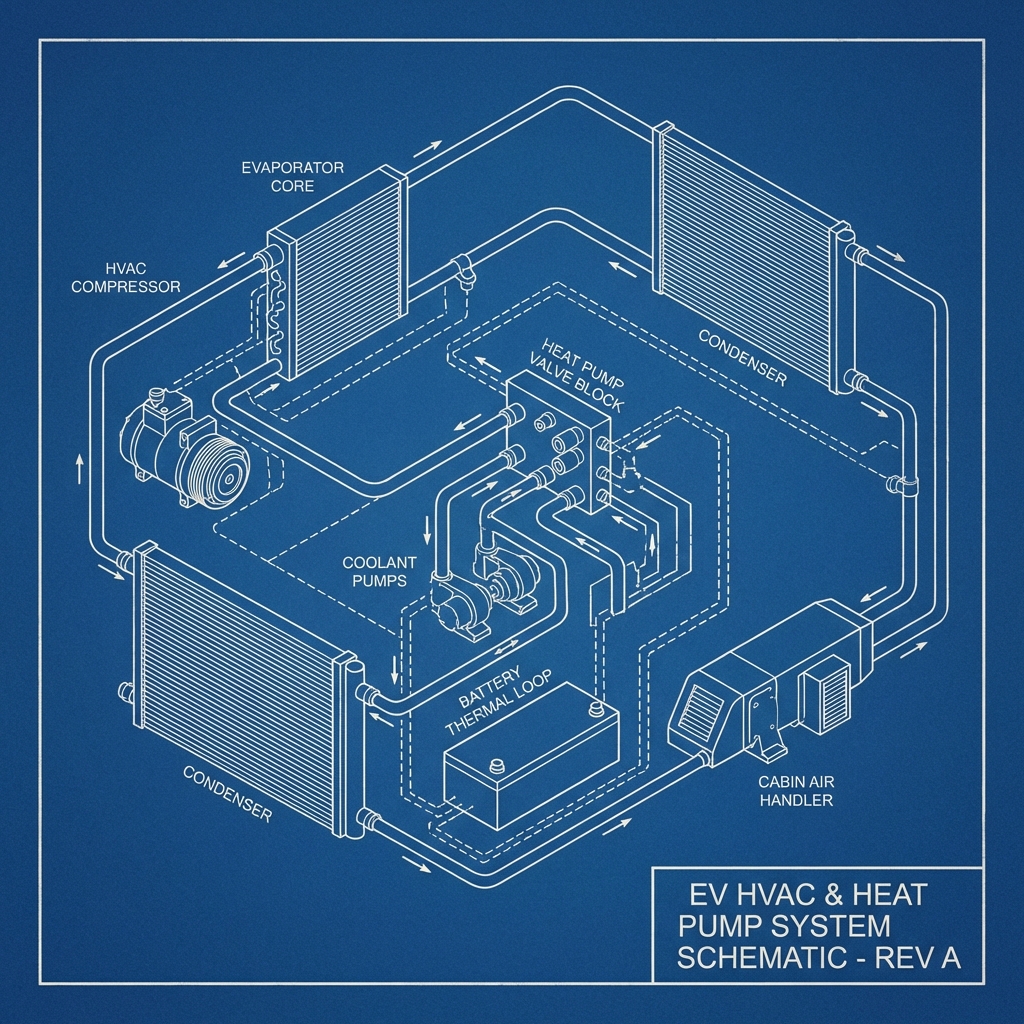
The PTC (Positive Temperature Coefficient) heater in your Nissan Ariya is a critical component for maintaining cabin comfort in an electric vehicle. Unlike traditional cars, EVs rely on electric heaters like the PTC to warm the interior without an engine’s waste heat. In Las Vegas’s extreme 104°F summers, the system faces constant strain balancing cooling and heating demands, often leading to premature failure.
This failure isn’t just a comfort issue—it impacts your vehicle’s energy efficiency. A malfunctioning PTC heater can draw excessive power from the high-voltage battery, reducing your range on drives along the 215 Beltway. Las Vegas’s unique climate, with drastic temperature swings from day to night, accelerates wear on electrical components like the onboard charger that supports the heater.
Common Symptoms of Failure
Recognizing PTC heater failure early can save you from costly repairs. Here are key signs to watch for in your Nissan Ariya while driving through Summerlin or beyond:
- No heat in the cabin despite adjusting climate controls, even on cooler Las Vegas nights.
- Unusual humming or clicking noises from the front of the vehicle when the heater is activated.
- Dashboard error messages related to the HVAC system or thermal management.
- Reduced range as the system overcompensates for heating inefficiencies.
If you notice these symptoms while navigating I-15 traffic, don’t delay—get a professional diagnostic. Ignoring these can strain related systems like the dc-dc converter, which powers the 12v battery for essential functions.
Diagnostic Steps: DIY vs Professional
Diagnosing PTC heater failure in a Nissan Ariya requires specialized tools and knowledge. While a basic OBD-II scanner might reveal error codes, interpreting them for an EV’s complex thermal system is challenging without training. DIY attempts in Las Vegas’s intense heat can also risk further damage due to improper handling of high-voltage components.
Professional diagnostics, on the other hand, use manufacturer-specific software to pinpoint issues in the PTC heater module. At our Las Vegas shop, we combine this with a physical inspection, critical in a desert environment where dust and heat can mask underlying problems. For safety, always consult a certified technician—high-voltage systems are dangerous without proper gear.
OEM vs Aftermarket Parts for Nissan Ariya
When replacing a faulty PTC heater, choosing between OEM (Original Equipment Manufacturer) and aftermarket parts is crucial. OEM parts, designed specifically for the Nissan Ariya, ensure compatibility with the vehicle’s thermal management software and high-voltage battery system. They’re pricier but worth it for reliability on long drives to Red Rock Canyon.
Aftermarket options might save you upfront costs, but they often lack the precise engineering for EVs, risking reduced efficiency or even safety issues. Given Las Vegas’s demanding driving conditions, we recommend OEM parts to avoid repeat failures. Check safety recalls on platforms like NHTSA.gov for any related Ariya issues before deciding.
Future Prevention Tips
Preventing PTC heater failure starts with regular maintenance tailored to Las Vegas’s harsh environment. Schedule annual inspections of your Nissan Ariya’s HVAC and electrical systems to catch early wear, especially if you frequently drive near the dusty outskirts of Henderson. Heat and debris can silently degrade components over time.
Also, avoid overworking the climate control system during peak summer heat—use pre-conditioning while plugged in to reduce strain on the PTC heater. Monitor your vehicle’s software updates via Nissan’s official support at NissanUSA.com for fixes to thermal management bugs. Finally, park in shaded areas when possible to minimize thermal stress on your EV.
As a local case study, consider a Las Vegas driver in Summerlin who ignored early PTC heater symptoms during a scorching July. After weeks of driving on I-15 with no cabin heat regulation, their Ariya’s battery efficiency dropped 15%, costing hundreds in extra charging fees. A timely repair could have saved them significant financial loss and range degradation.