The Science of Main Contactor and Pyrofuse Replacement in Las Vegas
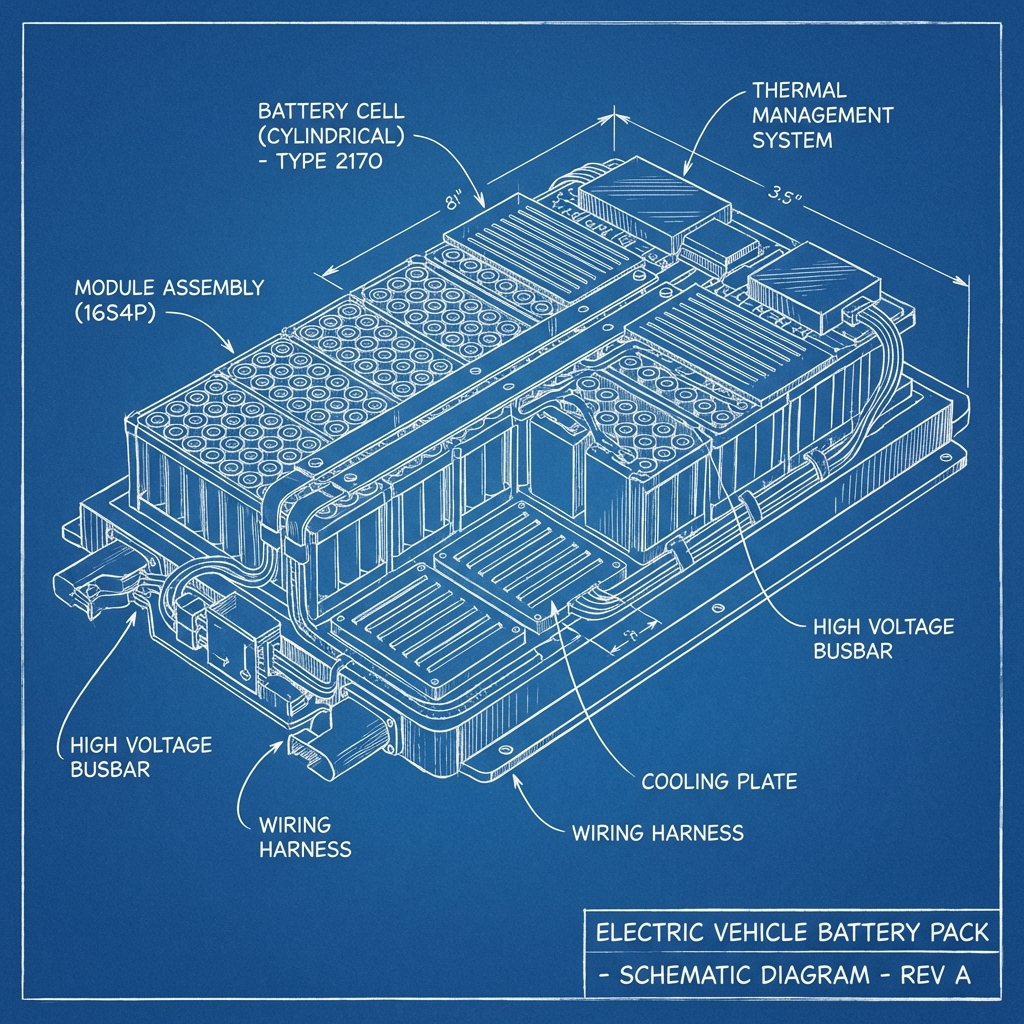
The main contactor in your Nissan Ariya acts as a high-voltage switch, controlling power flow from the battery to the electric motor. When it fails, your EV won’t start, leaving you stuck—potentially in the middle of I-15 traffic during Las Vegas’s notorious rush hours.
Similarly, the pyrofuse is a safety device that cuts off high-voltage power during a collision or electrical fault. In Las Vegas’s 104°F heat, thermal stress can degrade these components faster, especially if you’re driving through dusty areas like Henderson.
Replacing these parts requires precision and expertise, as mishandling high-voltage systems can be dangerous. Our team understands how local desert conditions accelerate wear, ensuring your Ariya gets the right care.
Common Symptoms of Failure
Noticing issues with your Nissan Ariya? A failing main contactor or pyrofuse often shows clear warning signs.
- Your EV won’t start, even with a charged battery, often accompanied by a clicking sound near the battery pack.
- Intermittent power loss while driving, especially in stop-and-go traffic on the Strip.
- Dashboard errors related to high-voltage system faults, sometimes displaying a battery or warning light.
- Unusual electrical humming or buzzing from under the vehicle during startup.
These symptoms can worsen in Las Vegas’s extreme climate, so don’t ignore them. Early diagnosis can save you from costly repairs.
Diagnostic Steps: DIY vs Professional
Diagnosing a main contactor failure or pyrofuse issue isn’t a simple DIY task. High-voltage systems in the Nissan Ariya pose serious safety risks if mishandled—risks amplified by Las Vegas’s dry, hot conditions.
At home, you might check for dashboard error codes with a basic OBD-II scanner, but interpreting high-voltage faults requires specialized tools. Attempting repairs without proper training could lead to injury or further damage.
Professional diagnostics, on the other hand, use manufacturer-grade equipment to pinpoint issues in the Ariya’s battery management system. Our Las Vegas shop offers precise testing to ensure safety and accuracy.
OEM vs Aftermarket Parts for Nissan Ariya
When replacing a main contactor or pyrofuse, choosing between OEM (original equipment manufacturer) and aftermarket parts is critical. OEM parts, sourced directly from Nissan, guarantee compatibility with your Ariya’s high-voltage architecture.
Aftermarket options may be cheaper, but they often lack the durability needed for Las Vegas’s harsh climate. A subpar part could fail prematurely, especially on long drives near Red Rock Canyon.
We recommend OEM components for reliability, backed by Nissan’s warranty. For safety concerns, refer to guidelines on NHTSA.gov regarding EV high-voltage systems.
Future Prevention Tips
Preventing main contactor and pyrofuse issues starts with regular maintenance tailored to Las Vegas driving. Schedule annual inspections of your Ariya’s high-voltage system to catch wear early.
Avoid prolonged exposure to extreme heat by parking in shaded areas or garages, especially in neighborhoods like Summerlin where summer temps soar. Heat accelerates electrical component degradation.
Lastly, monitor your 12v battery health, as it supports auxiliary systems tied to high-voltage operations. A weak 12v battery can strain related components, leading to failures.
As a local case study, consider a Las Vegas driver near Downtown who ignored dashboard warnings during frequent short trips on US-95. Their Ariya’s main contactor failed mid-commute, costing over $3,000 in emergency repairs—a preventable expense with routine checks. For more on EV safety, visit Nissan Support.