The Science of Wiring Harness Damage Repair in Las Vegas
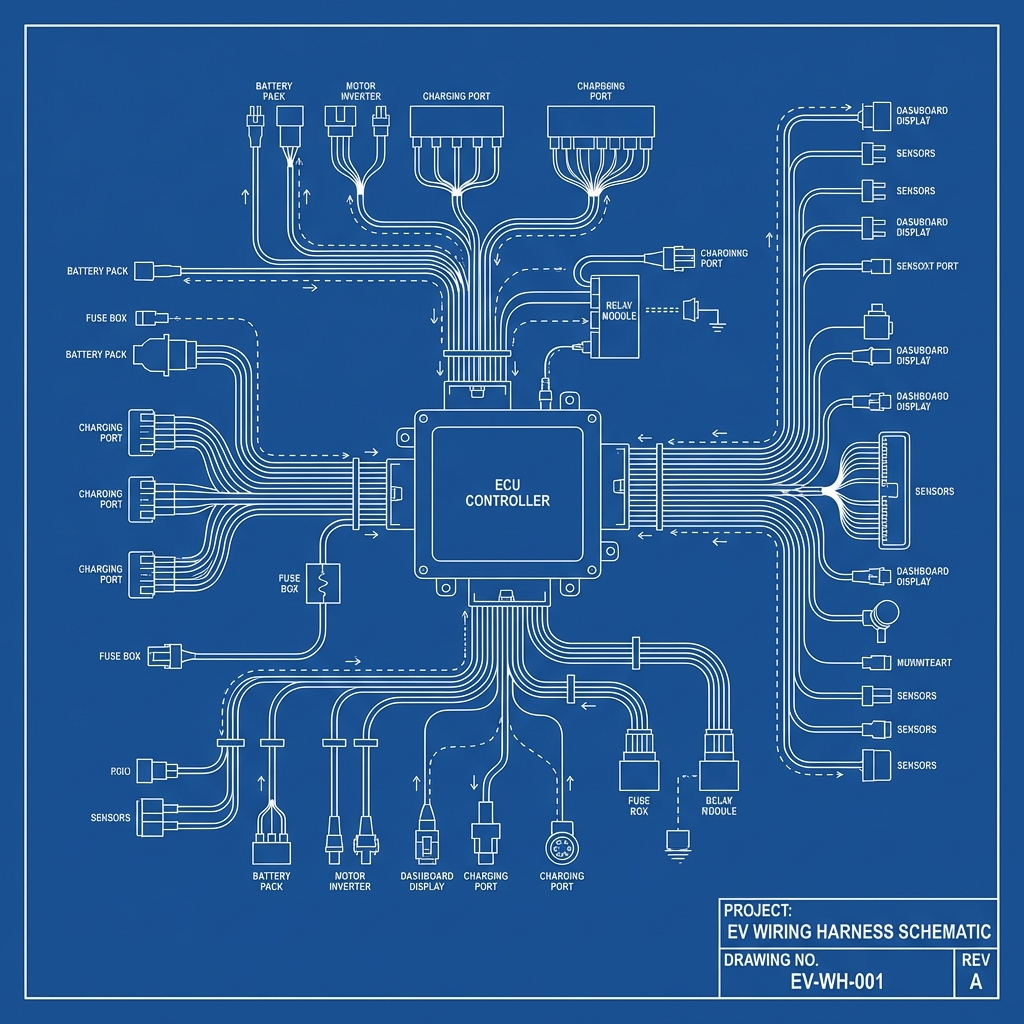
The wiring harness in your Nissan Leaf is the backbone of its electrical system, connecting vital components like the onboard charger and dc-dc converter. These parts manage how power flows from the high-voltage battery to the motor and convert energy for the 12V battery that runs accessories. Damage to this harness—often from rodent chewing or heat stress—can disrupt everything.
In Las Vegas, with 104°F temperatures and 210 sunny days annually, the desert climate accelerates wear on insulation, making wires brittle. Driving on busy corridors like the I-15 with constant braking adds vibration stress. If ignored, small cracks can lead to short circuits.
A local case study from Summerlin shows a Nissan Leaf owner noticing power loss after rodents nested under the hood during a hot summer. Repair costs hit $2,200 due to delayed action. Early detection could have saved thousands.
Common Symptoms of Failure
Wiring harness damage in a Nissan Leaf often shows clear warning signs. Ignoring these can lead to bigger electrical failures. Watch for these issues:
- Warning Lights: Dashboard alerts for battery or charging system errors.
- Power Loss: Reduced acceleration or intermittent motor response.
- Strange Sounds: Clicking or buzzing near the onboard charger under the hood.
- Accessory Failures: Headlights dimming or locks malfunctioning due to 12V battery issues.
Las Vegas drivers, especially near Henderson, often report these issues after parking in open lots where rodents are common. Heat from the Strip’s asphalt can worsen electrical stress. Act fast if you notice symptoms.
Diagnostic Steps: DIY vs Professional
Diagnosing wiring harness damage starts with a visual check for chewed wires or burnt insulation. DIY enthusiasts can use a multimeter to test continuity, but Nissan Leaf’s high-voltage systems pose risks. Mishandling can cause shocks or further damage.
Professionals use tools like the Consult III Plus to read specific error codes from the onboard charger or dc-dc converter. In Las Vegas, with extreme desert heat, pros also check for heat-related degradation. DIY might miss these nuances.
Safety is critical—high-voltage components are dangerous without training. The NHTSA warns of electrical risks in EVs (nhtsa.gov). Leave complex diagnostics to certified techs.
OEM vs Aftermarket Parts for Nissan Leaf
When repairing a wiring harness, choosing between OEM (Original Equipment Manufacturer) and aftermarket parts is key. OEM parts, sourced from Nissan, ensure compatibility with your Leaf’s traction battery and onboard systems. They’re pricier but reliable.
Aftermarket options may save on upfront costs, but poor quality can lead to failures in the dc-dc converter or 12V system. In Las Vegas’s extreme heat, subpar materials degrade faster. We recommend OEM for longevity.
Check Nissan’s official support for warranty details on OEM repairs (nissanusa.com). For drivers near Red Rock Canyon, durability matters on rugged routes. Invest in quality to avoid repeat issues.
Future Prevention Tips
Preventing wiring harness damage starts with regular inspections, especially if you park outdoors in Las Vegas neighborhoods like Henderson. Rodents thrive in desert areas, so check for nesting signs. Small deterrents can save big costs.
Use protective shielding around exposed wires to guard against heat and pests. Las Vegas’s 104°F summers demand heat-resistant materials. Ask your tech about custom solutions.
Avoid parking near trash or brush along the I-15 corridors where rodents congregate. Schedule annual electrical checks to catch issues early. Proactive care keeps your Nissan Leaf running smoothly in Nevada’s tough conditions.